

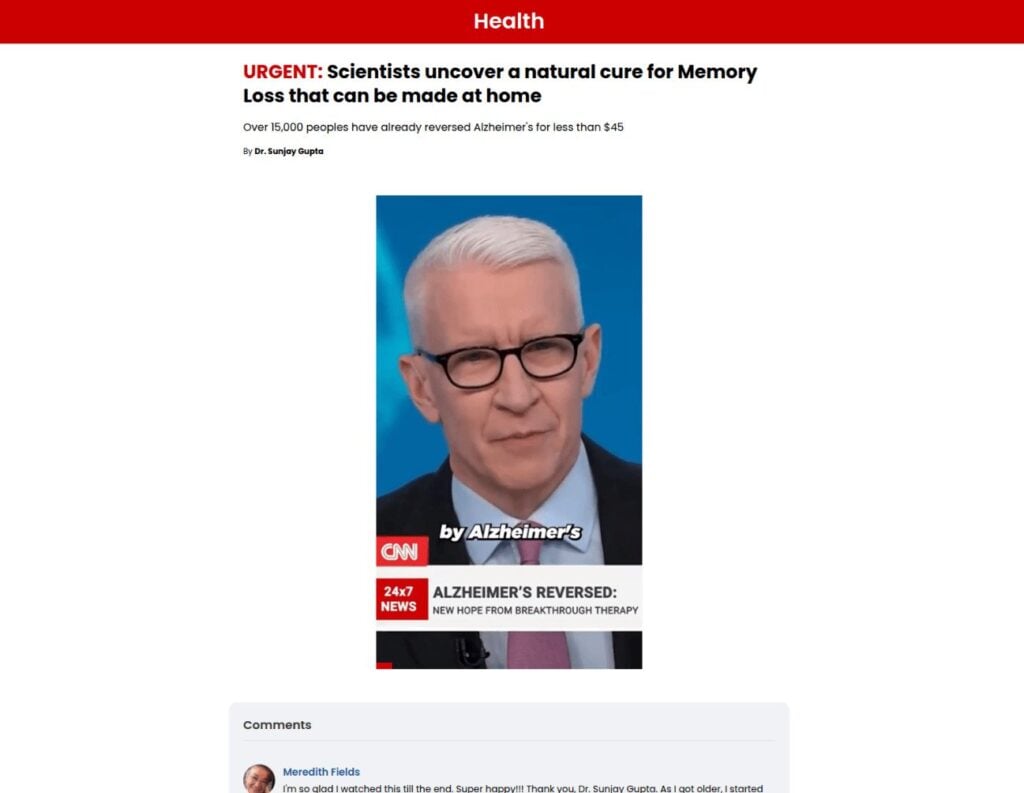
You’ve probably seen those viral ads claiming that a simple honey recipe can reverse Alzheimer’s disease or restore memory in just a few weeks. They look convincing. Some even show fake CNN clips featuring Anderson Cooper or Dr. Sanjay Gupta discussing “breakthrough therapy.” These ads promise that a rare Himalayan honey mixed with a plant called Bacopa monnieri can flush out toxins, rebuild memory, and reverse dementia.
But is there any truth to these claims? Or is the so-called “honey trick” just another scam designed to exploit hope and fear? Let’s take a closer look.
Scam Overview
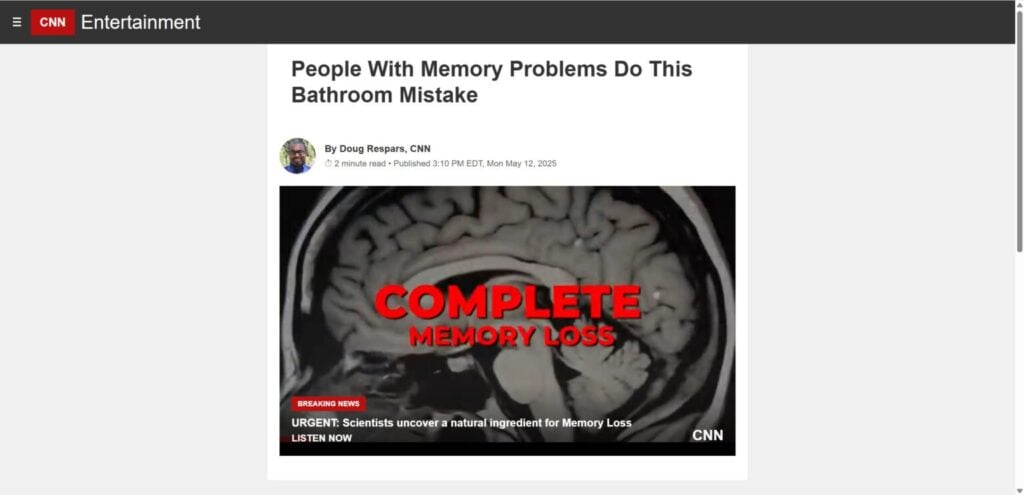
The honey trick recipe scam is a sophisticated marketing ploy designed to look like a legitimate medical breakthrough. These ads often appear on Facebook, YouTube, or sketchy health websites. They mimic professional news reports, complete with CNN logos, dramatic headlines, and clips of well-known journalists.
The central claim is that doctors and scientists have discovered a “natural cure” for Alzheimer’s hidden in the Himalayas. According to the story, a type of honey called “Himalayan cider honey” has unique healing powers because bees that make it feed on rare flowers. Supposedly, this honey, when combined with Bacopa monnieri (also called the Ganesha plant), can:
- Flush out “brain toxins” like cadmium chloride.
- Boost acetylcholine, a neurotransmitter tied to memory.
- Reverse dementia and Alzheimer’s in weeks.
The ads build emotional appeal with stories of patients suddenly regaining memory after just a spoonful of this honey recipe. They even claim that Big Pharma tried to bury the formula by offering millions to buy the rights.
Red flags become obvious once you dig deeper:
- Fake Endorsements – The scam uses AI voiceovers and doctored videos of doctors like Dr. Sanjay Gupta or celebrities like Bruce Willis. None of these figures have endorsed the product.
- Conspiracy Theories – They often claim “pharmaceutical companies are hiding the cure” to sell expensive drugs. This tactic plays on distrust of the medical industry.
- Exaggerated Success Rates – The ads boast success rates of 97% or more, suggesting that tens of thousands of people have fully reversed Alzheimer’s. These numbers are fabricated.
- Emotional Manipulation – They tell heart-wrenching stories about family members with dementia who miraculously recover after using the honey recipe.
- Bait-and-Switch – Instead of revealing a “recipe,” the ads funnel viewers to purchase supplements with changing names like Memo Master, Mind Guard, or Memo Clarity.
What’s missing in all of this? Scientific evidence.
No peer-reviewed research supports the claim that honey or Bacopa monnieri can cure Alzheimer’s. While Bacopa has been studied for its potential cognitive benefits, its effects are mild, not curative. And honey, while nutritious, has no properties that reverse neurodegenerative diseases.
This scam thrives because it preys on people desperate for solutions. Families facing memory loss are often willing to try anything, making them vulnerable to miracle-cure marketing.
How the Scam Works
The honey trick recipe scam follows a predictable formula. Here’s how it usually unfolds:
Step 1: Attention-Grabbing Ads
It starts with clickbait-style headlines and videos like:
- “CNN reports Alzheimer’s reversed with honey recipe”
- “Doctors stunned: Honey from the Himalayas restores memory in weeks”
- “Big Pharma is hiding this natural cure”
These ads are often formatted as urgent news alerts, giving the impression that the information is breaking and time-sensitive.
Step 2: Fake Authority Figures
The scam borrows credibility from respected media outlets and doctors. They use:
- Clips of Anderson Cooper speaking on unrelated topics, edited to look like he’s endorsing the honey trick.
- AI-generated voiceovers mimicking Dr. Sanjay Gupta.
- Claims that celebrities like Bruce Willis used the recipe to reverse dementia.
By associating with trusted figures, they bypass skepticism and gain unearned credibility.
Step 3: Emotional Storytelling
The ads weave emotional stories, such as:
- A father on the brink of losing his memory regains clarity after a few spoonfuls of honey.
- Families tearfully celebrating miraculous recoveries.
This technique hooks viewers emotionally before logic has a chance to kick in.
Step 4: The Delay Tactic
Instead of revealing the “recipe” quickly, the video drags on for 20–40 minutes. The narrator repeatedly promises, “I’ll share the recipe in just a minute,” while stalling with more emotional stories and conspiracies.
This delay tactic serves two purposes:
- It keeps viewers watching longer, increasing the chance they’ll buy.
- It wears down skepticism by building suspense.
Step 5: The Reveal – But Not Really
When the recipe is finally “revealed,” it’s vague. The narrator mentions honey and Bacopa monnieri but then pivots to say it’s hard to prepare correctly at home. That’s where the real sales pitch begins.
Step 6: The Supplement Pitch
The scam funnels viewers into buying capsules sold under different brand names:
- Memo Master
- Mind Guard
- Memo Clarity
The names change often to stay ahead of consumer complaints and regulators.
The supplements are marketed as containing “the perfect ratio of Himalayan honey and Bacopa” for maximum absorption. Prices are inflated, often with fake discounts and countdown timers to create urgency.
Step 7: Pressure to Buy
The sales page uses classic high-pressure tactics:
- “Only 7 bottles left!”
- “This video may be taken down soon!”
- “Order now before Big Pharma shuts us down!”
These psychological tricks push buyers to act quickly without thinking critically.
Step 8: The Aftermath
Once a purchase is made, victims may face:
- Recurring charges through auto-billing.
- Difficulty getting refunds.
- Low-quality supplements with no medical benefits.
- Spam marketing as their contact information is sold to other scammers.
By the time victims realize the scam, it’s often too late to recover lost money.
What To Do If You Have Fallen Victim to This Scam
If you or someone you know has been tricked by the honey trick recipe scam, here’s what you should do immediately:
- Stop Taking the Product
- Do not consume any supplement from an unverified source. Its ingredients may be mislabeled or unsafe.
- Contact Your Bank or Credit Card Provider
- Report the charge as fraudulent.
- Request to block future charges from the merchant.
- Ask about chargeback options to recover your money.
- Check for Auto-Subscriptions
- Many scams enroll buyers in monthly billing. Log in to your account (if any) and cancel recurring payments.
- Report the Scam
- File a complaint with the Federal Trade Commission (FTC) if you are in the U.S.
- Report misleading ads to Facebook, YouTube, or Google Ads.
- Share your experience on consumer protection websites to warn others.
- Monitor Your Accounts
- Keep an eye on your credit card and bank statements for unusual charges.
- Consider a credit monitoring service if you shared sensitive personal information.
- Consult a Doctor
- If you took the supplement, let your doctor know. Some scam products may contain harmful or unregulated ingredients.
- Educate Loved Ones
- Talk to family members, especially older adults, about the scam. Many victims are seniors searching for hope.
Frequently Asked Questions About the Honey Trick Recipe Scam
1. What is the “Honey Trick Recipe” for memory loss?
The honey trick recipe is a viral internet claim that a spoonful of rare Himalayan honey mixed with a plant called Bacopa monnieri (also called the Ganesha plant) can reverse Alzheimer’s disease and memory loss within weeks. Scam ads suggest this simple mixture “flushes toxins” from the brain and boosts memory. In reality, there is no scientific evidence to support these claims. The so-called “recipe” is nothing more than a marketing hook to sell overpriced supplements with names like Memo Master, Mind Guard, or Memo Clarity.
2. Is the honey trick recipe for Alzheimer’s real or fake?
It is fake. There is no natural cure that can reverse Alzheimer’s or dementia in weeks. The scam uses fabricated stories, AI-generated videos, and false endorsements from respected figures like Dr. Sanjay Gupta and Anderson Cooper to make the claims appear legitimate. Real science shows that while honey and Bacopa may have general health benefits, they do not cure or reverse Alzheimer’s disease.
3. How does the honey trick recipe scam work?
The scam typically follows a step-by-step pattern:
- Attention-grabbing ad – A fake CNN-style video claims a discovery has “shocked doctors worldwide.”
- False authority – The video shows manipulated clips of famous journalists and doctors supposedly endorsing the honey recipe.
- Emotional storytelling – The ad tells heartwarming stories of dementia patients who miraculously regained their memory.
- The “secret recipe” reveal – After a long delay, the ad mentions honey and Bacopa monnieri but insists it is hard to prepare at home.
- Supplement upsell – The pitch shifts to selling capsules with changing brand names, claiming they contain the recipe in perfect balance.
4. Why do they use CNN and Dr. Sanjay Gupta in these ads
Because CNN and Dr. Sanjay Gupta are trusted names in journalism and medicine. Scammers use edited videos, logos, and AI voiceovers to trick viewers into believing that credible experts endorse their product. This false association creates a sense of legitimacy, even though neither CNN nor Dr. Gupta has ever promoted a honey cure for Alzheimer’s.
5. Does Bacopa monnieri improve memory?
Bacopa monnieri is an herb used in traditional Ayurvedic medicine and has been studied for its potential cognitive benefits. Some research suggests it may improve memory and reduce anxiety when taken consistently over months. However, the effects are modest and do not come close to curing or reversing Alzheimer’s disease. Any ad claiming Bacopa combined with honey can restore full memory function is misleading.
6. Can honey really cure Alzheimer’s disease?
No. Honey is a nutritious natural food with antioxidants, vitamins, and minerals, but it has no scientifically proven ability to reverse Alzheimer’s or dementia. Claims that honey can “detoxify the brain” or “flush out toxins” are not supported by clinical research. At best, honey is a healthy sweetener. It is not a medical treatment.
7. Why do scammers claim “Big Pharma is hiding the cure”?
The “Big Pharma conspiracy” is a common tactic in health scams. Scammers tell people that pharmaceutical companies suppress natural cures to protect profits from expensive drugs. This narrative creates distrust of conventional medicine and makes the supposed “secret cure” seem more believable. In reality, no scientific body or medical expert has found honey or Bacopa capable of curing Alzheimer’s.
8. What are the red flags of the honey trick recipe scam?
Some of the biggest warning signs include:
- Fake CNN logos and doctored video clips.
- Claims that Bruce Willis or other celebrities reversed dementia using the recipe.
- Over-the-top promises of 97% success rates.
- Emotional stories designed to keep viewers hooked.
- Long video ads that delay revealing the recipe.
- Pushy sales tactics like “limited supply” or “video will be taken down soon.”
- Supplements with constantly changing brand names.
9. What should I do if I already bought the honey trick supplement?
If you purchased one of these supplements, take the following steps immediately:
- Stop taking the product – Ingredients may be untested or unsafe.
- Contact your bank or credit card company – Report the charge as fraudulent and request a chargeback.
- Cancel auto-billing – Many scams enroll buyers in recurring payments.
- Report the scam – File a complaint with the FTC (if in the U.S.) or your country’s consumer protection agency.
- Monitor your accounts – Watch for unusual charges.
- Inform your doctor – If you consumed the product, let your healthcare provider know.
10. How can I protect myself from health-related scams like this?
To avoid falling victim in the future, follow these tips:
- Be skeptical of miracle cures that sound too good to be true.
- Look for peer-reviewed studies in reputable medical journals.
- Verify whether trusted institutions like the Alzheimer’s Association or Mayo Clinic mention the treatment.
- Watch out for fake news logos or celebrity endorsements.
- Never rush into purchases pushed by urgency tactics like countdown timers.
The Bottom Line
The so-called honey trick recipe for memory loss is not a medical breakthrough. It is a calculated scam that manipulates emotions, fabricates endorsements, and sells overpriced supplements with no proven benefits.
Alzheimer’s and dementia are serious medical conditions that require professional care. There is no shortcut, no miracle honey, and no secret recipe hidden from the public. If you see these ads, recognize them for what they are: manipulative schemes designed to profit from vulnerability.
Real progress in memory health comes from ongoing scientific research, healthy lifestyle choices, and consultation with qualified doctors. Don’t let hope cloud judgment. Stay informed, stay cautious, and share this knowledge to protect others from falling victim.

Join the discussion
10 commentsShare your experience or ask a question about this article.
Discussion
don’t give honey a bad name. raw unprocessed honey has great diversity in helping immune systems. it contains pollen (try to get it from a local hive) from all flowering plants which helps your immune system defend you from colds, flue, allergies. can be used for sweeteners in drinks. ectara. a spoon a day keeps your cold away .
In reply to nelson
No argument here – raw local honey is a perfectly good thing, and nobody is suggesting otherwise. The article is about a marketing funnel that borrows honey’s good name to sell an expensive capsule, not about honey itself. Worth being careful with the health claims though: the evidence for honey easing a cough is reasonable, while the immune and allergy claims are much thinner than the folklore suggests. One safety note for anyone reading – never give honey to a child under one year old, because of the risk of infant botulism.
I fell for the Bruce Willis ad. When I realized it, I could only feel sorrow that the Willis family has this insult to tolerate. Thanks for your clarity.
In reply to Robert Desmarais
That reaction says a great deal about you, and it is shared by a lot of people who write in about that particular advert. Bruce Willis’s family have been open about his aphasia and frontotemporal dementia diagnosis, and using his image and a synthesised voice to sell a supplement is about as cynical as this business gets – it targets a man who cannot answer for himself and an audience who care about him. His family have spoken publicly against unauthorised AI use of his likeness.
If you paid, it is worth a call: dispute the charge with your card issuer as misleadingly sold, mention the fabricated endorsement, and ask them to revoke any recurring authorisation and issue a new card number, because these checkouts usually hide a monthly charge. Then report the ad on the platform where you saw it – impersonation of a named person is one of the categories that actually gets acted on quickly – and file at reportfraud.ftc.gov.
If the dementia connection is close to home for you, the Alzheimer’s Association helpline on 1-800-272-3900 is free at any hour and will talk plainly about what has evidence behind it and what does not. Thank you for the kind words.
An excellent warning to protect the vulnerable. Thank you.
In reply to BARBARA BLUNKELL
Hi Barbara, thank you for the kind words.
That is exactly the goal, to help people spot these warning signs early and avoid losing money. I appreciate you taking the time to comment.
Thank you for your honesty in exposing this fraud!
In reply to Martha Frisk
Thank you, I appreciate that.
I’m glad the article was helpful. These scams are designed to look persuasive, so independent research before buying is always worth it.
Glad to find out the raw honey trick IS A TRICK.
In reply to Donald Davis
It is – and the honey framing is chosen deliberately, because it sounds like something your grandmother would have known rather than something invented by a marketing team. Anything presented as an old remedy that doctors have overlooked is worth extra suspicion, not less, for exactly that reason.
For what it is worth, honey does have a couple of genuinely evidence-backed uses: it soothes a cough, and medical-grade honey is used on some wounds. What it does not do is affect blood sugar, weight, cognition or any of the things these adverts attach to it – and being a sugar, the blood-sugar claims are close to the opposite of the truth, which matters if anyone reading is diabetic.
Glad the article got to you in time.