

When it comes to pre-installed software on your computer, it’s common to wonder whether you should keep it or uninstall it. One such software that often raises questions is HP Documentation by Hewlett-Packard. In this article, we will explore what HP Documentation is, its purpose, and whether you should consider uninstalling it.
What is HP Documentation?
HP Documentation is a software program developed by Hewlett-Packard that provides users with access to various documentation and support resources for their HP devices. It is typically pre-installed on HP computers and laptops, offering a convenient way for users to access user manuals, troubleshooting guides, and other helpful information.
The software is designed to enhance the user experience by providing easy access to relevant documentation, reducing the need to search for information online or refer to physical manuals. It covers a wide range of HP products, including printers, laptops, desktops, and other peripherals.
The Purpose of HP Documentation
The primary purpose of HP Documentation is to provide users with comprehensive and up-to-date information about their HP devices. It serves as a centralized hub for accessing user manuals, setup guides, warranty information, and troubleshooting resources. By having this information readily available, users can quickly find solutions to common issues, set up their devices correctly, and make the most out of their HP products.
HP Documentation also plays a crucial role in customer support. It allows users to access support articles, frequently asked questions, and contact information for HP’s customer support team. This can be particularly helpful when encountering technical difficulties or needing assistance with HP products.
Should I Uninstall HP Documentation?
Deciding whether to uninstall HP Documentation depends on your specific needs and preferences. Here are some factors to consider:
1. Accessibility to Documentation
If you frequently refer to user manuals, troubleshooting guides, or other documentation for your HP devices, keeping HP Documentation installed can be beneficial. It provides a convenient and organized way to access these resources without the need for internet searches or physical manuals.
2. Disk Space
Uninstalling HP Documentation can free up some disk space on your computer. However, it’s important to note that the software typically doesn’t occupy a significant amount of space compared to other applications. If you have limited disk space and rarely use the documentation, uninstalling it may be a viable option.
3. Personal Preferences
Some users prefer to keep their computers clutter-free and uninstall any pre-installed software they don’t use regularly. If you fall into this category and rarely find yourself needing the documentation provided by HP Documentation, uninstalling it may align with your personal preferences.
How to Uninstall HP Documentation
If you’ve decided to uninstall HP Documentation, here’s a step-by-step guide:
- Click on the “Start” menu and open the “Control Panel.”
- Select “Programs” or “Programs and Features.”
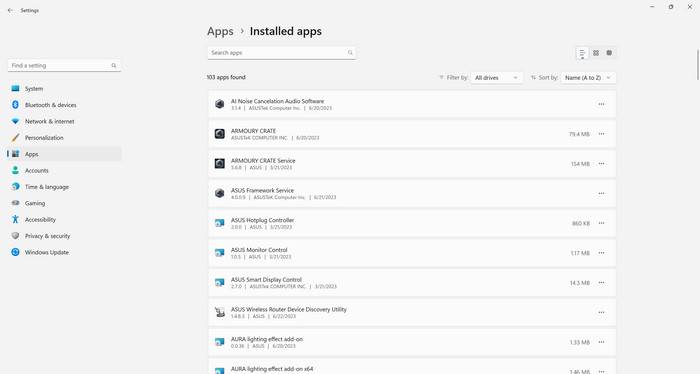
- Locate “HP Documentation” in the list of installed programs.
- Right-click on “HP Documentation” and select “Uninstall” or “Remove.”
- Follow the on-screen prompts to complete the uninstallation process.
After uninstalling HP Documentation, it’s always a good idea to perform a malware scan to ensure your computer remains secure. Malwarebytes Free is a reliable and effective tool for scanning and removing malware. You can download it from Malwarebytes Free.
Conclusion
HP Documentation by Hewlett-Packard is a pre-installed software that provides users with access to comprehensive documentation and support resources for their HP devices. It serves as a centralized hub for user manuals, troubleshooting guides, and other helpful information. Whether you should uninstall HP Documentation depends on your specific needs and preferences. If you frequently refer to the documentation and find it useful, it’s recommended to keep it installed. However, if you rarely use it and prefer a clutter-free computer, uninstalling it can free up some disk space. Remember to perform a malware scan after uninstalling any software, and Malwarebytes Free is a reliable option for this purpose.

Join the discussion
0 commentsShare your experience or ask a question about this article.
Discussion
Start the conversation
Have a question or something useful to share? Add the first comment.