

When it comes to pre-installed software on your computer, it’s not uncommon to find a variety of applications that you may not be familiar with. One such application that you might come across on an HP computer is HP Quick Launch by Hewlett-Packard. In this article, we will explore what HP Quick Launch is, its purpose, and whether or not you should consider removing it from your system.
What is HP Quick Launch?
HP Quick Launch is a software application developed by Hewlett-Packard specifically for their line of computers. It is designed to provide users with quick access to various features and functions of their HP laptop or desktop. The application typically resides in the system tray, allowing users to easily launch specific programs or perform certain actions with just a few clicks.
Some of the common features provided by HP Quick Launch include:
- Quick access to multimedia controls, such as volume adjustment and media playback.
- Shortcut keys for launching frequently used applications or performing specific actions.
- Customizable buttons for launching specific programs or websites.
- Integration with other HP software and utilities.
Should I Remove HP Quick Launch?
Now that we understand what HP Quick Launch is, the question arises: should you remove it from your HP computer? The answer depends on your personal preferences and usage patterns.
Here are a few factors to consider when deciding whether or not to remove HP Quick Launch:
1. Personal Preference
If you find that you rarely use the features provided by HP Quick Launch or prefer to use alternative methods for accessing those functions, you may consider removing the application. Removing unnecessary software can help declutter your system and potentially improve performance.
2. System Resources
HP Quick Launch, like any other software running in the background, utilizes system resources. While the impact on system performance is generally minimal, removing the application can free up some resources that can be allocated to other tasks or applications.
3. Compatibility and Updates
Before removing HP Quick Launch, it’s important to consider the compatibility of your system and any potential impact on other HP software or utilities. Additionally, if you decide to keep the application, make sure to regularly check for updates to ensure you have the latest features and bug fixes.
4. Alternative Solutions
If you do decide to remove HP Quick Launch, it’s worth exploring alternative solutions that provide similar functionality. There are numerous third-party applications available that offer customizable shortcut keys, multimedia controls, and other features. Researching and testing these alternatives can help you find a solution that better suits your needs.
How to Remove HP Quick Launch?
If you have decided to remove HP Quick Launch from your HP computer, here are the steps to do so:
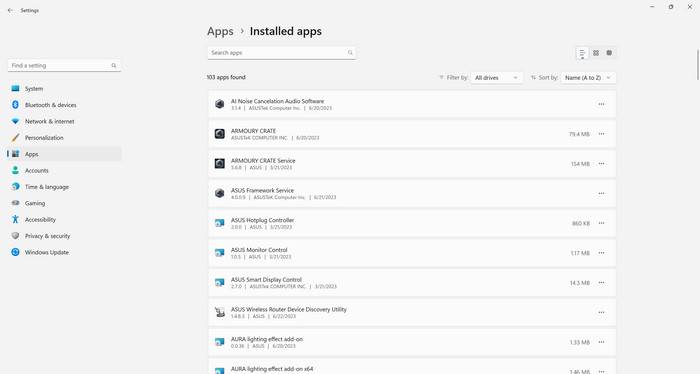
- Open the Control Panel by searching for it in the Windows search bar.
- Click on “Uninstall a program” under the “Programs” category.
- Locate “HP Quick Launch” in the list of installed programs.
- Right-click on “HP Quick Launch” and select “Uninstall”.
- Follow the on-screen prompts to complete the uninstallation process.
After the uninstallation is complete, it is recommended to restart your computer to ensure all changes take effect.
Note: Before uninstalling any software, it is always a good practice to create a system restore point or backup your important files, just in case any issues arise during the process.
Conclusion
HP Quick Launch by Hewlett-Packard is a software application that provides quick access to various features and functions on HP computers. Whether or not you should remove it depends on your personal preferences, system resources, compatibility, and the availability of alternative solutions.
If you decide to remove HP Quick Launch, follow the steps outlined in this article and consider exploring alternative applications that offer similar functionality. Remember to always create a system restore point or backup your files before making any changes to your system.
Ultimately, the choice to remove HP Quick Launch or keep it comes down to how you use your computer and what features you find valuable. Take the time to evaluate your needs and make an informed decision that best suits your requirements.

Join the discussion
0 commentsShare your experience or ask a question about this article.
Discussion
Start the conversation
Have a question or something useful to share? Add the first comment.