

HP SimplePass is a software application developed by Hewlett-Packard (HP) that provides users with a convenient way to manage their passwords and securely log in to various websites and applications. It is primarily designed for HP laptops and desktop computers and comes pre-installed on many HP devices. However, some users may wonder whether they should remove HP SimplePass from their systems. In this article, we will explore what HP SimplePass is, its features, potential drawbacks, and whether it is necessary to remove it.
What is HP SimplePass?
HP SimplePass is a password management tool that allows users to store and manage their passwords in a secure manner. It offers a convenient way to log in to websites and applications without the need to remember multiple passwords. With HP SimplePass, users can use their fingerprint or a PIN to authenticate themselves and gain access to their accounts.
The software utilizes biometric technology, such as fingerprint scanners, to provide an extra layer of security. It encrypts and stores the user’s passwords locally on their device, ensuring that they are not easily accessible to unauthorized individuals. HP SimplePass also offers features like password generation, password synchronization across devices, and the ability to fill in login forms automatically.
Features of HP SimplePass
HP SimplePass offers several features that make it a useful tool for managing passwords:
- Biometric Authentication: Users can log in to their accounts using their fingerprint or a PIN, eliminating the need to remember complex passwords.
- Password Storage: HP SimplePass securely stores passwords locally on the user’s device, reducing the risk of password theft.
- Password Generation: The software can generate strong, unique passwords for users, ensuring better security.
- Password Synchronization: HP SimplePass allows users to synchronize their passwords across multiple devices, making it easier to access accounts from different platforms.
- Automatic Form Filling: The software can automatically fill in login forms, saving time and effort for users.
Should I Remove HP SimplePass?
While HP SimplePass offers several useful features, there are a few factors to consider when deciding whether to remove it:
1. Compatibility:
HP SimplePass is primarily designed for HP devices and may not work as effectively on non-HP computers. If you are using a different brand of computer, you may find that other password management tools offer better compatibility and integration with your system.
2. Security Concerns:
While HP SimplePass provides a convenient way to manage passwords, it is not immune to security vulnerabilities. Like any software, it is possible for hackers to exploit weaknesses in HP SimplePass and gain unauthorized access to stored passwords. However, it is worth noting that HP regularly releases updates and patches to address security issues.
3. User Preference:
Some users may prefer to use alternative password management tools that offer additional features or a more user-friendly interface. It ultimately comes down to personal preference and the specific needs of the user.
Alternatives to HP SimplePass
If you decide to remove HP SimplePass from your system, there are several alternative password management tools available:
- 1. LastPass: LastPass is a popular password manager that offers a wide range of features, including password generation, synchronization across devices, and secure sharing of passwords with trusted individuals.
- 2. Dashlane: Dashlane is another well-known password manager that provides features like password storage, automatic form filling, and secure password sharing.
- 3. KeePass: KeePass is an open-source password manager that allows users to store their passwords locally on their devices. It offers strong encryption and customization options.
These are just a few examples of the many password management tools available. It is important to research and choose a tool that best suits your needs and preferences.
How to Remove HP SimplePass
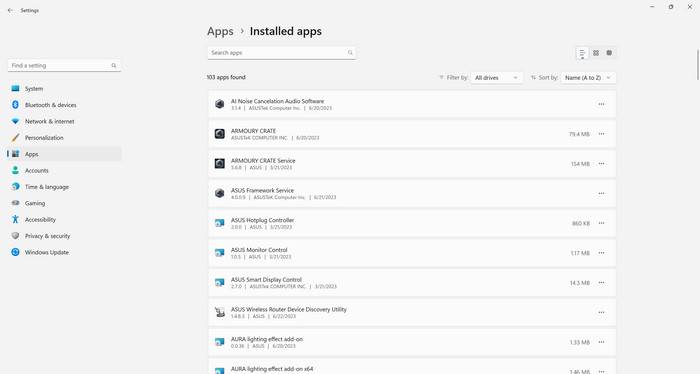
If you have decided to remove HP SimplePass from your system, you can do so using the following steps:
- Open the Control Panel on your computer.
- Select “Programs” or “Programs and Features.”
- Locate HP SimplePass in the list of installed programs.
- Right-click on HP SimplePass and select “Uninstall” or “Remove.”
- Follow the on-screen instructions to complete the uninstallation process.
Alternatively, you can use a third-party uninstaller tool like Revo Uninstaller Free to remove HP SimplePass. These tools often provide a more thorough uninstallation process, ensuring that all associated files and registry entries are removed from your system.
Conclusion
HP SimplePass is a password management tool developed by Hewlett-Packard that offers convenient features like biometric authentication, password storage, and automatic form filling. While it can be a useful tool for managing passwords, its compatibility, security concerns, and user preferences may lead some users to consider removing it.
If you decide to remove HP SimplePass, there are several alternative password management tools available, such as LastPass, Dashlane, and KeePass. These tools offer similar features and may better suit your needs and preferences.
Remember to follow the appropriate steps to uninstall HP SimplePass from your system, either through the Control Panel or by using a third-party uninstaller tool like Revo Uninstaller Free. By doing so, you can ensure a clean removal of the software from your device.
Ultimately, the decision to remove HP SimplePass or keep it installed depends on your individual circumstances and preferences. Consider the factors discussed in this article and choose the option that best aligns with your needs for password management and security.

Join the discussion
0 commentsShare your experience or ask a question about this article.
Discussion
Start the conversation
Have a question or something useful to share? Add the first comment.