

From Facebook ads to YouTube testimonials, IFMAGIC GLP-1 Pro Weight Loss Oral Solution are being pushed as a miraculous health solution. Promoted as a “food-grade fat burner” that promises to help you lose weight, balance your blood sugar, and feel more energized with zero side effects, it’s easy to see why this product is generating buzz. But here’s the question: Is IFMAGIC GLP-1 really effective—or is it another well-disguised online scam?
In this article, we’ll investigate the product’s claims, examine its marketing tactics, explain how the scam works, and offer guidance if you’ve already fallen victim. Let’s break it all down so you don’t waste your time, money, or health.
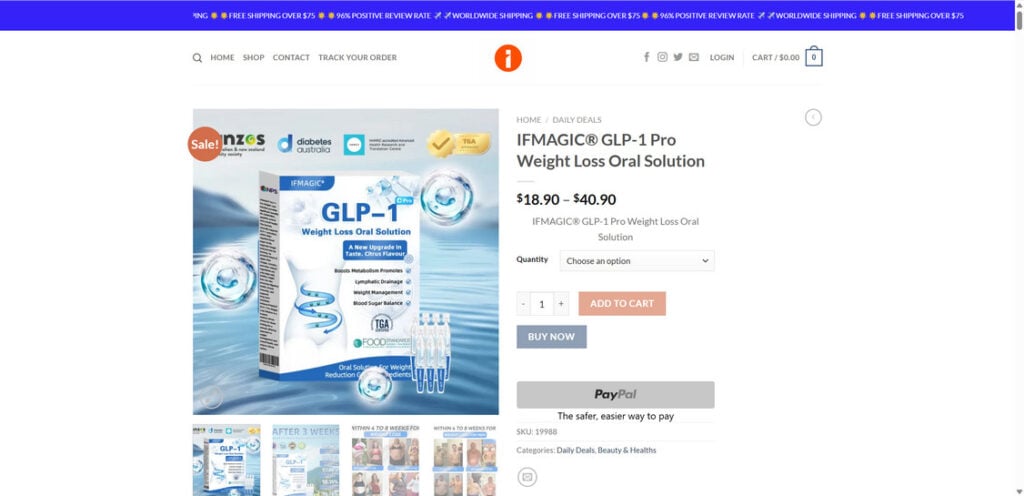
What Is IFMAGIC GLP-1 Pro Weight Loss Oral Solution and Why It’s a Red Flag
IFMAGIC GLP-1 Pro Weight Loss Oral Solution are marketed as an all-natural formula that provides a range of health benefits: weight loss, blood sugar regulation, immune boosting, and even respiratory relief. However, when you look closer, many of the claims made are unverified, unrealistic, or flat-out misleading.
Questionable Claims Made by Sellers
- TGA Approval Misrepresentation: The product claims to be “TGA approved,” but there is no publicly available listing of it with the Therapeutic Goods Administration of Australia.
- Fake Endorsements: The website falsely claims the product is recommended by organizations like the Australian Obesity Society and Diabetes Australia—neither has verified affiliation.
- Health Miracle Promises: From curing goiter to weight loss without diet or exercise, these benefits are exaggerated and unsupported by legitimate science.
- Celebrity Testimonials and Reviews: Many of the so-called customer reviews and before-and-after photos are likely fabricated or AI-generated.
No Clinical Proof
Despite its promises, IFMAGIC GLP-1 Drops does not list any scientific studies, peer-reviewed papers, or real clinical trials to support its safety or efficacy. Terms like “GLP-1,” “megutide,” and “moringa infusion” are used for scientific appeal but are never backed by real data.
How the IFMAGIC GLP-1 Scam Works
Step 1: The Clickbait Advertisement
You’re shown a flashy Facebook or Instagram ad that reads: “No Injections. No Diet. Just One Drop! Lose 4kg Instantly!” These ads use fear and unrealistic hope to lure users struggling with weight, diabetes, or fatigue.
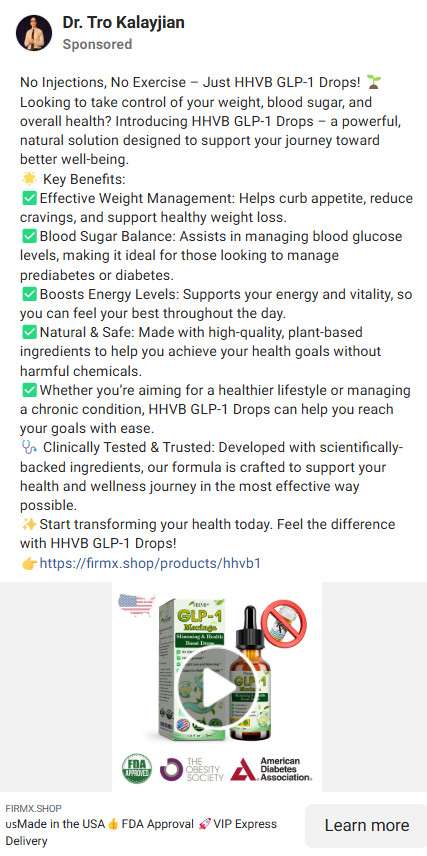
Step 2: The Deceptive Product Page
Once you click through, you arrive at a well-designed product page. It features:
- Logos from legitimate health organizations (used without permission)
- Testimonials with suspicious five-star reviews
- Fake scientific jargon
- Claims that the product is “FDA certified” and “clinically approved”
However, no legitimate FDA or TGA listing exists for this product.
Step 3: Pressure to Buy Now
The site urges you to order quickly:
- “263 customers have ordered today!”
- “Only 10 bottles left!”
- “Get your health back before it’s too late!”
These are common psychological manipulation tactics used to rush you into a purchase.
Step 4: The Auto-Renew Trap
Many consumers report being enrolled into a subscription service without their consent. They:
- Receive unexpected repeat charges on their credit cards
- Cannot reach the customer support team
- Never get their refund despite the “180-day money-back guarantee”
Step 5: The Aftermath
Buyers end up with an overpriced product that:
- Does not deliver the promised health benefits
- May cause digestive upset
- Comes with no scientific transparency
- Is associated with high-pressure sales emails and spam calls
What to Do If You Fell Victim to the IFMAGIC Scam
1. Cancel Future Charges
- Contact your bank or credit card provider immediately
- Request a chargeback and explain that the purchase was fraudulent or misleading
- Ask to block future charges from the merchant
2. Attempt to Reach Customer Support
- Save any emails or receipts from your order
- Reply to their confirmation or support email demanding cancellation and a refund
- Note: Many users report no response or fake emails
3. Report the Scam
- FTC (U.S.): reportfraud.ftc.gov
- ACCC (Australia): scamwatch.gov.au
- BBB Scam Tracker: bbb.org/scamtracker
- Internet Crime Complaint Center: ic3.gov
4. Protect Your Info
- Change your email password if you used the same one on other accounts
- Be wary of calls or emails from “health products” in the coming weeks
- Report phishing messages or spam to your email provider
5. Consult a Medical Professional
If you’ve taken the product and feel unwell, consult your doctor immediately. Report any side effects to your local health authority.
Frequently Asked Questions (FAQ) About the IFMAGIC GLP-1 Slimming Drops Scam
What is the IFMAGIC GLP-1 Pro Weight Loss Oral Solution?
It is a dietary supplement marketed as a “natural fat burner” and blood sugar support product. The drops claim to help users lose weight rapidly, regulate blood sugar, and improve overall health — without exercise or dieting. These claims are not supported by credible science or independent clinical trials.
Is IFMAGIC GLP-1 really TGA or FDA approved?
No. Despite the claims on their website, there is no verifiable proof that IFMAGIC GLP-1 drops are approved by the Therapeutic Goods Administration (TGA) or the U.S. Food and Drug Administration (FDA). These logos are likely misused to build false credibility.
Who is behind this product?
There is no transparent or verifiable company information provided. The site often makes references to endorsements from medical institutions like “The Obesity Society” or fictitious doctors like “Dr. Eric Westman,” but there is no evidence that these entities have actually endorsed the product.
Do the testimonials on the site come from real people?
Highly unlikely. The reviews appear scripted and exaggerated. Many scams use AI-generated photos and text to fabricate glowing testimonials. The lack of real review sources like Trustpilot or verified customer feedback is a major red flag.
Does the product actually contain GLP-1?
No. GLP-1 is a hormone-based compound typically found in prescription medications like semaglutide, not in over-the-counter supplements. The product uses misleading terms like “Meglutide,” which has no recognized clinical definition or medical approval.
Can these drops really replace exercise or a balanced diet?
Absolutely not. There is no scientific evidence that any over-the-counter drop can replicate the effects of physical activity or dietary changes. Claims suggesting dramatic fat loss without effort are medically irresponsible and highly deceptive.
Are the health benefits real?
The product makes sweeping claims about improving metabolism, curing obesity, lowering cholesterol, regulating diabetes, reversing fatty liver, and even preventing amputation. These are outrageous and unverified health claims that should never be taken at face value.
What should I do if I already bought IFMAGIC GLP-1 drops?
- Contact your credit card provider immediately to report potential fraud.
- Request a chargeback if you were misled by false claims or did not receive the product.
- Report the product and its site to the ACCC (Australia) or FTC (USA).
- If you’ve taken the product and feel unwell, consult your healthcare provider right away.
Is there a subscription trap involved?
Yes, some users have reported being unknowingly enrolled in recurring billing or auto-shipping programs. Always read the fine print before entering payment information.
How can I avoid similar scams in the future?
- Be skeptical of miracle cures, especially ones that claim to solve multiple health issues at once.
- Avoid products that misuse official logos or cite unverifiable clinical studies.
- Look for legitimate third-party reviews and FDA/TGA listings.
- Consult with your doctor before starting any supplement, especially those marketed online.
The Bottom Line
IFMAGIC GLP-1 Pro Weight Loss Oral Solution Drops are marketed with false promises, fake endorsements, misleading certifications, and scripted testimonials. This is a textbook health scam designed to exploit those seeking quick fixes for serious health conditions.
There is no scientific evidence that these drops help with weight loss, blood sugar, or general health.
Final Thought
The rise in supplement scams like IFMAGIC GLP-1 shows how important it is to question health products sold online. Real health solutions require real science, professional oversight, and honesty.
If a product promises instant weight loss, zero side effects, or miracle transformations without any clinical backing—it’s time to walk away.
Stay informed. Share your experience. And most importantly, consult your doctor before trying any health supplement you see on social media.








