

When it comes to computer security, it’s important to stay informed about potential threats and suspicious processes running on your system. One such process that may catch your attention is Intelcphecisvc.exe. In this article, we will explore what Intelcphecisvc.exe is, its purpose, and whether or not you should remove it from your computer.
What is Intelcphecisvc.exe?
Intelcphecisvc.exe is an executable file associated with Intel’s Control Panel Extension Service. It is a legitimate process that is typically found on systems running Intel hardware and software. The purpose of this process is to provide additional functionality and control options for Intel-related settings and features.
Intelcphecisvc.exe is usually located in the “C:\Program FilesIntel\Intel Control Center” folder. It is a non-system process, which means it is not essential for the functioning of your operating system. However, it is important to note that removing or disabling this process may prevent you from accessing certain Intel-specific settings and features.
Is Intelcphecisvc.exe a Virus or Malware?
While Intelcphecisvc.exe is a legitimate process, it is possible for malware to disguise itself as this file in order to avoid detection. Cybercriminals often use similar names to legitimate processes to trick users into running malicious software.
If you suspect that Intelcphecisvc.exe on your system may be malware, it is crucial to perform a thorough scan using reliable antivirus or anti-malware software. We recommend using Malwarebytes Free to scan your system for any potential threats.
Should I Remove Intelcphecisvc.exe?
Whether or not you should remove Intelcphecisvc.exe depends on your specific situation and requirements. Here are a few factors to consider:
1. Legitimate Process:
If you have confirmed that Intelcphecisvc.exe is a legitimate process and you are not experiencing any issues or suspicious behavior on your system, there is generally no need to remove it. It is a part of Intel’s software suite and is designed to enhance the functionality of Intel hardware.
2. Suspicious Behavior:
If you notice any unusual behavior, such as high CPU or memory usage, frequent crashes, or system slowdowns associated with Intelcphecisvc.exe, it is recommended to investigate further. Run a scan with reliable antivirus or anti-malware software to ensure that the process is not infected with malware.
3. Unwanted Features:
If you do not use any Intel-specific settings or features and find the process unnecessary, you may consider disabling or removing Intelcphecisvc.exe. However, keep in mind that removing this process may limit your ability to access certain Intel-related functionalities.
How to Disable or Remove Intelcphecisvc.exe?
If you have decided to disable or remove Intelcphecisvc.exe, here are the steps you can follow:
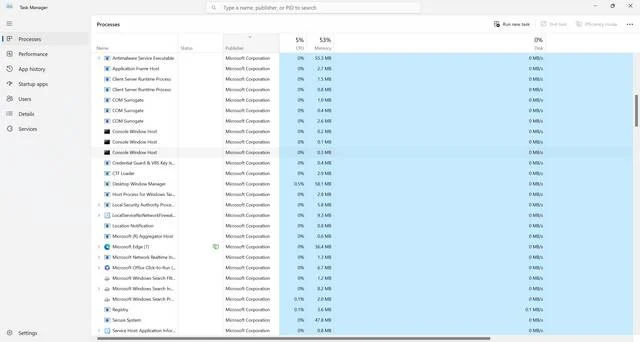
- Open the Task Manager by pressing Ctrl + Shift + Esc or right-clicking on the taskbar and selecting “Task Manager.”
- Navigate to the “Processes” or “Details” tab, depending on your version of Windows.
- Locate Intelcphecisvc.exe in the list of processes.
- Right-click on Intelcphecisvc.exe and select “End Task” or “End Process Tree.”
- If you want to prevent Intelcphecisvc.exe from running on startup, open the “Startup” tab in the Task Manager and disable the corresponding entry.
- If you wish to completely remove Intelcphecisvc.exe, navigate to the “C:\Program Files\IntelIntel Control Center” folder and delete the executable file.
Remember to exercise caution when making changes to your system files and processes. It is always recommended to create a backup or seek professional assistance if you are unsure about the consequences of removing a particular process.
Conclusion
Intelcphecisvc.exe is a legitimate process associated with Intel’s Control Panel Extension Service. While it is not essential for the functioning of your operating system, it provides additional functionality and control options for Intel-related settings and features.
If you suspect that Intelcphecisvc.exe on your system may be malware, it is crucial to perform a thorough scan using reliable antivirus or anti-malware software. Consider using Malwarebytes Free to scan your system for any potential threats.
Whether or not you should remove Intelcphecisvc.exe depends on your specific situation and requirements. If you have confirmed that it is a legitimate process and you are not experiencing any issues, there is generally no need to remove it. However, if you notice suspicious behavior or do not use any Intel-specific settings or features, you may consider disabling or removing it.
Remember to exercise caution when making changes to your system files and processes. If you are unsure about the consequences of removing a particular process, it is always recommended to create a backup or seek professional assistance.

Join the discussion
0 commentsShare your experience or ask a question about this article.
Discussion
Start the conversation
Have a question or something useful to share? Add the first comment.