

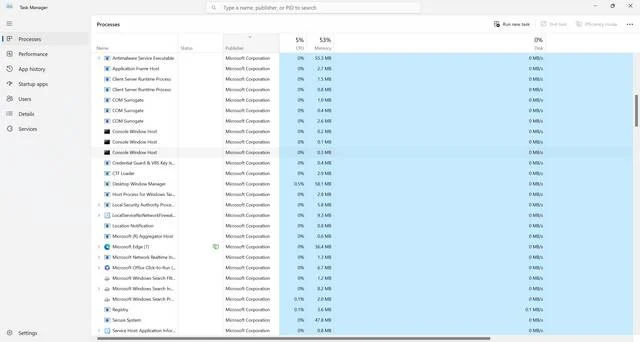
Task Manager is a powerful tool in Windows that allows users to monitor and manage running processes, performance, and resource usage. When users open Task Manager, they may notice a process called “Intel(R) Optane(TM) Memory Service” running in the background. This article aims to provide a detailed explanation of what the Intel(R) Optane(TM) Memory Service process is, why it is running in Task Manager, and its significance for system performance.
Understanding Intel(R) Optane(TM) Memory
Intel(R) Optane(TM) Memory is a technology developed by Intel that combines the speed of solid-state drives (SSDs) with the capacity of traditional hard disk drives (HDDs). It uses 3D XPoint memory, a non-volatile memory technology that offers faster data access and improved system responsiveness compared to traditional storage devices.
Optane(TM) Memory works by caching frequently accessed data and storing it in the Optane(TM) Memory module. This allows for quicker access to frequently used files, applications, and operating system components, resulting in faster boot times and improved overall system performance.
The Role of Intel(R) Optane(TM) Memory Service Process
The Intel(R) Optane(TM) Memory Service process, also known as “iaStorAfsServiceApi.dll,” is a background service that manages the caching and optimization of data on systems equipped with Intel(R) Optane(TM) Memory. It ensures that the caching process is performed efficiently and transparently to the user.
The service runs as a Windows service and is responsible for monitoring the system’s usage patterns, identifying frequently accessed data, and managing the caching of that data in the Optane(TM) Memory module. By doing so, it helps accelerate the performance of the system by reducing the time it takes to access frequently used data.
Why Is Intel(R) Optane(TM) Memory Service Running in Task Manager?
When users see the Intel(R) Optane(TM) Memory Service process running in Task Manager, it indicates that their system is equipped with Intel(R) Optane(TM) Memory and that the caching and optimization process is actively running in the background.
It is worth noting that the Intel(R) Optane(TM) Memory Service process is a legitimate and essential component of the Intel(R) Optane(TM) Memory technology. Its presence in Task Manager is not a cause for concern or alarm.
The Significance for System Performance
The Intel(R) Optane(TM) Memory Service process plays a crucial role in enhancing system performance by accelerating data access and reducing latency. By caching frequently accessed data in the Optane(TM) Memory module, it significantly improves the overall responsiveness of the system.
Here are some key benefits of Intel(R) Optane(TM) Memory:
- Improved boot times: With frequently accessed files and applications cached in the Optane(TM) Memory module, the system can boot up faster, allowing users to start working or gaming without unnecessary delays.
- Enhanced application performance: Applications that rely on accessing large amounts of data, such as video editing software or database management systems, can benefit from the faster data access provided by Intel(R) Optane(TM) Memory.
- Reduced file loading times: Opening files and documents becomes quicker as frequently used files are cached in the Optane(TM) Memory module, reducing the time it takes to retrieve them from slower storage devices.
- Improved multitasking capabilities: The faster data access provided by Intel(R) Optane(TM) Memory allows for smoother multitasking, as switching between applications and accessing different files becomes more seamless.
Conclusion
The Intel(R) Optane(TM) Memory Service process running in Task Manager is a vital component of the Intel(R) Optane(TM) Memory technology. It manages the caching and optimization of frequently accessed data, resulting in improved system performance and responsiveness.
Understanding the role of Intel(R) Optane(TM) Memory and its associated service process can help users appreciate the benefits it brings to their computing experience. With faster boot times, enhanced application performance, reduced file loading times, and improved multitasking capabilities, Intel(R) Optane(TM) Memory significantly enhances overall system performance.
So, the next time you see the Intel(R) Optane(TM) Memory Service process running in Task Manager, rest assured that it is working behind the scenes to optimize your system’s performance. If you want to ensure your system’s security and performance, consider scanning for viruses or malware using Malwarebytes Free.

Join the discussion
0 commentsShare your experience or ask a question about this article.
Discussion
Start the conversation
Have a question or something useful to share? Add the first comment.