

InterVideo WinDVD is a popular software application that allows users to play DVDs on their computers. It offers a range of features and functionalities that enhance the DVD viewing experience. However, as with any software, there may be reasons why you might consider removing it from your system. In this article, we will explore what InterVideo WinDVD is, its features, potential drawbacks, and whether or not you should remove it from your computer.
What is InterVideo WinDVD?
InterVideo WinDVD is a software application developed by InterVideo Inc. It is primarily designed to play DVDs on Windows-based computers. The software provides a user-friendly interface that allows users to navigate through DVD menus, play movies, and access additional features such as subtitles, audio tracks, and video settings.
InterVideo WinDVD supports a wide range of video and audio formats, making it compatible with various DVD types. It also offers advanced features like time stretching, frame capture, and video enhancement tools, allowing users to customize their viewing experience.
Features of InterVideo WinDVD
InterVideo WinDVD comes with a plethora of features that make it a popular choice among DVD enthusiasts. Some of its notable features include:
- High-Quality Playback: InterVideo WinDVD ensures high-quality video and audio playback, providing users with a cinematic experience.
- Enhanced Audio: The software supports various audio technologies, including Dolby Digital, DTS, and SRS TruSurround, delivering immersive sound.
- Subtitle Support: InterVideo WinDVD allows users to enable or disable subtitles and customize their appearance for a better viewing experience.
- Video Settings: Users can adjust video settings such as brightness, contrast, and saturation to optimize the visual quality according to their preferences.
- Time Stretching: This feature enables users to adjust the playback speed of a DVD, allowing them to watch movies at their desired pace.
- Frame Capture: InterVideo WinDVD allows users to capture frames from a DVD and save them as image files for later use.
Should I Remove InterVideo WinDVD?
While InterVideo WinDVD offers a range of features and functionalities, there may be instances where you might consider removing it from your computer. Here are a few reasons why you might want to remove InterVideo WinDVD:
Limited Usage:
If you rarely watch DVDs on your computer or have alternative software that meets your needs, you may find InterVideo WinDVD unnecessary. Removing it can free up valuable disk space and reduce clutter on your system.
Performance Impact:
Some users have reported that InterVideo WinDVD can consume significant system resources, leading to slower performance on their computers. If you notice a decrease in overall system performance while using InterVideo WinDVD, removing it might be a viable solution.
Compatibility Issues:
InterVideo WinDVD may not be compatible with certain DVD drives or operating systems. If you encounter compatibility issues or experience frequent crashes or errors while using the software, removing it and opting for an alternative DVD player might be a better choice.
Security Concerns:
Like any software, InterVideo WinDVD may have vulnerabilities that could be exploited by malicious actors. If you are concerned about potential security risks, removing the software can mitigate those risks.
How to Remove InterVideo WinDVD
If you have decided to remove InterVideo WinDVD from your computer, there are a few methods you can use:
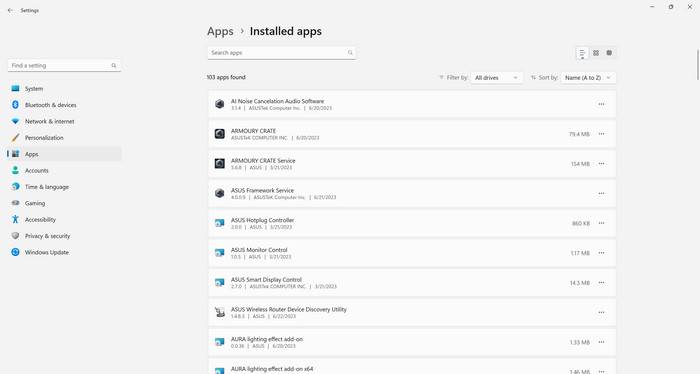
- Uninstall via Control Panel: You can uninstall InterVideo WinDVD through the Control Panel on your Windows computer. Simply navigate to the “Programs and Features” or “Add or Remove Programs” section, locate InterVideo WinDVD, and select the option to uninstall.
- Third-Party Uninstaller: Using a third-party uninstaller tool can simplify the removal process and ensure that all associated files and registry entries are properly deleted. One recommended tool is Revo Uninstaller Free, which offers advanced scanning and cleaning capabilities.
Regardless of the method you choose, it is always a good practice to back up your important files and create a system restore point before uninstalling any software.
Conclusion
InterVideo WinDVD is a feature-rich software application that allows users to play DVDs on their computers. It offers high-quality playback, advanced audio features, and customization options. However, there may be instances where you might consider removing it due to limited usage, performance impact, compatibility issues, or security concerns.
If you decide to remove InterVideo WinDVD, you can uninstall it through the Control Panel or use a third-party uninstaller tool like Revo Uninstaller Free for a more thorough removal process.
Ultimately, the decision to remove InterVideo WinDVD depends on your specific needs and preferences. Consider evaluating your usage patterns, system performance, and security concerns before making a decision.

Join the discussion
0 commentsShare your experience or ask a question about this article.
Discussion
Start the conversation
Have a question or something useful to share? Add the first comment.