

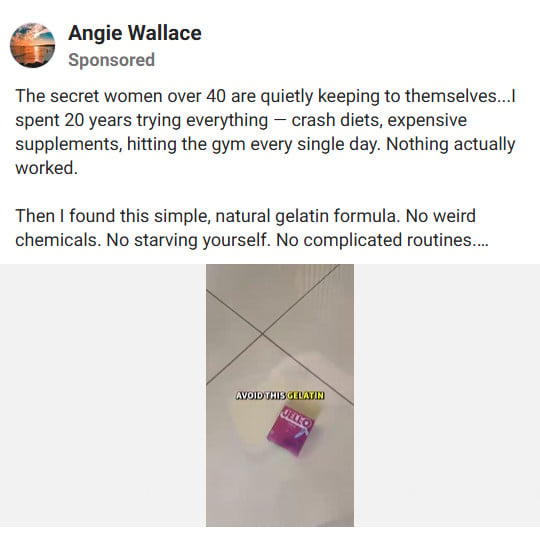
The “Jillian Michaels Pink Gelatin Trick” is being promoted in weight loss ads that promise a simple recipe, fast results, and a supplement that supposedly makes the process even easier.
The ads look convincing because they borrow a familiar fitness name, use AI-style video tactics, and push viewers toward “limited-time” supplement offers.
But the pattern behind these campaigns is a familiar one: a viral recipe hook, a fake or misleading endorsement, and a checkout flow that can lead to overpriced bottles, upsells, and unwanted subscriptions.
This article breaks down how the scam works, the red flags to watch for, and what to do if you already ordered.
Scam Overview
The “Pink Gelatin Trick” is the hook
The scam usually starts with a simple promise.
A video claims there is a “pink gelatin trick” that helps people lose weight quickly, often with little effort. The idea sounds harmless because gelatin is familiar, cheap, and easy to picture in a kitchen.
That is exactly why the hook works.
A recipe sounds safer than a pill. It feels like a tip, not a sales pitch.
But in many of these campaigns, the recipe is not the real point. It is used to pull people into a funnel that eventually pushes a supplement, usually gummies, drops, capsules, or another “fat-burning” formula.
If the page keeps teasing the recipe but never gives clear steps, that is a major warning sign.
Why Jillian Michaels’ name is used
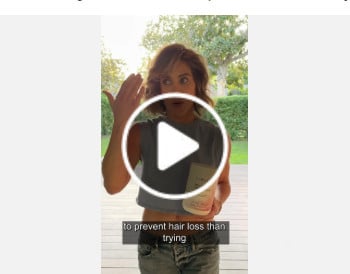
Jillian Michaels is a recognizable fitness personality, so scammers use her name and likeness to create instant trust.
The viewer is meant to think:
“If Jillian Michaels is connected to this, maybe it’s real.”
But that assumption is exactly what the scam relies on.
Search results show Jillian Michaels has publicly warned that AI-generated scams are using her name and likeness to push fake or random products, and that she has not endorsed those products.
This fits a much wider scam trend. The FTC warns that scammers are using fake celebrity and influencer endorsements, including doctored video and audio that can look and sound real.
The “celebrity fitness recipe” format is designed to reduce skepticism
The funnel does not usually start by saying, “Buy this supplement.”
It starts with curiosity.
You may see claims like:
- “Jillian Michaels reveals the pink gelatin trick”
- “This gelatin recipe helped people drop weight fast”
- “Watch before this gets removed”
- “This simple trick works better than diets”
- “Doctors and trainers are stunned”
These lines are designed to make the viewer feel like they are discovering something secret.
The more “hidden” the trick feels, the more emotionally invested the viewer becomes.
That is when the page introduces the product.
The product name keeps changing
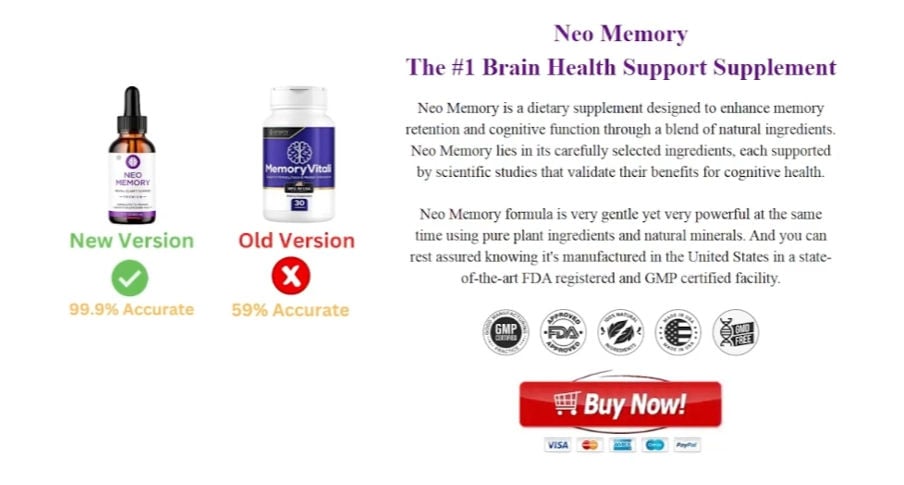
One of the clearest signs of this scam pattern is that the same “pink gelatin” story appears under different supplement names.
Some campaigns push gummies.
Others push drops.
Others push capsules with claims about metabolism, GLP-1, ketosis, appetite control, or fat burning.
The product label changes because the funnel is reusable.
Once complaints build up around one brand, operators can relaunch the same campaign with:
- a new domain
- a new bottle design
- a new product name
- a slightly different video
- the same basic script
That is why focusing only on the product name can be misleading.
The pattern matters more than the label.
The ads often use fake urgency
These pages usually pressure you to act fast.
You may see:
- countdown timers
- “limited stock” warnings
- “today only” discounts
- “people watching now” counters
- popups saying someone just ordered
- claims that the video will be removed soon
These are not proof the offer is real.
They are pressure tools.
The FTC specifically advises people to pause when a celebrity-endorsed product appears online and verify the claim before buying, because scammers use fake endorsements to generate buzz and profits.
The weight loss claims are usually exaggerated
Pink gelatin scam pages often imply dramatic results.
They may suggest people can lose weight quickly without major lifestyle changes. Some versions suggest the supplement “activates” fat burning, “resets” metabolism, or works like a natural GLP-1 shortcut.
These claims should be treated carefully.
The FTC warns that weight loss ads often use false promises, especially claims that people can lose weight without diet or exercise, or that a product works for everyone.
The FDA also warns that many products marketed for weight loss, including diet pills and fat-burning supplements, are likely to be contaminated with dangerous hidden ingredients. These products are sometimes falsely advertised as dietary supplements or “all-natural” treatments.
So the risk is not only wasted money.
It can also involve unknown ingredients, side effects, and interactions with medications.
How The Scam Works
Step 1: You see a short, attention-grabbing ad
The first step is usually a social media ad.
It may appear on Facebook, Instagram, TikTok, YouTube, or an ad network.
The video often looks like:
- a fitness tip
- a celebrity interview
- a podcast clip
- a news-style segment
- a personal testimonial
- an AI-generated endorsement video
The goal is to stop your scroll.
The ad does not need to prove anything yet. It only needs to make you curious enough to click.
Step 2: Jillian Michaels’ name or likeness is used as the trust trigger
The ad may imply that Jillian Michaels created, revealed, tested, or endorsed the pink gelatin trick.
Sometimes the voice sounds synthetic.
Sometimes the video looks edited.
Sometimes the image or caption does most of the work.
The purpose is simple: borrow trust.
Because Jillian Michaels is associated with fitness and weight loss, scammers use that association to make the offer feel credible.
But a familiar face in an ad is not proof of endorsement. The FTC warns that doctored video and audio can make fake celebrity endorsements look real.
Step 3: The click leads to a sales page disguised as content
After clicking, you may land on a page that looks like:
- a news article
- a health blog
- a “special report”
- a video presentation
- a recipe page
The page may include a headline like:
“Jillian Michaels’ Pink Gelatin Trick for Weight Loss”
or
“Fitness Expert Reveals the Gelatin Recipe Everyone Is Talking About”
The design is meant to feel informational.
But the page is usually built to sell.
Step 4: The recipe is teased, not clearly explained
This is one of the biggest tells.
A legitimate recipe would be simple:
- ingredients
- measurements
- preparation steps
- realistic expectations
- safety notes
Scam funnels often avoid that.
They delay the recipe with lines like:
- “Watch this first”
- “You need to understand why this works”
- “This video may be taken down”
- “Stay until the end”
The delay is intentional.
The longer you stay, the more likely you are to buy.
Step 5: The page introduces a “hidden cause” of weight gain
Next, the funnel usually explains why ordinary diets supposedly fail.
It may claim the real issue is:
- metabolism shutdown
- hormones
- gut bacteria
- toxins
- GLP-1 imbalance
- inflammation
- “fat storage mode”
Some of these terms are connected to real health topics, but the scam version usually oversimplifies them.
The page creates the feeling that one simple trick can solve everything.
Then it positions the supplement as that missing solution.
Step 6: The bait-and-switch happens
At this stage, the “pink gelatin trick” quietly becomes a supplement pitch.
The page may claim the supplement:
- boosts metabolism
- reduces appetite
- supports fat burning
- activates natural GLP-1
- helps burn stubborn belly fat
- works better with the gelatin recipe
This is the switch.
You clicked for a recipe.
Now you are being pushed toward bottles.
Step 7: Trust badges and fake proof appear
Near the product offer, you may see phrases like:
- “clinically tested”
- “doctor recommended”
- “GMP certified”
- “made in the USA”
- “FDA registered facility”
- “natural ingredients”
These phrases are often used to reduce hesitation.
But they do not prove the product works.
Step 8: The page pressures you to buy a bundle
The checkout offer usually pushes multiple bottles.
Common bundles include:
- 1 bottle at a high price
- 3 bottles as the “popular” choice
- 6 bottles as the “best value”
This is pricing psychology.
The page makes the larger purchase feel like the smart choice before you have any real evidence the product works.
Step 9: Upsells and subscription terms create billing risk
This is where many buyers get burned.
The checkout may include:
- pre-selected quantities
- upsells that look like required steps
- “free bottle” language that increases the total
- small-print autoship terms
- recurring refill subscriptions
- vague merchant names on the bank statement
A buyer may think they ordered one bottle, then later discover they were charged for more.
Or they may see another charge weeks later because they were enrolled in a refill program.
Step 10: Refunds become difficult
Once the order is placed, support may become frustrating.
Common complaints in these supplement funnels include:
- slow email replies
- unclear return instructions
- strict return windows
- partial refund offers
- customer service that avoids canceling refills
- return shipping costs that make refunds impractical
This is why many victims describe the process as “impossible” to undo.
The purchase is designed to be quick.
The cancellation is designed to be slow.
What To Do If You Bought From This Scam
If you already ordered after seeing a Jillian Michaels Pink Gelatin Trick ad, take these steps.
1) Save all evidence immediately
Save screenshots of:
- the ad
- the landing page
- the product page
- the checkout total
- the terms and conditions
- your confirmation email
- your bank or card statement
Scam pages often disappear or change quickly.
2) Check your order confirmation carefully
Look for words like:
- autoship
- membership
- monthly
- subscription
- refill
- continuity
- next shipment
If you see any of these, act quickly.
3) Email the seller to cancel in writing
Send a short message with:
- your full name
- the email used for purchase
- your order number
- a clear request to cancel any subscription
- a demand that they stop future charges
- a request for written confirmation
Keep the email as evidence.
4) Contact your card issuer if charges look wrong
Call your bank or credit card provider and explain what happened.
Ask about:
- disputing the charge
- blocking future charges
- replacing the card if rebilling continues
- documenting the merchant as deceptive
Do this quickly if you see unauthorized charges.
5) Monitor statements for at least 60 days
Do not assume it is over after one charge.
Watch for:
- repeat charges
- small test charges
- unfamiliar merchant names
- shipping fees
- monthly refill billing
6) Stop using the product if you feel unwell
If you took the supplement and experienced side effects, stop using it and seek medical advice.
This is especially important if you take medication or have a medical condition.
7) Report the ad
Report the ad on the platform where you saw it.
Use categories like:
- scam
- misleading claims
- fake endorsement
- impersonation
- deceptive health product
8) Report the fake endorsement
If the ad used Jillian Michaels’ name or likeness, report it as impersonation or fake endorsement.
The FTC specifically warns that scammers use fake celebrity endorsements with doctored media to sell products.
The Bottom Line
The Jillian Michaels Pink Gelatin Trick supplements scam is not a trustworthy weight loss breakthrough.
It is usually a repeatable ad funnel that uses a celebrity fitness name, a viral recipe hook, and high-pressure checkout tactics to sell supplements with exaggerated claims.
Jillian Michaels has publicly warned that AI-generated scams are using her name and likeness to push fake products she has not endorsed.
If you already bought, focus on protection now: save evidence, cancel in writing, monitor for refill charges, and contact your bank if billing looks deceptive.
The product name may change, but the pattern stays the same.








