

The Jillian Michaels weight loss supplements scam is spreading through ads that use her name, face, and fitness reputation to sell gummies, pills, drops, and “fat-burning” formulas she has not endorsed.
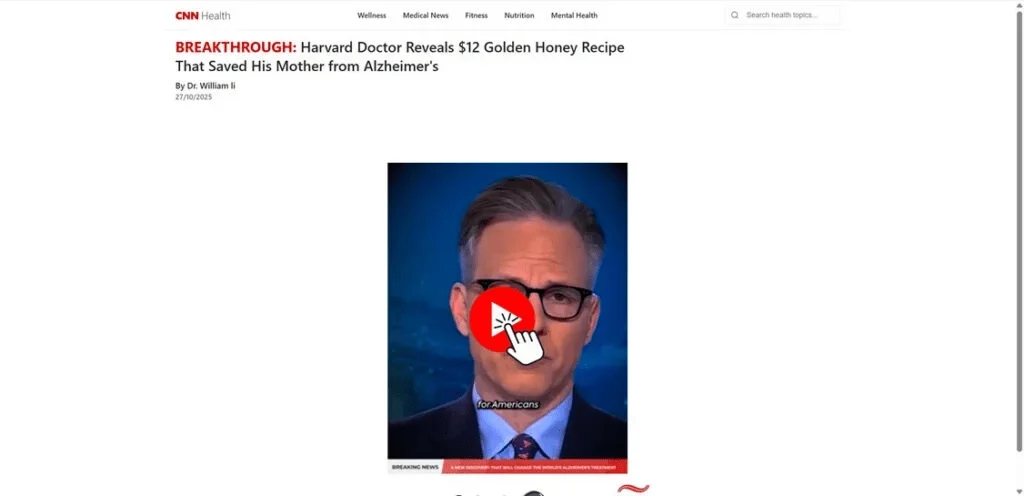
The videos can look real at first. Some use AI-generated voices, edited clips, fake interviews, or fake recipe hooks like a “gelatin trick” to make the pitch feel believable.
But the pattern is familiar: a trusted fitness name, dramatic weight loss promises, a product checkout, and sometimes unwanted charges that are difficult to reverse.
Scam Overview
Jillian Michaels is a well-known fitness personality, which makes her an obvious target for scammers selling weight loss supplements.
These ads usually do not start like normal product ads. They often begin as a short video, fake interview, fake news-style clip, or “secret recipe” reveal.
The message is usually simple:
- Jillian Michaels discovered a new weight loss trick
- she supposedly uses a gummy or supplement
- the product melts fat without diet or exercise
- the formula activates GLP-1 or metabolism
- the offer is limited and must be claimed quickly
That structure is designed to make people trust the pitch before they question it.
The problem is that Jillian Michaels has publicly warned that AI-generated scams are using her name and likeness to push fake or random products. Her own site states that the only supplement company she works with is Alaya Naturals, and that everything else is fake. It also states she does not have a weight loss gelatin recipe.
That matters because many scam ads do not just use her name in text. They use manipulated videos that appear to show her speaking directly about a product.
A person watching quickly may think, “This must be real, I’m seeing her say it.”
That is exactly the trap.
AI makes the scam harder to spot
Older supplement scams used stolen photos and fake quotes.
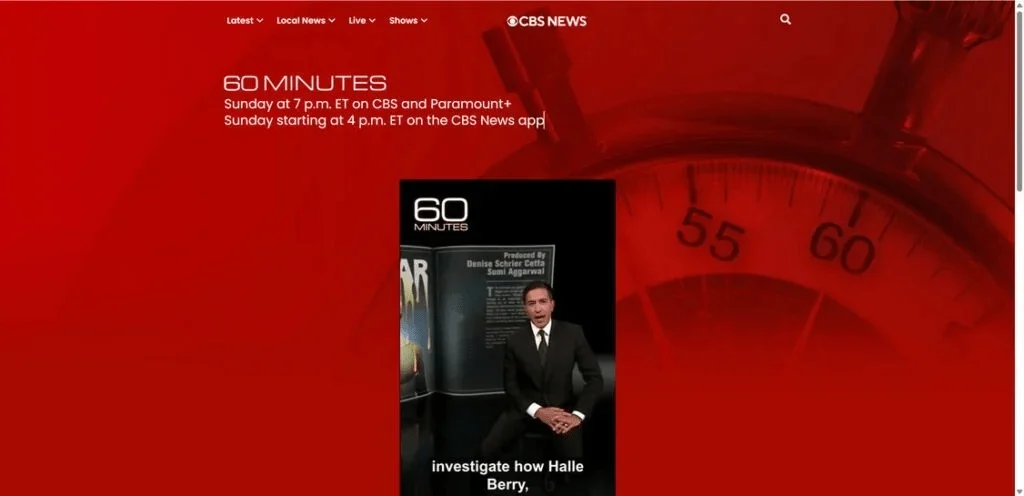
Newer scams use AI-generated audio, manipulated video, and deepfake-style clips. The result can look convincing on a phone screen, especially when the ad is short and fast-moving.
The Federal Trade Commission warns that scammers use fake celebrity and influencer endorsements, including doctored video and audio that can seem real, to generate buzz and profits.
So the main rule is simple:
A celebrity face in an ad is not proof.
A voice that sounds familiar is not proof.
A video clip that looks like an interview is not proof.
If the endorsement is real, it should be visible through the celebrity’s official website, verified social media, or a trusted public statement.
The product names keep changing
This scam is not tied to only one supplement name.
The same Jillian Michaels-style ad can promote different products at different times, such as:
- weight loss gummies
- keto pills
- metabolism capsules
- fat-burning drops
- “natural GLP-1” supplements
- collagen or gelatin products
- detox or cleanse formulas
The product label may change, but the funnel stays similar.
That is why focusing only on the bottle name can be misleading. The scam is usually in the marketing structure, not just the product name.
The claims are usually too good to be true
These ads often promise dramatic results with little effort.
Common claims include:
- “Lose weight without dieting”
- “No exercise needed”
- “Burn fat while you sleep”
- “Melt belly fat fast”
- “Activate GLP-1 naturally”
- “Works for everyone”
- “Clinically proven breakthrough”
These are classic weight loss scam signals.
The FTC warns that dishonest weight loss ads often use fake stories online and claims that sound miraculous, such as losing weight without changing habits or a product that works for everyone.
Real weight loss is not that simple.
It depends on food intake, activity, sleep, hormones, medical history, medications, stress, and long-term habits. A random gummy or pill sold through a celebrity-style ad cannot bypass all of that.
“Natural” does not mean safe
Many of these supplement pages use comforting language like:
- natural
- plant-based
- safe
- gentle
- doctor-formulated
- lab-tested
- made in the USA
- FDA registered facility
- GMP certified
These phrases are used to lower suspicion.
But they do not prove the product works. They do not prove the celebrity endorsement is real. They do not prove the checkout is honest.
The FDA warns that many products marketed for weight loss can contain hidden drug ingredients and may be sold as dietary supplements or “all-natural” treatments.
That is why these ads are risky even if the product looks harmless.
The checkout is often where people get burned
A lot of victims do not only complain that the supplement failed.
They complain about the order process.
Common problems include:
- being charged for more bottles than expected
- hidden shipping fees
- upsells that look like required checkout steps
- confusing bundle offers
- “free bottle” language that increases the total
- recurring refill subscriptions
- merchant names that do not match the product
- customer service that is difficult to reach
- refund requests that drag on or go nowhere
This is why these campaigns can become expensive fast.
The sales page is designed to be quick and emotional. The refund process is often slow and frustrating.
How The Scam Works
Step 1: You see a short ad with Jillian Michaels’ name or face
The scam usually starts on Facebook, Instagram, TikTok, YouTube, or a display ad network.
The video may look like:
- a fitness interview
- a podcast clip
- a before-and-after story
- a fake news segment
- a recipe reveal
- a “limited-time” product announcement
The ad’s goal is to stop your scroll.
It does not need to prove anything yet. It only needs to make you curious enough to click.
Step 2: The ad creates instant trust
Jillian Michaels’ fitness reputation is the hook.
The scam uses that reputation to make the product feel credible.
The viewer may think:
“She knows fitness, so maybe this is real.”
That trust shortcut is exactly why scammers use famous fitness names.
Step 3: The ad uses fake or manipulated video
Some ads may use AI-generated clips or edited footage that appears to show Jillian Michaels speaking.
The voice may sound close enough. The mouth movements may look close enough. The video may be short enough that most people do not notice anything strange.
This is why scam ads work.
They are not built for careful inspection. They are built for quick emotional reactions.
Step 4: The page makes a big weight loss promise
After clicking, you may land on a page that claims the product can:
- burn fat quickly
- reduce cravings
- flatten the stomach
- activate metabolism
- mimic GLP-1 effects
- help without diet or exercise
This is where skepticism should kick in.
If the claim sounds like a shortcut that solves everything, it is probably not reliable.
Step 5: Fake testimonials build emotional proof
The page may show:
- before-and-after photos
- first-name-only reviews
- dramatic weight loss numbers
- “real customer” comments
- screenshots that look like social media posts
These are not dependable proof.
Images can be stolen. Reviews can be fabricated. Testimonials can be reused across multiple scam sites.
Step 6: The product appears as gummies, pills, or drops
At this stage, the funnel introduces the offer.
The product may be framed as:
- Jillian’s secret
- a celebrity-endorsed formula
- a new metabolism discovery
- a natural GLP-1 solution
- a gelatin or collagen trick
- a limited-release supplement
The page may claim the offer is available only for a short time.
That urgency is designed to stop you from researching.
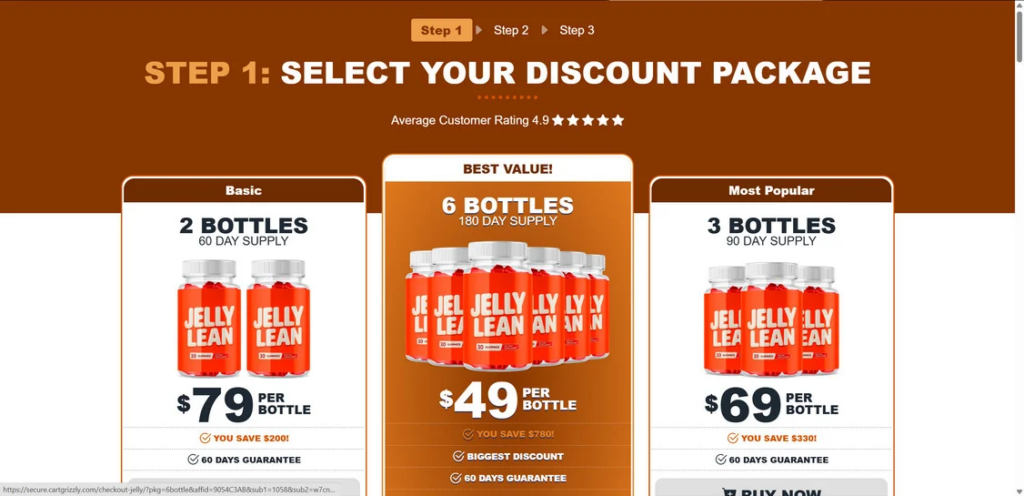
Step 7: The order page pushes bundles
Most supplement funnels use the same pricing structure:
- 1 bottle at a high price
- 3 bottles as the popular option
- 6 bottles as the best value
The larger bundle is made to look like the smart choice.
But if the ad is fake, buying more only increases the loss.
Step 8: The checkout can hide the real cost
This is where buyers often get trapped.
The checkout page may include:
- pre-selected quantities
- add-ons
- upsell pages
- hidden shipping
- recurring refill terms
- unclear cancellation language
Some buyers think they placed a one-time order, then discover another charge weeks later.
Step 9: Support becomes difficult
After the order is placed, the smooth sales experience may disappear.
Buyers may run into:
- slow email replies
- no clear phone support
- strict return windows
- partial refund offers
- cancellation requests that are ignored
- continued rebilling
This is why it is important to act quickly if you already purchased.
What To Do If You Bought From This Scam
1) Save evidence immediately
Take screenshots of:
- the ad
- the video
- the landing page
- the product page
- the checkout total
- the terms and conditions
- your confirmation email
- your bank or card statement
Do this quickly because scam pages can change or disappear.
2) Check what you were charged
Compare the advertised price with your statement.
Look for:
- higher totals than expected
- split charges
- duplicate charges
- hidden shipping fees
- unfamiliar merchant names
3) Search for subscription language
Check the confirmation email and order terms for:
- subscription
- refill
- autoship
- monthly
- continuity
- membership
- next shipment
If you see these words, act quickly.
4) Cancel in writing
Email the seller and clearly state:
- your full name
- the email used for purchase
- your order number
- cancel any subscription
- stop all future charges
- send written confirmation
Keep the email as proof.
5) Contact your bank or card issuer
If the charge is wrong, higher than expected, or repeated, contact your bank or credit card provider.
Ask about:
- disputing the charge
- blocking future charges
- replacing the card if needed
- documenting the merchant as deceptive
Do not wait if a second charge appears.
6) Monitor your statement for at least 60 days
Watch for:
- refill charges
- monthly charges
- small test charges
- charges under different merchant names
- shipping fees you did not approve
7) Stop using the product if you feel unwell
If you took the supplement and had side effects, stop using it and seek medical guidance.
This is especially important if you have:
- heart disease
- high blood pressure
- diabetes
- kidney disease
- liver disease
- anxiety or stimulant sensitivity
- prescription medication use
8) Report the ad
Report the ad on the platform where you saw it.
Use categories like:
- scam
- fake endorsement
- impersonation
- misleading health claim
- AI-generated deception
- suspicious supplement
The Bottom Line
The Jillian Michaels weight loss supplements scam is not a real fitness breakthrough.
It is usually a deceptive ad funnel that uses her name or likeness to sell gummies, pills, drops, or metabolism products she did not endorse.
Jillian Michaels has publicly warned that AI-generated scams are using her name and likeness, and her own site says she does not have a weight loss gelatin recipe and that fake products are being promoted with her image. (Jillian Michaels)
If you already bought, focus on practical protection: save evidence, cancel in writing, monitor your statement, and contact your card issuer if charges look deceptive.








