

The Dr. Jennifer Ashton weight loss supplements scam is spreading through ads that use her name, image, and medical reputation to sell gummies, pills, drops, and “fat-burning” formulas she has not endorsed.
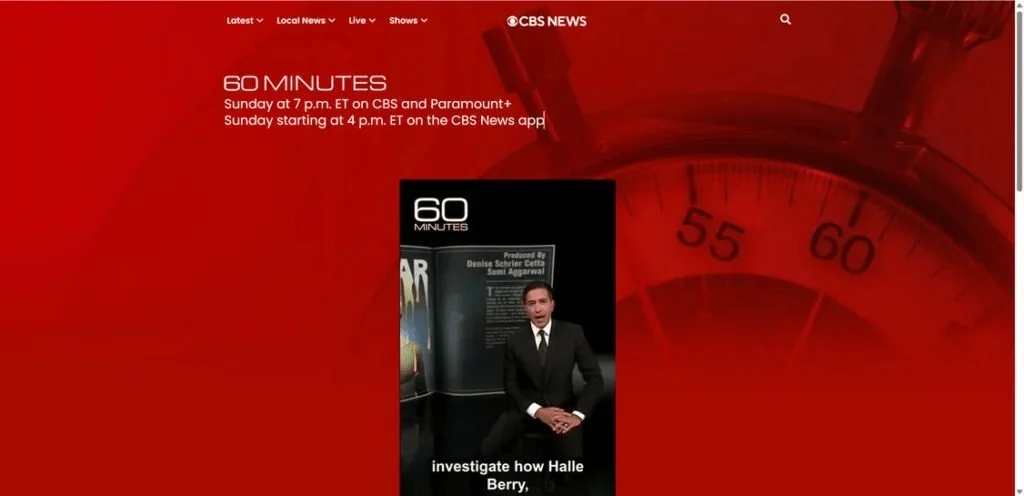
The videos can look convincing at first. Some appear to use AI-generated voices, edited clips, fake interviews, or “gelatin trick” style recipe hooks to make the product feel medically backed.
But the pattern is familiar: a trusted doctor’s name, dramatic weight loss promises, a fast-moving checkout page, and sometimes unwanted charges that are difficult to reverse.
Scam Overview
Dr. Jennifer Ashton is a well-known physician and television medical contributor, which makes her a valuable target for scammers selling weight loss supplements.
These ads usually do not look like ordinary product ads. They often appear as:
- fake health reports
- fake Good Morning America-style clips
- social media videos
- AI-generated interviews
- “doctor reveals” presentations
- “gelatin trick” or “keto gummies” promotions
The message is usually simple: Dr. Jennifer Ashton supposedly discovered, recommends, or uses a weight loss product that helps people lose weight quickly.
That claim is the bait.
Dr. Jennifer Ashton did not endorse keto or CBD gummies for weight loss, and scam ads have repeatedly used her name and image without permission.
The fake endorsement is the core of the scam
The scam works because people trust doctors.
If a viewer sees Dr. Ashton’s name or face beside a product, they may assume it has been reviewed, tested, or approved by someone credible.
That is exactly what the scammers want.
The ad does not need to prove the supplement works. It only needs to make the viewer feel safe enough to click.
Many of these campaigns use AI-style content, edited footage, or misleading captions. The FTC warns that scammers now use fake celebrity and influencer endorsements, including doctored video and audio that can look and sound real.
So a video that appears to show Dr. Ashton speaking is not enough.
A familiar face in an ad is not proof.
A medical-looking page is not proof.
A “doctor recommended” badge is not proof.
The product names keep changing
This scam is rarely tied to one stable product.
The same fake Dr. Jennifer Ashton endorsement can be used to promote:
- keto gummies
- BHB capsules
- weight loss pills
- metabolism boosters
- fat-burning drops
- gelatin trick supplements
- “natural GLP-1” formulas
- detox or cleanse products
The product label may change, but the funnel stays the same.
Dr. Jennifer Ashton gelatin trick” is a social media campaign built around medical-style videos, rapid fat-loss claims, and a shift from a simple recipe toward a supplement offer.
That is the important part.
The bottle is replaceable.
The endorsement scam is the engine.
The claims are usually unrealistic
These ads often promise results that sound too easy.
Common claims include:
- “Lose weight without diet or exercise”
- “Melt belly fat fast”
- “Burn fat while you sleep”
- “Activate ketosis”
- “Trigger GLP-1 naturally”
- “Works for everyone”
- “Clinically proven doctor formula”
These claims should make you pause.
Real weight loss is not a one-pill solution.
It depends on diet, activity, sleep, medications, hormones, medical history, and long-term habits.
A random supplement sold through a fake doctor ad cannot bypass all of that.
“Natural” does not mean safe
These sales pages often use soft, reassuring language:
- natural
- plant-based
- safe
- gentle
- lab tested
- made in the USA
- FDA registered facility
- GMP certified
These phrases are designed to lower suspicion.
But they do not prove the product works.
They do not prove the product is safe.
They do not prove Dr. Ashton endorsed it.
The FDA warns that many products marketed for weight loss, including diet pills, fat-burning pills, supplements, pills, and teas, are likely to be contaminated with dangerous hidden ingredients. These products are often falsely advertised as dietary supplements or “all-natural” treatments and are commonly promoted through social media.
That is why these offers should not be treated as harmless just because the label looks clean.
The billing trap is often the real damage
Many victims are not only upset because the product does not work.
They are upset because the checkout experience feels deceptive.
A BBB Scam Tracker report described a Facebook promotion using Dr. Jennifer Ashton and other celebrities to push a quick weight loss tablet. The victim said they entered a credit card, were pushed to increase the order, could not cancel, and ultimately cancelled the card after realizing the offer was too good to be true. (Better Business Bureau)
This is a common pattern with scam-style supplement funnels.
Buyers may experience:
- higher charges than expected
- extra bottles added to the order
- upsells that look like required steps
- unclear shipping fees
- recurring refill subscriptions
- merchant names that do not match the product
- refund requests that stall or fail
That is why these scams should be treated as both health risks and financial risks.
How The Scam Works
Step 1: You see a fake doctor-style ad
The scam usually starts on Facebook, Instagram, TikTok, YouTube, or another ad network.
The ad may look like:
- a news segment
- a medical interview
- a TV show clip
- a podcast video
- a “doctor reveals” short
- a before-and-after transformation story
It may mention Dr. Jennifer Ashton by name or show her image beside a product.
The purpose is simple: stop the scroll and create instant trust.
Step 2: The ad makes a big promise
Once it has attention, the ad introduces the weight loss claim.
It may say the product can:
- burn fat quickly
- reduce appetite
- flatten the stomach
- activate ketosis
- support GLP-1
- reset metabolism
- work without exercise
The language sounds scientific, but it is usually sales copy.
These ads borrow health terms to make ordinary supplements feel advanced.
Step 3: AI or edited content creates false credibility
Some ads may appear to show Dr. Ashton explaining the product.
Others may use her photo, name, or a fake quote.
The clip may be AI-generated, edited, or placed in a misleading context.
That is the trap.
The viewer is not being shown proof. They are being shown a trust signal.
Step 4: You land on a fake health article or sales page
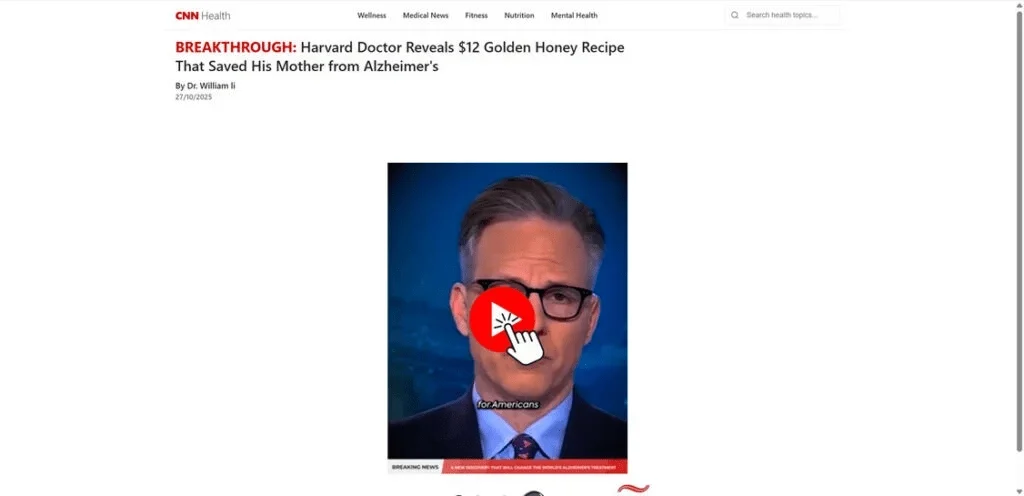
After clicking, you may land on a page that looks like a health report.
It may include:
- a dramatic headline
- a recent date
- fake comments
- “as seen on” logos
- before-and-after images
- staged customer stories
- repeated “claim your bottle” buttons
The page may look informational, but its job is to sell.
Every section pushes you closer to checkout.
Step 5: The funnel creates urgency
The page may show:
- countdown timers
- “limited stock” warnings
- “discount ends today”
- “people watching now”
- popups claiming someone just ordered
These are pressure tools.
They are designed to stop you from searching the product name, checking Dr. Ashton’s real statements, or reading the checkout terms.
Step 6: The offer pushes multi-bottle bundles
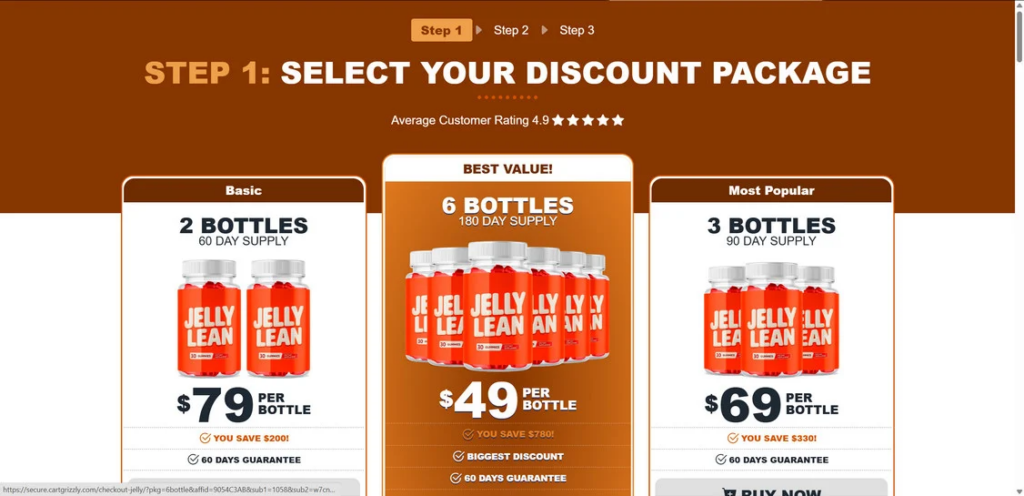
The sales page usually presents several package options:
- 1 bottle at a high price
- 3 bottles as the popular choice
- 6 bottles as the best value
The larger package is made to feel like the smart decision.
But if the ad is built on a fake endorsement, buying more only increases the loss.
Step 7: Checkout can hide the real cost
This is where many buyers get trapped.
The checkout page may include:
- pre-selected quantities
- add-ons
- hidden shipping fees
- upsells after payment details are entered
- refill subscription terms
- unclear cancellation rules
A buyer may think they made a one-time purchase, then see another charge weeks later.
Step 8: Refunds become difficult
After the purchase, the smooth sales experience often disappears.
Customers may run into:
- slow email replies
- no clear phone support
- partial refund offers
- strict return windows
- unclear return addresses
- repeated billing after cancellation attempts
This is why fast action matters.
What To Do If You Bought From This Scam
1) Save evidence immediately
Take screenshots of:
- the ad
- the video
- the landing page
- the product page
- the checkout total
- the terms and conditions
- your confirmation email
- your bank or card statement
Scam pages can change or disappear quickly.
2) Check what you were charged
Compare the advertised price with your statement.
Look for:
- higher totals than expected
- duplicate charges
- split charges
- hidden shipping fees
- unfamiliar merchant names
3) Search for subscription terms
Check your confirmation email and seller terms for:
- autoship
- subscription
- membership
- monthly
- refill
- continuity
- next shipment
If you see those words, act quickly.
4) Cancel in writing
Email the seller and clearly state:
- your full name
- the email used for the order
- your order number
- cancel any subscription
- stop all future charges
- send written confirmation
Keep the email as proof.
5) Contact your bank or card issuer
If the charge looks wrong or repeat billing appears, call your card provider.
Ask about:
- disputing the charge
- blocking future charges
- replacing the card if needed
- documenting the transaction as deceptive or unauthorized
Do not wait if another charge appears.
6) Monitor your statement for at least 60 days
Watch for:
- monthly refill charges
- new merchant names
- small test charges
- shipping fees
- repeat transactions
Some rebills appear weeks later.
7) Stop using the product if you feel unwell
If you took the supplement and felt side effects, stop using it and seek medical guidance.
This is especially important if you have:
- heart disease
- high blood pressure
- diabetes
- kidney disease
- liver disease
- anxiety or stimulant sensitivity
- prescription medication use
8) Report the fake endorsement
Report the ad on the platform where you saw it.
Use categories like:
- scam
- fake endorsement
- impersonation
- misleading health claim
- AI-generated deception
- suspicious supplement
The Bottom Line
The Dr. Jennifer Ashton weight loss supplements scam is not a real medical recommendation.
It is a deceptive ad funnel that uses her name, image, or likeness to sell gummies, pills, drops, or capsules she has not endorsed.
The strongest warning signs are clear: fake doctor clips, miracle weight loss promises, medical-looking sales pages, countdown timers, bundle pressure, and possible refill subscriptions.
If you already bought, focus on protection now. Save evidence, cancel in writing, watch your card statement, and contact your bank if charges look deceptive.
FAQ
What is the Dr. Jennifer Ashton weight loss supplements scam?
It is a deceptive ad campaign that uses Dr. Jennifer Ashton’s name, image, or likeness to promote weight loss gummies, pills, drops, or “fat-burning” supplements she has not endorsed.
Did Dr. Jennifer Ashton really endorse these supplements?
No credible evidence shows that Dr. Jennifer Ashton endorsed these products. Many ads use fake clips, edited images, AI-generated audio, or misleading captions to create false trust.
Why do scammers use Dr. Jennifer Ashton’s name?
They use her medical reputation to make the product look safe, legitimate, and doctor-approved. The fake endorsement is the hook that gets people to click and buy.
What products are usually promoted in these ads?
The product names change often. These funnels may promote keto gummies, BHB capsules, weight loss pills, metabolism drops, gelatin trick supplements, detox formulas, or “natural GLP-1” products.
Are the weight loss claims real?
Claims like “melt belly fat,” “lose weight without dieting,” “activate GLP-1 naturally,” or “burn fat while you sleep” are major red flags. They are marketing claims, not proof.
Why do the ads look like news reports or TV segments?
That format is used to create credibility. A fake health report or TV-style clip can make the product feel legitimate even when it is just an advertisement.
Are AI-generated doctor videos common in these scams?
Yes. Many modern supplement scams use AI voices, edited footage, or fake interview clips to make it look like a trusted doctor is endorsing a product.
How do people end up with unwanted charges?
Checkout pages may include pre-selected quantities, upsells, hidden shipping fees, or refill subscription terms. Some buyers think they made a one-time purchase but later see repeat charges.
What should I do if I already bought?
Save screenshots and receipts, check for subscription terms, email the seller to cancel in writing, monitor your card statement, and contact your bank if charges look wrong or repeat billing appears.
How can I avoid similar scams?
Do not trust ads that rely on fake doctor endorsements, miracle weight loss claims, countdown timers, fake news-style pages, or “limited-time” supplement offers.









I’m one of those people who got scammed. I even sent the drops back & they lied about getting a refund. I she is really a doctor she ought to lose her license. People like her prey on people who physically need to lose weight. Unfortunately, there are too many people like her that a crooks. It’s a sad world out there.
Sorry this happened to you. Many of these ads are designed to exploit insecurities and health concerns using fake endorsements, AI-generated videos, and exaggerated promises. Sharing your experience may help others avoid falling into the same trap.