

The Melissa McCarthy weight loss supplements scam is another version of a familiar celebrity diet-pill funnel.
The ads use her name, image, or weight loss story to make gummies, pills, drops, or “fat-burning” formulas look trustworthy. Some pages claim she used a secret supplement. Others frame it as a TV-style reveal, fake article, or limited-time offer.
But the structure is usually the same: fake celebrity credibility, dramatic weight loss promises, and a checkout page that can lead to overpriced bottles, upsells, or unwanted refill subscriptions.
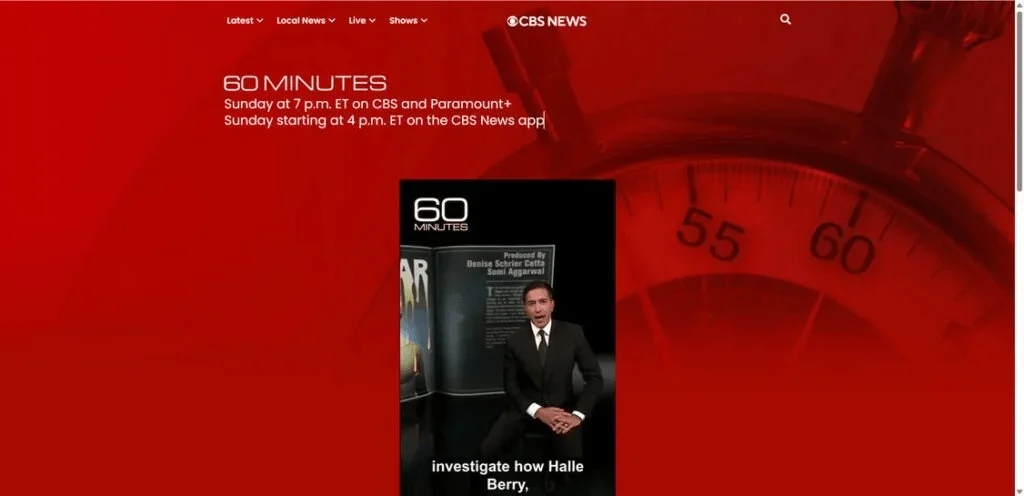
Scam Overview
Melissa McCarthy’s name has been misused in diet pill and weight loss supplement ads for years.
The scam usually starts with a claim that she lost weight using a specific pill, gummy, capsule, keto product, or metabolism booster. The ad may show a before-and-after photo, a fake interview, or a fake news-style article claiming her “secret” has finally been revealed.
That is the bait.
The goal is not to tell the truth about Melissa McCarthy’s health or fitness. The goal is to borrow her public image so the product feels safer and more believable.
Fake celebrity diet pill promotions have used names like Melissa McCarthy in the past, including fake CNN-style pages and exaggerated transformation claims.
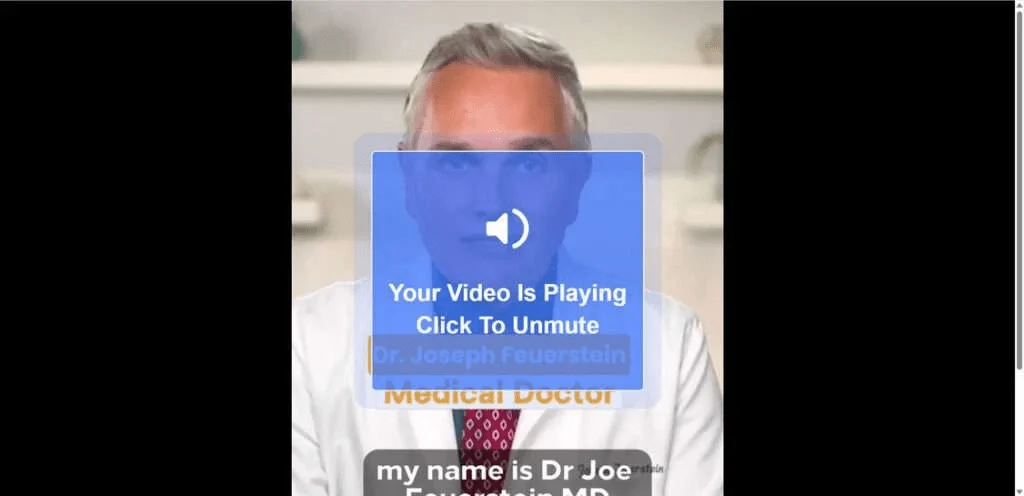
The endorsement is the hook
Most people do not click because they trust a random supplement brand.
They click because they recognize the celebrity.
That is why these pages often say things like:
- “Melissa McCarthy’s weight loss secret”
- “The supplement behind her transformation”
- “Hollywood weight loss formula”
- “Doctors are stunned”
- “Limited bottles available”
- “As seen on TV”
The ad tries to make you think the product has already been validated by someone famous.
But seeing a celebrity name in an ad does not mean that person endorsed the product. Scammers now use fake celebrity and influencer endorsements, including doctored video and audio that can look and sound real.
The product name changes constantly
The scam is rarely tied to one fixed product.
The same style of ad can promote:
- keto gummies
- apple cider vinegar gummies
- BHB capsules
- metabolism pills
- fat-burning drops
- detox teas
- “natural GLP-1” supplements
- collagen or gelatin formulas
The bottle changes because the funnel is reusable.
Once a product name gets complaints, the operator can relaunch the same ad with a new label, new domain, and new checkout page.
That is why the most important question is not only “What is this product called?”
The better question is:
“Is this being sold through fake celebrity claims and pressure tactics?”
The weight loss claims are the biggest warning sign
These ads usually promise results that sound effortless.
Common claims include:
- “Lose weight without diet or exercise”
- “Melt belly fat fast”
- “Burn fat while you sleep”
- “Drop pounds in days”
- “Activate ketosis instantly”
- “Works for everyone”
- “No lifestyle changes needed”
Those are classic red flags.
Real weight loss is not created by one gummy or one pill. It depends on food intake, activity, medical history, medications, hormones, sleep, stress, and long-term habits.
The FTC warns that weight loss ads promising results without changing habits are false, and it also warns that some products sold this way may harm your health.
Fake news-style pages make the scam look official
Many Melissa McCarthy weight loss supplement ads lead to pages that look like articles.
They may include:
- a fake headline
- a recent date
- a celebrity photo
- a fake interview
- “as seen on” logos
- staged comments
- before-and-after images
- repeated “claim your bottle” buttons
The page may look like entertainment news or a health article, but it is usually an advertorial.
That means it is advertising disguised as content.
The design is meant to lower your guard and make the purchase feel already vetted.
“Natural” does not mean safe
These supplement pages often use soft language to make the product feel harmless.
You may see phrases like:
- natural
- plant-based
- safe
- gentle
- doctor recommended
- lab tested
- made in the USA
- FDA registered facility
- GMP certified
These claims do not prove effectiveness.
They also do not prove safety.
The FDA warns that many products marketed for weight loss, including pills, fat-burning supplements, and teas, are likely to contain dangerous hidden ingredients. The FDA also notes that these products are often falsely advertised as “all-natural” treatments and promoted through social media.
The billing trap is often the real damage
A lot of buyers do not only complain that the product failed.
They complain about the checkout.
Common problems include:
- ordering one bottle and being charged for several
- hidden shipping fees
- upsells that look like required steps
- confusing “free bottle” language
- recurring refill subscriptions
- monthly autoship charges
- merchant names that do not match the product
- slow or unhelpful customer support
- refund requests that go nowhere
This is why these ads are risky even before you evaluate the product itself.
The purchase path is designed to be fast.
The cancellation path is often slow.
How The Scam Works
Step 1: You see a celebrity weight loss ad
The scam usually begins with an ad on Facebook, Instagram, TikTok, YouTube, or a random website.
It may claim Melissa McCarthy used a supplement to lose weight.
The ad may show:
- a before-and-after image
- a fake article headline
- a fake interview clip
- a “limited-time” offer
- a product bottle beside her photo
The purpose is simple: stop the scroll and create instant trust.
Step 2: The ad makes the product feel celebrity-approved
The page may imply that Melissa McCarthy personally used, endorsed, or revealed the supplement.
That claim is the trust trigger.
You are not being asked to judge the product on its own. You are being nudged to trust it because a familiar name appears beside it.
That is exactly how fake endorsement scams work.
Step 3: The click leads to a fake article or sales page
After clicking, you may land on a page that looks like celebrity news or a health report.
It may include:
- a dramatic headline
- a recent date
- fake comments
- staged reviews
- “as seen on” logos
- countdown timers
- “claim your bottle” buttons
The page may feel informative, but its real job is to move you toward checkout.
Step 4: The page tells a dramatic “secret” story
The scam usually claims the supplement is the hidden reason behind a transformation.
It may say ordinary diets failed, but this product changed everything.
That story is built to create hope.
It also avoids the real question:
Where is the proof that this exact supplement works?
Step 5: Fake testimonials create emotional proof
The page may show “real customer” reviews.
Common tactics include:
- first-name-only testimonials
- dramatic weight loss numbers
- copied before-and-after photos
- generic profile pictures
- fake social media comments
These are not reliable evidence.
They are conversion tools.
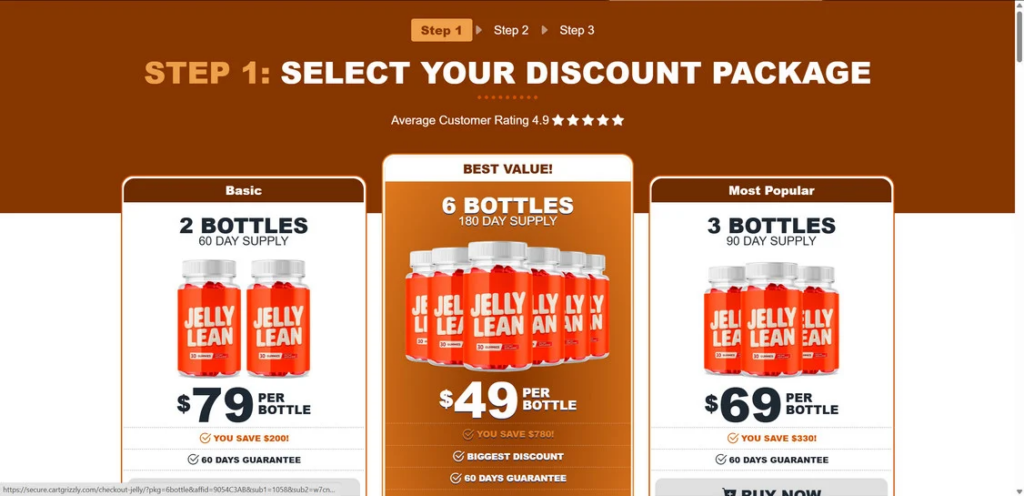
Step 6: The order page pushes bundles
The offer usually gives several options:
- 1 bottle at a high price
- 3 bottles as the popular package
- 6 bottles as the best value
The bigger bundle is designed to feel smarter.
But if the ad is based on a fake celebrity claim, buying more only increases your risk.
Step 7: Urgency makes you rush
The page may show:
- countdown timers
- “limited stock”
- “discount ends today”
- recent purchase popups
- “only a few bottles left”
These tools are meant to stop you from researching.
A legitimate health purchase should not depend on panic.
Step 8: Checkout terms create surprises
This is where many buyers get trapped.
The checkout may include:
- pre-selected quantities
- hidden shipping
- upsells after card details
- unclear refund terms
- refill subscription language
- merchant names that look unfamiliar
A buyer may think they placed a one-time order, then see another charge weeks later.
Step 9: Refunds become difficult
After payment, the smooth sales flow often disappears.
Customers may face:
- slow email support
- no clear phone number
- vague return instructions
- strict refund windows
- partial refund offers
- ignored cancellation requests
This is why acting quickly matters.
What To Do If You Bought From This Scam
1) Save evidence immediately
Take screenshots of:
- the ad
- the landing page
- the product page
- the checkout total
- the terms and conditions
- your confirmation email
- your bank or card statement
Scam pages can change or disappear quickly.
2) Check what you were charged
Compare the advertised price with your card statement.
Look for:
- higher totals
- duplicate charges
- split charges
- hidden shipping fees
- unfamiliar merchant names
3) Search for subscription terms
Check the confirmation email and seller terms for words like:
- subscription
- refill
- autoship
- monthly
- continuity
- membership
- next shipment
If you see these words, act quickly.
4) Cancel in writing
Email the seller and clearly state:
- your full name
- the email used for purchase
- your order number
- cancel any subscription
- stop all future charges
- send written confirmation
Keep the email as proof.
5) Contact your bank or card issuer
If the charge looks wrong or repeat billing appears, call your card provider.
Ask about:
- disputing the charge
- blocking future charges
- replacing the card if needed
- documenting the transaction as deceptive or unauthorized
Do not wait if a second charge appears.
6) Monitor your statement for at least 60 days
Watch for:
- monthly refill charges
- small test charges
- new merchant names
- shipping fees
- duplicate billing
Some rebills appear weeks later.
7) Stop using the product if you feel unwell
If you took the supplement and felt side effects, stop using it and seek medical guidance.
This is especially important if you have:
- heart disease
- high blood pressure
- diabetes
- kidney disease
- liver disease
- anxiety or stimulant sensitivity
- prescription medication use
8) Report the fake endorsement
Report the ad on the platform where you saw it.
Use categories like:
- scam
- fake endorsement
- impersonation
- misleading health claim
- AI-generated deception
- suspicious supplement
The Bottom Line
The Melissa McCarthy weight loss supplements scam is not a real celebrity recommendation.
It is usually a deceptive ad funnel that uses her name, image, or weight loss story to sell gummies, pills, drops, or capsules she has not credibly endorsed.
The strongest warning signs are fake celebrity claims, miracle weight loss promises, fake article pages, bundle pressure, countdown timers, and possible refill subscriptions.
If you already bought, focus on protection now: save evidence, cancel in writing, monitor your statement, and contact your card issuer if charges look deceptive.
FAQ
What is the Melissa McCarthy weight loss supplements scam?
It is a fake celebrity endorsement scam that uses Melissa McCarthy’s name, image, or weight loss story to promote diet pills, gummies, drops, or other supplements she has not credibly endorsed.
Did Melissa McCarthy really endorse these weight loss supplements?
There is no reliable evidence that Melissa McCarthy endorsed the products promoted in these ads. The campaigns often use misleading images, fake articles, or fabricated celebrity claims.
Why do scammers use Melissa McCarthy’s name?
They use her name because she is recognizable and trusted by many people. A celebrity connection makes the product feel more legitimate, even when the endorsement is fake.
What types of products are promoted in these ads?
These funnels may promote keto gummies, apple cider vinegar gummies, metabolism capsules, fat-burning drops, detox formulas, BHB pills, or “natural GLP-1” style supplements.
Are the before-and-after photos real?
Often, they are not reliable. Scam pages may use old photos, stock images, edited images, or unrelated celebrity pictures to create a false transformation story.
What are the biggest warning signs?
Major red flags include fake celebrity endorsements, “lose weight without diet or exercise” claims, fake news-style pages, countdown timers, multi-bottle bundles, and unclear refill subscription terms.
Why do these supplement names keep changing?
The product name changes because the funnel is reusable. Once one brand gets complaints, the same scam can relaunch with a new label, new domain, and similar ads.
Can these supplements cause unwanted charges?
Yes. Many buyers report hidden upsells, higher-than-expected totals, recurring refill subscriptions, or merchant names that do not match the product they thought they ordered.
What should I do if I already bought?
Save screenshots and receipts, check for subscription terms, email the seller to cancel in writing, monitor your card statement, and contact your bank if charges look wrong or repeat billing appears.
How can I avoid similar celebrity supplement scams?
Do not trust ads that rely on celebrity weight loss stories, miracle results, fake interviews, “limited-time” pressure, or supplement offers that push you to buy before researching.








