

Buying a puppy online can seem like a convenient and heartwarming experience—but scammers know exactly how to exploit that excitement. A growing number of fake breeder websites like Joyfullabradorretrieverpurebred.com are designed to trick potential pet owners into sending money for dogs that do not exist.
This detailed guide exposes how the Joyfullabradorretrieverpurebred.com puppy scam works, the red flags to watch out for, and what you can do if you’ve already fallen victim. If you’re considering buying a puppy online, reading this may save you from financial loss and emotional distress.
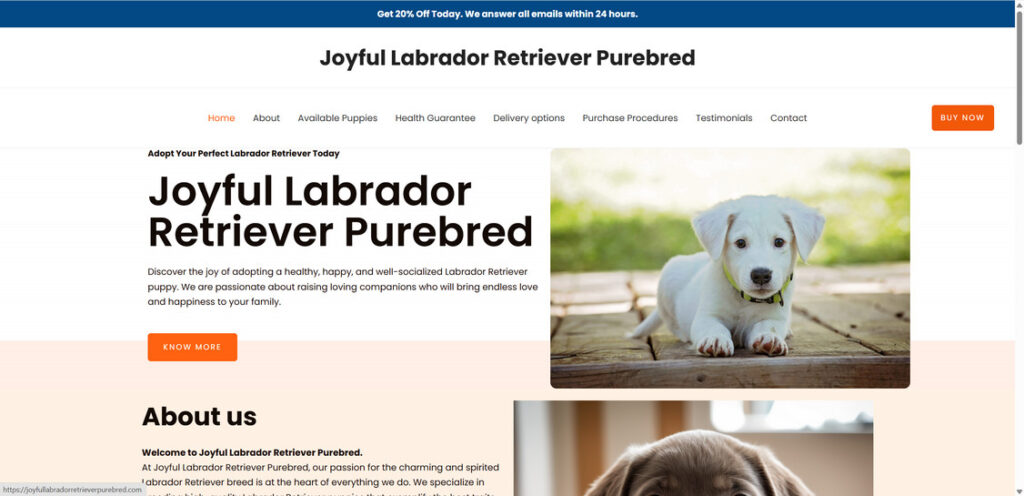
Scam Overview
The Joyfullabradorretrieverpurebred.com scam follows a pattern that has become increasingly common in recent years. Scammers create professional-looking breeder websites with photos, testimonials, and even fake certificates to make everything look legitimate. They often target popular dog breeds like Labradors, Dachshunds, French Bulldogs, Golden Retrievers, and Yorkies—breeds that are in high demand.
Most of these scam sites are structured to mimic real, reputable breeders. They include sections like “Available Puppies,” “About Us,” and “Contact,” giving the illusion of a trusted business. They may also display stock images of adorable puppies, fake shipping policies, and counterfeit registration documents to build trust quickly.
Key elements commonly found on Joyfullabradorretrieverpurebred.com:
- Stock or stolen images of puppies from other legitimate breeder sites or social media accounts.
- Fake registration or health guarantee certificates to increase credibility.
- Unrealistically low prices for purebred or rare breed puppies.
- Poor grammar, vague details, and suspicious payment instructions.
- A lack of verifiable information about location, licenses, or real owners.
- High-pressure tactics like “only one puppy left” or “many interested buyers.”
Unlike real breeders who invite buyers to visit in person or verify credentials, Joyfullabradorretrieverpurebred.com never allows direct interaction with the puppy or the supposed location. All communication happens through email, chat apps, or messaging platforms, making it easier for the scammer to disappear once payment is received.
Victims who fall for this scam often report similar experiences: they transfer money through wire transfer, PayPal “Friends and Family,” or cryptocurrency and then receive excuses about shipping delays, additional costs, or no response at all. In many cases, the website vanishes entirely after enough victims have been scammed.
Scammers behind Joyfullabradorretrieverpurebred.com operate internationally, often using fake addresses, burner emails, and temporary domains. These sites are usually registered recently and disappear quickly, only to reappear under different names.
How The Scam Works
Understanding how the Joyfullabradorretrieverpurebred.com puppy scam works step by step can help prevent others from becoming victims.
1. Creating a Convincing Fake Breeder Website
The scammers build a polished website using templates that look professional. They fill it with stolen puppy photos, made-up pedigrees, and testimonials from fake “buyers.” They claim to be registered breeders or small family-run kennels. Everything is designed to look friendly, trustworthy, and real.
2. Luring Potential Buyers
Scammers then list fake puppies at prices that seem like a great deal. The listings often appear in Google searches, Facebook groups, Instagram posts, or pet listing directories. Anyone searching for a puppy of a specific breed might stumble upon Joyfullabradorretrieverpurebred.com and think they’ve found a bargain.
They use emotional manipulation—adorable photos, promises of home delivery, “health guarantees,” and phrases like “raised in a loving family home”—to gain trust.
3. Fast and Personal Communication
Once contacted, scammers respond quickly and warmly, often pretending to be passionate dog lovers. They claim the puppy is “ready to go” or “already vaccinated” and ask for personal details to appear legitimate. They may even send more stolen images or fake videos of the puppy.
They will avoid phone or video calls that could expose them. Communication typically happens through email, WhatsApp, Telegram, or text messages.
4. Payment Requests
After a short exchange, the scammer pushes for payment. They often request:
- Bank transfers or wire transfers.
- PayPal “Friends and Family” payments.
- Prepaid gift cards or cryptocurrency.
These payment methods offer little or no buyer protection. The scammer might invent shipping fees or veterinary costs to increase the total amount.
5. Fake Shipping or Delivery Phase
Once payment is made, the buyer is told that the puppy is being prepared for transport. Scammers often provide a fake tracking number or link to a fraudulent shipping website. These shipping companies may also ask for additional fees like insurance, crate costs, or temperature regulation—none of which are real.
6. Silence or Endless Excuses
Eventually, the scammer stops replying or continues inventing delays to extract even more money. No puppy is ever delivered. If the victim starts demanding a refund or threatening legal action, the scammer either vanishes or blocks communication.
7. Reappearing Under a New Name
After enough victims have been scammed, the domain Joyfullabradorretrieverpurebred.com may be abandoned or shut down. Shortly after, a nearly identical site will appear under a new name, targeting more unsuspecting buyers.
What To Do If You Have Fallen Victim to This Scam
If you’ve been scammed by Joyfullabradorretrieverpurebred.com, taking quick and strategic action can help minimize your losses and prevent further harm.
1. Contact Your Bank or Payment Provider
- If you paid by credit or debit card, immediately contact your bank to report unauthorized or fraudulent activity.
- Ask to initiate a chargeback or dispute.
- If you used PayPal, file a dispute through the resolution center (note that “Friends and Family” payments are harder to recover).
- If cryptocurrency or gift cards were used, recovery is much more difficult, but reporting can help authorities track patterns.
2. Document Everything
- Save all emails, text messages, WhatsApp conversations, and payment confirmations.
- Take screenshots of the website, puppy listings, and any shipping pages.
- Record the scammer’s contact details (email, phone numbers, social media profiles).
These records can be essential for bank investigations or police reports.
3. File a Police Report
- Contact your local law enforcement and provide all evidence.
- Even if they can’t recover the funds immediately, reporting helps build cases against large scam networks.
4. Report the Scam to Consumer Protection Agencies
- In the U.S., file a complaint at reportfraud.ftc.gov.
- If you are outside the U.S., contact your national consumer protection authority.
- You can also submit the scam to IC3 (Internet Crime Complaint Center) or Europol depending on your location.
5. Report the Website
- Report Joyfullabradorretrieverpurebred.com to the domain registrar or hosting provider.
- Flag the site on Google Safe Browsing.
- Inform platforms where you found the listing (Facebook, Instagram, classified ads) so it can be removed.
6. Warn Others
- Share your experience on scam reporting forums, consumer alert sites, and local pet communities.
- The more awareness is spread, the harder it is for scammers to find new victims.
7. Monitor Your Accounts for Further Fraud
- Since scammers may now have personal information, monitor your bank accounts and credit reports for unusual activity.
- Consider placing fraud alerts or freezing credit if sensitive details were shared.
The Bottom Line
The Joyfullabradorretrieverpurebred.com puppy scam is not unique—thousands of similar sites operate at any given time. These scams prey on people’s emotions and love for animals, using cute puppy photos and fake breeder claims to steal money.
Before buying a puppy online:
- Always insist on seeing the puppy in person or through a real-time video call.
- Research the breeder thoroughly, including business licenses and verifiable reviews.
- Be cautious of unrealistic prices, pressure to pay quickly, and breeders who refuse in-person visits.
- Never send money through irreversible payment methods to strangers.
If you’ve already fallen victim, report the scam immediately, document everything, and take steps to protect your finances. The faster you act, the better your chances of limiting the damage.
By recognizing the red flags and spreading awareness, we can make it harder for sites like Joyfullabradorretrieverpurebred.com to continue scamming innocent families. Always verify before you buy—especially when it comes to bringing a new pet into your home.

Reviews & discussion
0 commentsShare a firsthand experience, or ask a question.
Community reviews
joyfullabradorretrieverpurebred.com
Moderated reader experiences, not an editorial verdict.
Start the conversation
Have a question or something useful to share? Add the first comment.