


Leanefy advertises online weight-loss care with prices for four weeks of medication and a consultation. What you get depends on the option you select and the clinician’s decision.
The harder part to price is an appointment that does not happen, or an evaluation that ends without a prescription. The site’s own pages give different answers about refunds.
Overview
The offer is for telehealth, not a supplement order
Leanefy advertises a medical evaluation and prescription options that include tirzepatide and phentermine. It says a provider reviews a patient’s information before determining whether to prescribe treatment.
The consultation, medication, supply period and dispensing pharmacy are separate parts of the offer. Signing up does not guarantee that a clinician will write a prescription.
The refund difference matters even if you never receive a prescription
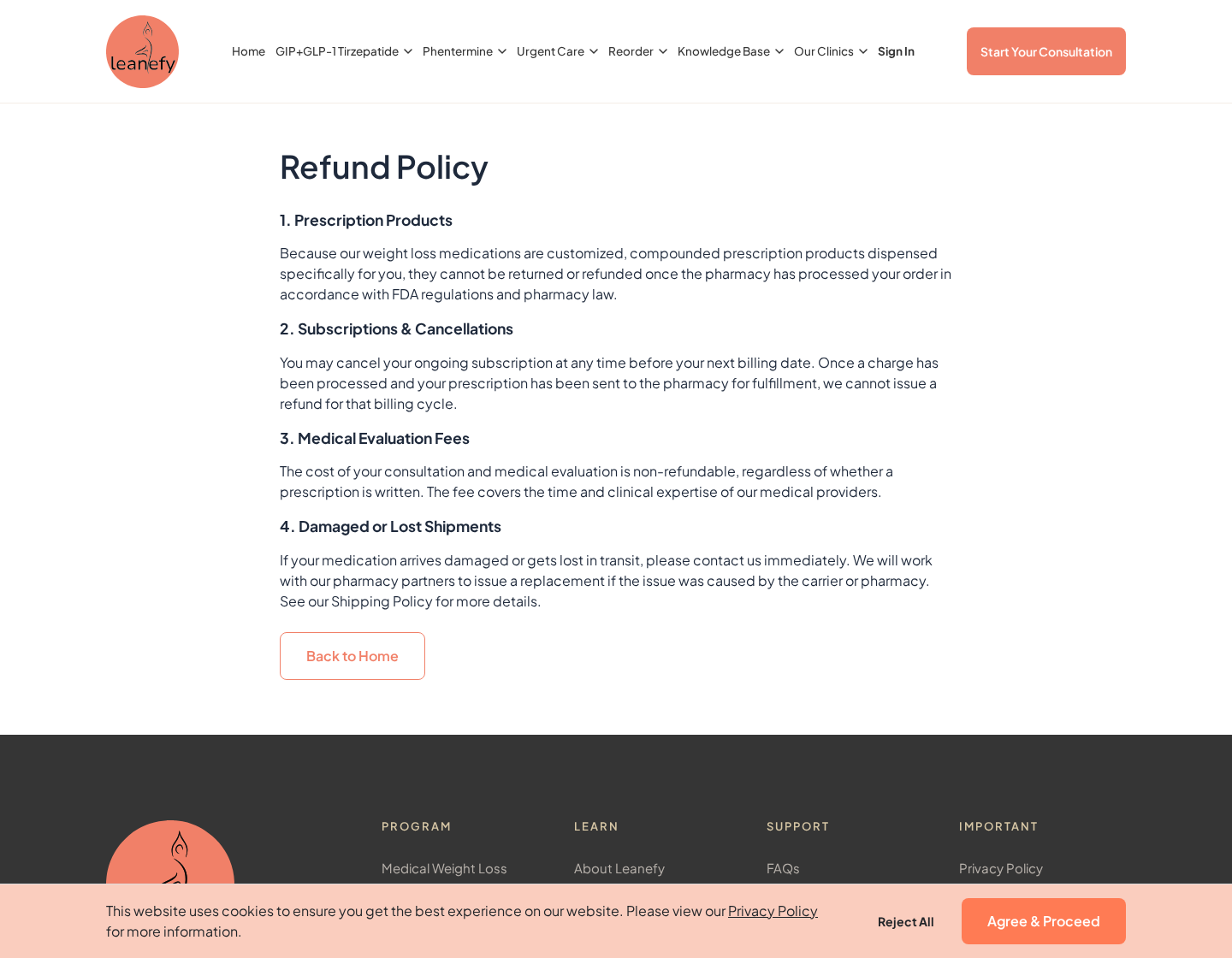
The public homepage FAQ says patients deemed ineligible at their initial consultation receive a full refund. The separate refund policy says the evaluation fee is nonrefundable even without a prescription.
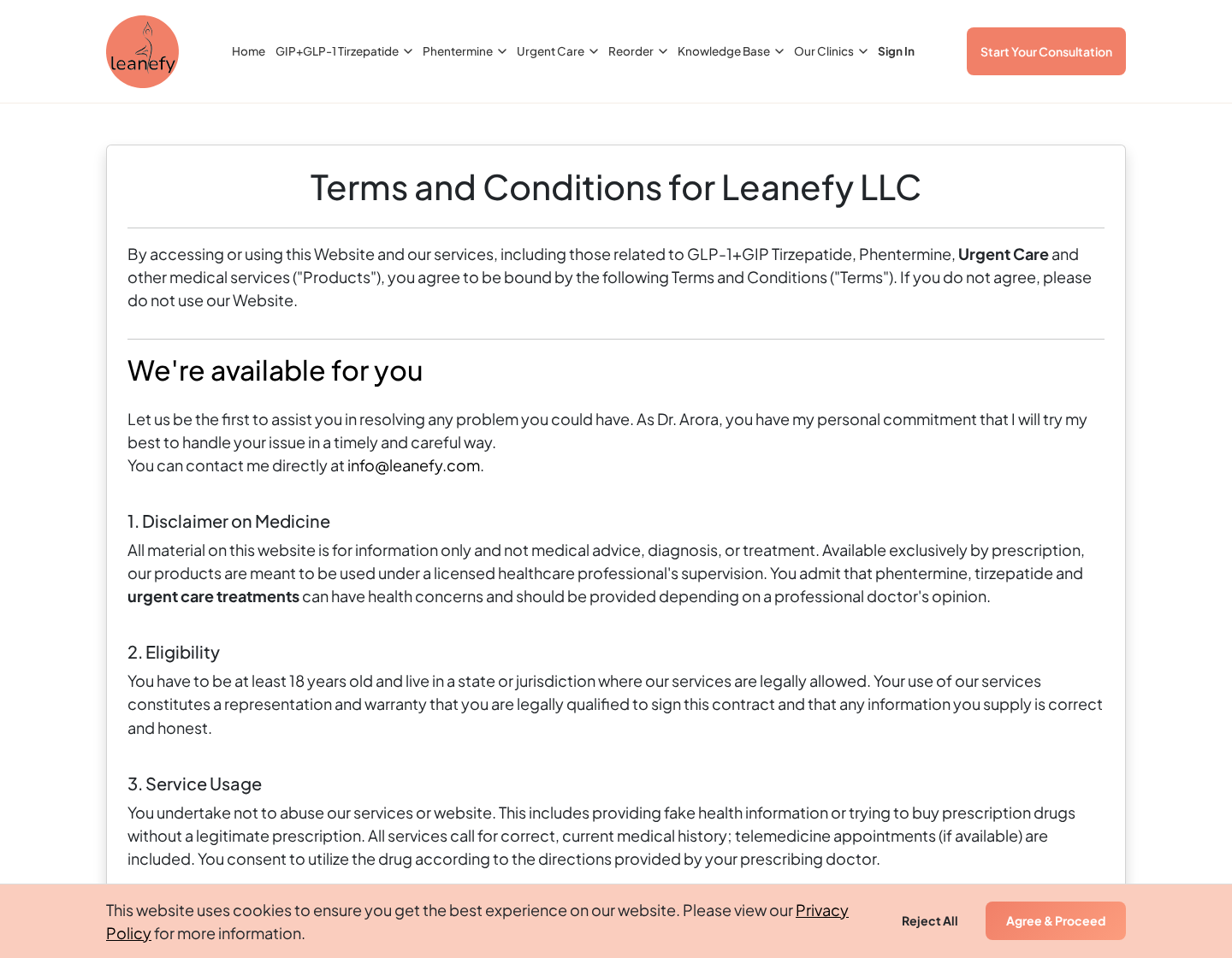
The consent terms introduce a third point: they say patients can cancel a consultation for a full refund before evaluation starts. These are different moments in the process.
Ineligibility after assessment, a patient canceling before assessment and a provider failing to join are not interchangeable. Ask which rule applies to the outcome you are concerned about.
What to establish before booking
- Ask whether the amount shown includes the consultation and any separately charged pharmacy costs.
- Ask which amount is refundable if no clinician joins, you cancel early or the clinician declines to prescribe.
- Confirm the exact medication and the licensed pharmacy that will dispense it.
- Get the amount, next billing date and cancellation method if the option is recurring.
These differences justify getting a written answer before paying. They do not establish that every charge is unauthorized or that medical evaluations are never performed.
How the Leanefy Offer Moves From Price to Treatment
Step 1: Identify what the starting price actually buys
The homepage shows tirzepatide starting at $268 per four weeks and phentermine starting at $105. It separately advertises a $125 phentermine option with delivery.
The lower phentermine amount is presented as an option to send a prescription to a pharmacy. That is not the same as a package that includes a shipped supply.
Do not compare them as if both included the same medication and services. Check whether the destination pharmacy would charge separately and whether delivery is part of your option.
Step 2: Separate the intake from the evaluation
The homepage first asks potential patients to choose a treatment category and complete a medical intake. It then describes review by a licensed medical provider.
Entering a health history is not itself proof that the clinician has evaluated it. Find out how and when the evaluation is confirmed, especially if an appointment is involved.
Before paying, ask what happens if the appointment cannot be completed. Save the booking confirmation and any stated arrival window so you can establish whether a visit took place.
Step 3: Get the prescription and fulfillment details separately
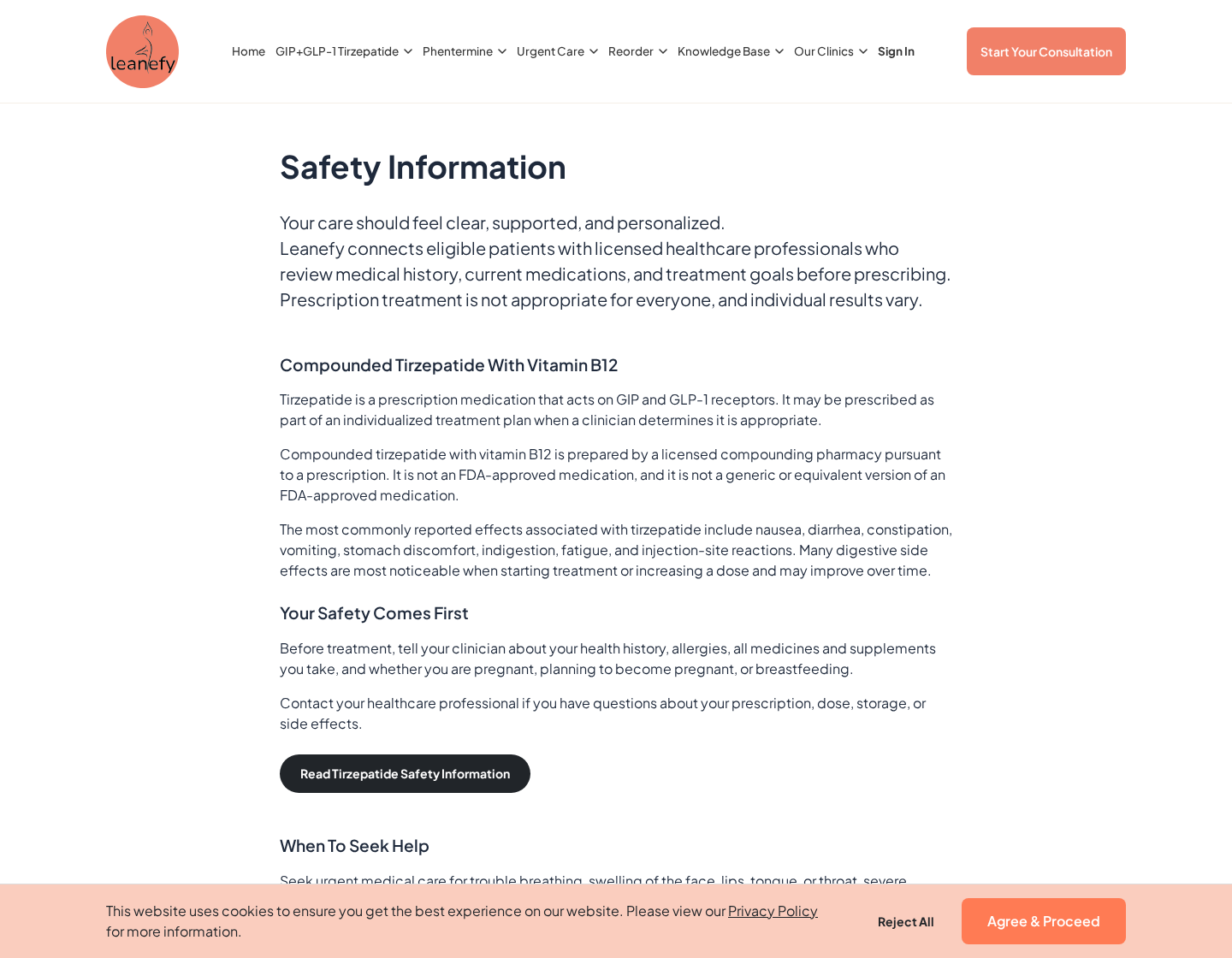
Leanefy describes both compounded and brand-name options, depending on eligibility and preference. Its safety page specifically discusses a compounded tirzepatide formulation with vitamin B12.
A study on an approved product does not establish identical results for the formulation offered here. Get the actual product details from the clinician who would prescribe it.
Ask the prescriber for the pharmacy’s exact legal name and contact details before agreeing to have an order filled. A general reference to a partner network is not enough.
Step 4: Find out whether another billing cycle can start
The homepage says there is no mandatory membership fee. The separate policy nevertheless describes an ongoing subscription and states it can be canceled before the next billing date.
A membership charge and recurring treatment billing are different things. The refund policy addresses renewals, but it does not establish that the option you selected renews.
The separate tirzepatide sales page describes the service as pay-as-you-go and says it is not a subscription service. It directs patients to a secure portal to cancel.
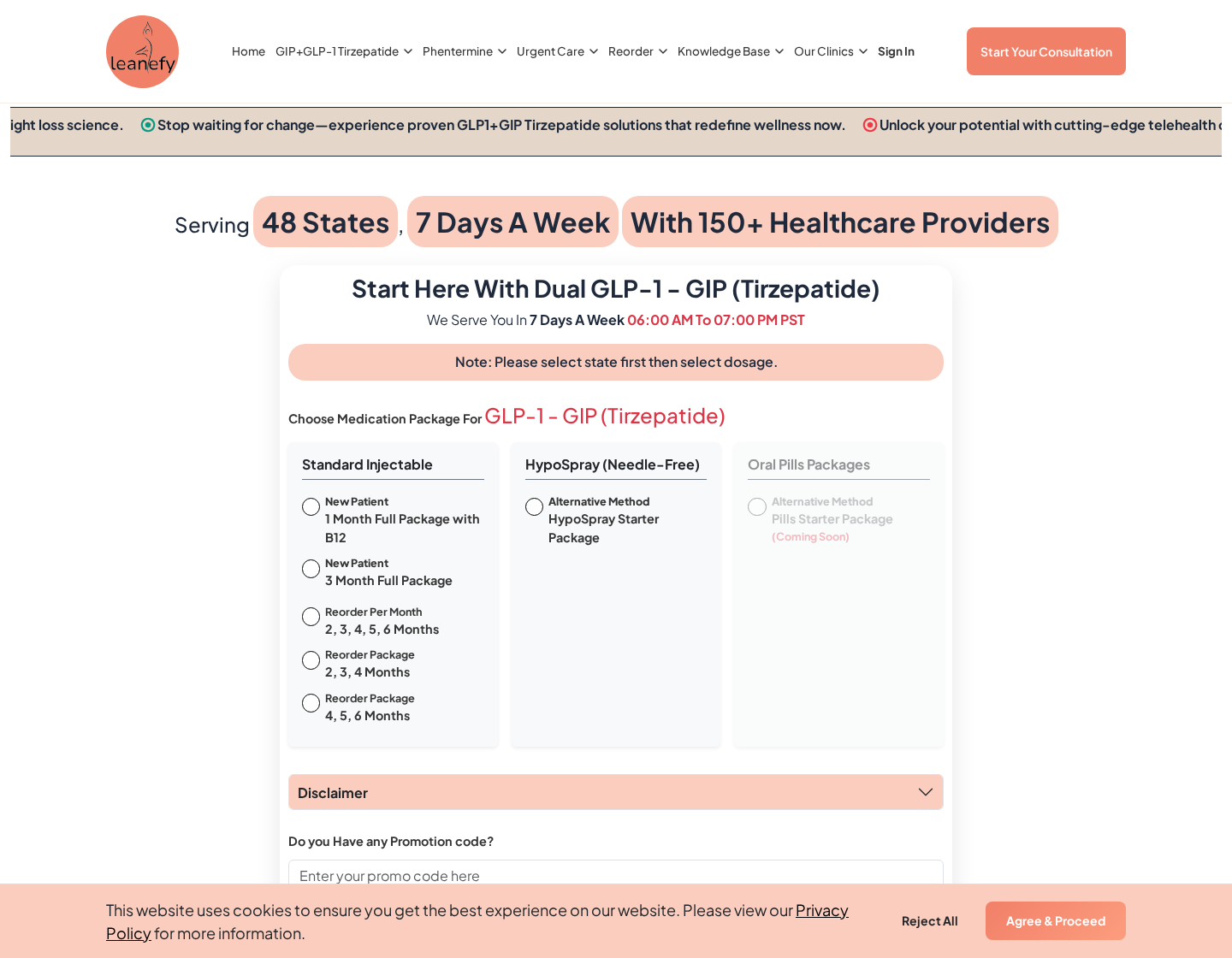
The public intake screen shows both new-patient packages and reorder options. Those choices establish that several paths are available, not how or whether a specific package renews.
Before completing intake, look for a specific price, billing date and cancellation method in your own offer. Ask for those details if they are not visible.
Which Refund Applies If No Prescription Is Issued?
The FAQ’s ineligibility promise addresses a decision at the initial consultation. The separate policy treats medical evaluation fees as nonrefundable regardless of whether a prescription is written.
Those statements could relate to different charges or offers. The pages do not show how a customer should reconcile them for the choice they have selected.
The tirzepatide sales page advertises no separate consultation fee, while its comparison table treats consultation as included. The refund policy does not identify an evaluation amount for that offer.
For example, a full refund could mean the entire payment or only the portion allocated to medication. Request an itemized answer before the initial payment goes through.
Test the policy against three outcomes, not one blanket promise
If you cancel before review begins, capture both the cancellation time and the policy that was available at booking. Ask how the provider defines the start of evaluation.
If the provider performs a consultation but decides not to prescribe, the issue is the promised refund for ineligibility. Ask if the clinician marked the appointment completed.
If there was no consultation, ask whether the charge is payment for an unperformed service. Do not accept a chart note or pharmacy status as a substitute for an explanation.
A missed appointment is not the same as a completed assessment
When the promised provider does not join, the most useful record is what actually happened: the appointment time, your arrival time and your messages asking for help.
Ask whether your record shows a completed visit, a no-show or a merchant cancellation. If it is incorrect, ask for a correction and written confirmation about the charge.
When a clinician did review your history but declined a prescription, request a receipt that separates the evaluation from the medication. The next question is which published policy covers each.
The consent terms use a different cancellation milestone
Leanefy’s general consent terms say an appointment may be canceled for a complete refund before the evaluation starts. That is distinct from canceling a later treatment cycle.
The refund policy says a processed cycle cannot be refunded once the prescription has been sent to the pharmacy. Ask for the timestamp if a cancellation and the charge overlap.
Do not assume that a refill cancellation also reverses the first payment. Ask for separate confirmation of whether future charges stopped and whether a refund was approved.
Provider, Pharmacy and Billing Checks
Leanefy names a business, but treating roles still matter
The site’s terms identify Leanefy LLC and its marketing describes a clinical network. The company taking payment and the clinician or pharmacy involved in treatment have different roles.
For your own transaction, look for the company descriptor on the receipt and the treating clinician’s name on the appointment record. Do not infer both from a logo.
Confirm the clinician and pharmacy in your state
Ask which professional will evaluate you, then check that individual against the licensing board appropriate to the profession and state. Compare the full name and active status.
Use the FDA’s state pharmacy verification tools to match the pharmacy’s name and licensed address. Contact the pharmacy independently if a prescription was sent.
Distinguish pharmacy standards from the status of a formulation
The site’s safety page says its compounded tirzepatide with vitamin B12 is not an FDA-approved drug. A pharmacy’s registration or inspection cannot turn that product into an approved equivalent.
The FDA’s guidance on unapproved GLP-1 drugs explains the risks. Discuss the reason for compounding with a licensed clinician rather than switching treatments based on a sales page.
Get the cancellation procedure for the exact offer
Ask whether you need to submit a form, use a patient portal or send a written request. Which route applies matters more than a broad promise that cancellation is available.
Keep the confirmation number, date and the name of the support channel. If you did not receive confirmation, do not assume a closed browser tab ended billing.
Compare the Total for the First Four Weeks
Write down what you were quoted for the initial review, medication and shipping. Do the same for follow-up charges if a second cycle is available.
The homepage describes out-of-pocket consultations and says medication coverage depends on insurance. Treat insurance reimbursement and any advertised cash price as separate questions.
A price listed per four weeks is not necessarily the amount charged in a calendar month. Check the number of days between scheduled payments and whether renewal is automatic.
If you chose a prescription sent to a local pharmacy, ask the pharmacy for the amount it would charge. The telehealth payment may not settle the final cost.
Ask for a receipt that you can use after closing the browser. It should make it possible to distinguish the service you bought from medication that might be dispensed later.
Questions Worth Getting Answered in Writing
Start with the outcome you most need to protect against. For some people it is a missed appointment; for others it is paying for a prescription the pharmacy cannot fill.
Ask if the payment is an authorization or a completed charge. If the company says it will release a hold, ask when it will do so and monitor your account.
If a provider needs more information before deciding, ask whether the evaluation remains open and whether any further charge needs your approval. Keep the reply with the original price.
Confirm the pharmacy and its delivery area before counting on a shipment. If the prescription goes unfilled, ask the clinician or pharmacy why before disputing payment.
If a prescription was sent but a package never arrived, request the shipment date and contact the dispensing pharmacy. Separate missing delivery from the decision about whether to prescribe.
The refund page says the service will work with pharmacy partners on lost or damaged shipments. Save the tracking status and ask what remedy applies rather than assuming a refund.
If you paid for both the visit and medication, specify which charge you dispute. A missing package does not mean the clinician failed to attend your appointment.
What to Do If You Paid Leanefy
-
Save the price, refund promise, booking confirmation and itemized receipt. Keep a private timeline of whether you only completed intake, attended an evaluation or were issued a prescription.
Take copies of pertinent statements before they change. Keep prescription documents and health histories out of public posts or review comments.
-
For a missed visit, write with the date and explain who did not join. Request a booking correction and ask whether the consultation fee will be returned.
If a message only says the case was escalated, ask for a decision, a response date and the reference for that particular appointment.
-
When a clinician declined to prescribe, ask for written confirmation that no order was sent to the pharmacy. Point to the ineligibility promise and request an itemized refund decision.
If support cites the nonrefundable evaluation fee instead, ask for the amount and the applicable terms from the screen where you agreed to pay.
-
If you do not want another cycle, request cancellation through the contact route on your receipt or authenticated account. Ask for the effective date and whether another charge is pending.
Check the next statement and keep confirmation. Stopping billing is a separate action from changing a medication plan, which should be discussed with your clinician.
-
If the seller does not resolve a charge for a service you did not receive, ask your payment provider about dispute options and the relevant deadline.
Describe whether you authorized the charge. A payment you approved for a missed appointment is different from an unfamiliar transaction you did not make.
Frequently Asked Questions
Does Leanefy promise a refund if I am ineligible?
The homepage FAQ does, but the refund policy separately says the evaluation fee is nonrefundable even without a prescription. Ask which amounts that promise covers for your offer.
Is the $105 phentermine option a delivered medication package?
The homepage distinguishes the starting prescription-to-pharmacy option from a $125 advertised package with delivery. Confirm what the pharmacy may charge before comparing the two.
Does no membership fee mean there is no recurring billing?
That is not guaranteed for every option. Leanefy’s refund policy addresses subscriptions, so verify your renewal schedule and cancellation conditions rather than relying on the homepage phrase.
Is the compounded tirzepatide described by Leanefy FDA approved?
The site’s safety page says the compounded formulation it describes is not FDA approved. That answer does not cover separately prescribed brand-name medication.
Does a missed appointment mean the consultation fee is lost?
The public pages do not give a clear rule for that exact scenario. Ask for the appointment status, the applicable policy and the decision in writing.
Can I cancel after a prescription goes to the pharmacy?
You can ask to stop future billing, but the policy limits refunds for processed cycles sent to the pharmacy. Confirm both the refund decision and the cancellation date.
The Bottom Line
Do not pay for Leanefy until you have written terms for a missed evaluation, an ineligibility decision and any renewal. The pages currently give different answers about the initial payment.
If you already paid, separate the appointment from the prescription and the pharmacy order. Ask support for an itemized decision before your payment provider’s dispute window closes.

Join the discussion
0 commentsShare your experience or ask a question about this article.
Community experiences
Did this happen to you?
Your experience could help someone recognize the same scam. Submit a private report for our team to review.
I experienced this tooReports are reviewed before publication. Sharing publicly is always your choice.
Discussion
Start the conversation
Have a question or something useful to share? Add the first comment.