

Lenovo is a well-known brand in the world of technology, particularly for its laptops and desktop computers. One of the features that come pre-installed on many Lenovo devices is the Lenovo Auto Scroll Utility. This utility is designed to enhance the scrolling experience on Lenovo laptops and make it more convenient for users. However, some users may wonder if they should remove this utility from their devices. In this article, we will explore what the Lenovo Auto Scroll Utility is, how it works, and whether or not you should consider removing it.
What is the Lenovo Auto Scroll Utility?
The Lenovo Auto Scroll Utility is a software program developed by Lenovo that allows users to scroll through documents, web pages, and other content using various methods. It provides additional scrolling options beyond the traditional touchpad or mouse scroll wheel. This utility is typically found on Lenovo laptops and can be accessed through the Windows Control Panel or the Lenovo Vantage software.
The Auto Scroll Utility offers several scrolling methods, including:
- Auto Scroll: This feature allows users to scroll by moving the cursor to the edge of the screen. It automatically scrolls in the direction of the cursor movement.
- Click-to-Scroll: With this method, users can click and hold the middle mouse button to scroll. Moving the mouse up or down will scroll the content accordingly.
- Auto Scroll Zone: This feature divides the touchpad into different zones. Users can scroll by moving their finger in the designated zone.
These additional scrolling options can be useful for users who prefer alternative methods of scrolling or have difficulty using traditional touchpad or mouse scroll wheels.
Should I Remove the Lenovo Auto Scroll Utility?
Whether or not you should remove the Lenovo Auto Scroll Utility depends on your personal preferences and usage patterns. Here are a few factors to consider:
1. Scrolling Preferences
If you are satisfied with the default scrolling options provided by your touchpad or mouse, you may not find the Lenovo Auto Scroll Utility necessary. However, if you prefer alternative scrolling methods or find them more convenient, you may want to keep the utility installed.
2. System Performance
Some users may be concerned about the impact of the Lenovo Auto Scroll Utility on system performance. While the utility itself is lightweight and should not significantly affect system resources, if you have an older or low-spec device, removing unnecessary software can help improve overall performance.
3. Personalization and Customization
The Lenovo Auto Scroll Utility offers various customization options, allowing users to adjust scrolling speed, sensitivity, and other settings. If you enjoy personalizing your device and fine-tuning your scrolling experience, you may find value in keeping the utility installed.
4. Unwanted Behavior
In some cases, users may experience unwanted behavior or conflicts with other software when using the Lenovo Auto Scroll Utility. If you encounter any issues or find that the utility interferes with your workflow, you may consider removing it.
How to Remove the Lenovo Auto Scroll Utility
If you have decided to remove the Lenovo Auto Scroll Utility from your device, there are a few methods you can use:
1. Windows Control Panel
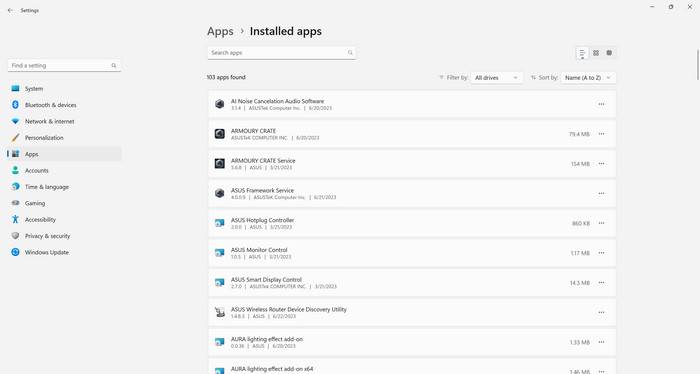
The most straightforward method is to uninstall the utility through the Windows Control Panel. Here’s how:
- Open the Start menu and search for “Control Panel.”
- Click on “Control Panel” to open it.
- Under “Programs,” click on “Uninstall a program.”
- Locate the Lenovo Auto Scroll Utility in the list of installed programs.
- Right-click on it and select “Uninstall.”
- Follow the on-screen prompts to complete the uninstallation process.
2. Third-Party Uninstaller
If you prefer a more thorough uninstallation process, you can use a third-party uninstaller tool like Revo Uninstaller Free. These tools can help remove any leftover files or registry entries associated with the utility, ensuring a clean uninstallation.
Conclusion
The Lenovo Auto Scroll Utility is a software program that provides additional scrolling options for Lenovo laptop users. Whether or not you should remove it depends on your personal preferences, system performance, and usage patterns. If you are satisfied with the default scrolling options and do not require the additional features provided by the utility, you may consider removing it. However, if you prefer alternative scrolling methods or enjoy customizing your scrolling experience, you may find value in keeping the utility installed. Remember to use the Windows Control Panel or a third-party uninstaller tool for a clean and thorough removal process.

Join the discussion
0 commentsShare your experience or ask a question about this article.
Discussion
Start the conversation
Have a question or something useful to share? Add the first comment.