

TOSHIBA Flash Cards Support Utility is a software program developed by TOSHIBA Corporation that is commonly pre-installed on TOSHIBA laptops. It is designed to enhance the user experience by providing quick access to various system functions and settings through customizable keyboard shortcuts. However, some users may question whether they should remove this utility from their systems. In this article, we will explore what the TOSHIBA Flash Cards Support Utility is, its features, potential benefits, and whether it is necessary to keep it installed.
What is TOSHIBA Flash Cards Support Utility?
The TOSHIBA Flash Cards Support Utility is a software program that provides a convenient way to access various system functions and settings on TOSHIBA laptops. It allows users to assign keyboard shortcuts to perform actions such as adjusting screen brightness, controlling audio volume, enabling or disabling Wi-Fi, and launching specific applications.
When installed, the utility creates a small pop-up window that appears when the assigned keyboard shortcut is pressed. This window displays a set of virtual cards representing different functions or settings. Users can then click on these cards to quickly perform the associated action or change the desired setting.
Features and Benefits of TOSHIBA Flash Cards Support Utility
The TOSHIBA Flash Cards Support Utility offers several features and benefits that can enhance the user experience on TOSHIBA laptops:
- Quick Access: The utility provides a convenient way to access frequently used system functions and settings without navigating through multiple menus or windows.
- Customizable Shortcuts: Users can assign their preferred keyboard shortcuts to perform specific actions, allowing for personalized and efficient system control.
- Intuitive Interface: The virtual cards interface is designed to be user-friendly and visually appealing, making it easy for users to identify and select the desired function or setting.
- Time-saving: By eliminating the need to manually navigate through menus or settings, the utility can save users time and effort when performing common tasks.
Should I Remove TOSHIBA Flash Cards Support Utility?
While the TOSHIBA Flash Cards Support Utility offers convenience and quick access to system functions, some users may consider removing it for various reasons:
- Personal Preference: Some users may prefer to use alternative methods or shortcuts to access system functions and settings, such as using the Windows Control Panel or dedicated function keys on the keyboard.
- Resource Usage: Like any software program, the TOSHIBA Flash Cards Support Utility consumes system resources, including memory and processing power. If a user has limited system resources or wants to optimize their system’s performance, removing unnecessary software can be beneficial.
- Compatibility Issues: In some cases, the utility may not be fully compatible with certain software or hardware configurations, leading to conflicts or instability. Removing the utility can help resolve such compatibility issues.
- Security Concerns: Although the TOSHIBA Flash Cards Support Utility is not inherently malicious, some users may have concerns about potential security vulnerabilities or risks associated with any software running in the background. Regularly scanning for malware using Malwarebytes Free or similar security software can help mitigate these concerns.
How to Remove TOSHIBA Flash Cards Support Utility
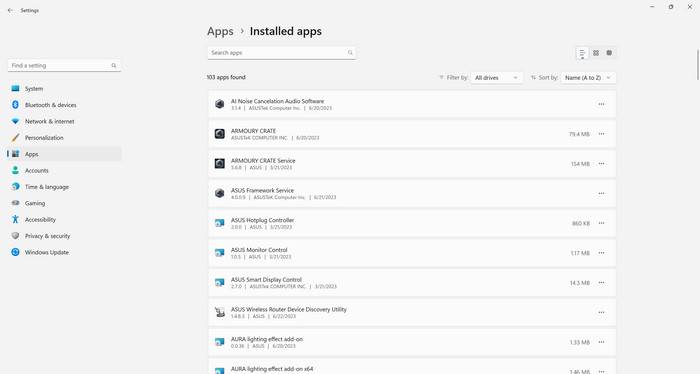
If you have decided to remove the TOSHIBA Flash Cards Support Utility from your system, you can follow these steps:
- Open the Control Panel by searching for it in the Windows Start menu.
- Click on “Programs” or “Programs and Features” (depending on your version of Windows).
- Locate the TOSHIBA Flash Cards Support Utility in the list of installed programs.
- Click on it and select “Uninstall” or “Remove.”
- Follow the on-screen instructions to complete the uninstallation process.
After removing the utility, it is recommended to restart your computer to ensure that all associated files and processes are properly removed.
Conclusion
The TOSHIBA Flash Cards Support Utility offers a convenient way to access system functions and settings on TOSHIBA laptops. It provides quick access, customizable shortcuts, and an intuitive interface. However, whether to remove the utility ultimately depends on personal preference, resource usage, compatibility issues, and security concerns. If you decide to remove it, follow the steps outlined above. Regularly scanning for malware using Malwarebytes Free or similar security software is also recommended to ensure the overall security of your system.

Join the discussion
0 commentsShare your experience or ask a question about this article.
Discussion
Start the conversation
Have a question or something useful to share? Add the first comment.