

The allure of an affordable, easy DIY solution for a perfect smile is undeniably tempting. But with so many products making bold claims these days, it’s wise to approach them with healthy skepticism. In this article, we’ll take an in-depth look at Lonryd SmileFlex veneers to find out if they really deliver or fall short.
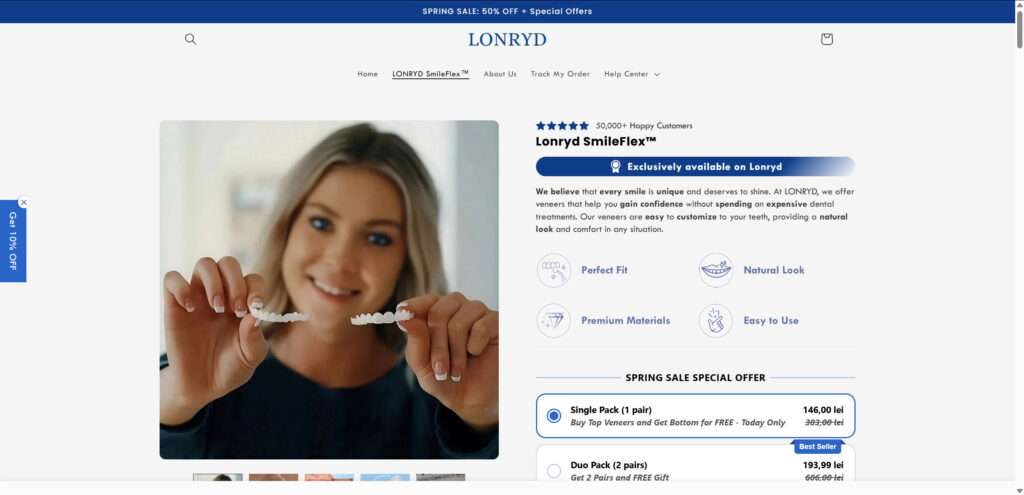
Overview of Lonryd SmileFlex
Lonryd SmileFlex are snap-on plastic veneers that the company claims can give you a natural, beautiful smile in minutes. They market them as a comfortable, customizable alternative to expensive professional veneers and orthodontics.
The veneers come in sets of 20 pieces (10 top, 10 bottom) made from bendable plastic. You’re supposed to be able to mold them to your teeth for a perfect fit. The company promises a natural-looking, brilliant smile instantly.
Investigating the Claims
Before believing the hype, let’s scrutinize Lonryd’s claims and see how they compare to real-world experiences.
“Better Than Expensive Veneers”
Lonryd bills their product as comparable to dental veneers which cost $1,000-$2,500 per tooth. But professional veneers are made from porcelain or composite materials carefully bonded to each tooth. SmileFlex veneers are simply plastic covers. They can’t replicate the durability and seamless look of real veneers.
“Straightens Your Smile”
The ads suggest SmileFlex can align and straighten your teeth like braces. But they only cover teeth – no straightening occurs. Misaligned teeth can prevent proper fitting.
“Comfortable, Custom Fit”
Lonryd promises their flexible veneers mold precisely to your teeth. But multiple negative reviews state the “one size fits all” veneers don’t properly fit various dental shapes.
“Natural-Looking Smile”
The veneers appear bulky and fake looking in user photos. The plastic doesn’t convincingly imitate teeth texture. Most people can easily tell they are artificial.
Questionable Reviews and Advertising
Research reveals some concerning issues with how Lonryd promotes SmileFlex:
- Numerous 5-star reviews on their website appear fake – repetitious, vague, from accounts with minimal activity.
- Before/after photos used in ads belong to other brands, not real Lonryd customers.
- Claiming negative feedback only comes from improper use sounds like an effort to discredit unhappy buyers.
Negative Customer Experiences
Actual buyer complaints reveal a very different reality from the promotions:
- Product looks and feels cheap, doesn’t match appearance in ads.
- Terrible fit, doesn’t mold adequately to teeth. Causes pain, speech issues.
- Company unresponsive to complaints and refund requests.
- Misleading claims of custom impressions – only a one-size product shipped.
- Some report being ignored or given the runaround by customer service when problems arise.
Is Lonryd SmileFlex a Scam?
While “scam” may be a strong word, Lonryd certainly appears misleading. They overhype a substandard product using dubious marketing. Countless disappointed customers report the veneers don’t live up to claims.
The evidence suggests it’s best to avoid Lonryd SmileFlex. There are better solutions for improving your smile, even on a budget. While tempting, these veneers seem prone to problems. You’re likely better off speaking to your dentist about legitimate cosmetic options that actually work.
Safer Alternatives for a Better Smile
If you’re seeking affordable smile upgrades, some safer options to consider include:
Teeth Whitening – Over-the-counter kits under $50 can significantly brighten your smile. Or get professionally whitened for a few hundred dollars.
Dental Bonding – Cosmetic bonding costs $200-$600 per tooth to cover flaws with a natural-looking composite material.
Dental Veneers – While pricey ($925-$2,500 per tooth), real dental veneers are the gold standard, custom-made for your teeth. Some dentists offer payment plans.
Clear Aligners – Companies like SmileDirectClub and Byte offer teeth straightening for less cost than braces. Aligners are removable, convenient and subtle.
Conclusion
Lonryd SmileFlex veneers appear to overpromise and underdeliver. Reviews suggest they are a disappointingly cheap alternative that doesn’t fit or look as advertised. There are better and safer ways to improve your smile that your dentist can recommend. While Lonryd’s DIY veneers may be tempting, they seem risky given the complaints and misleading marketing tactics. Your best bet is to avoid this product and explore proven smile solutions.

Join the discussion
0 commentsShare your experience or ask a question about this article.
Discussion
Start the conversation
Have a question or something useful to share? Add the first comment.