

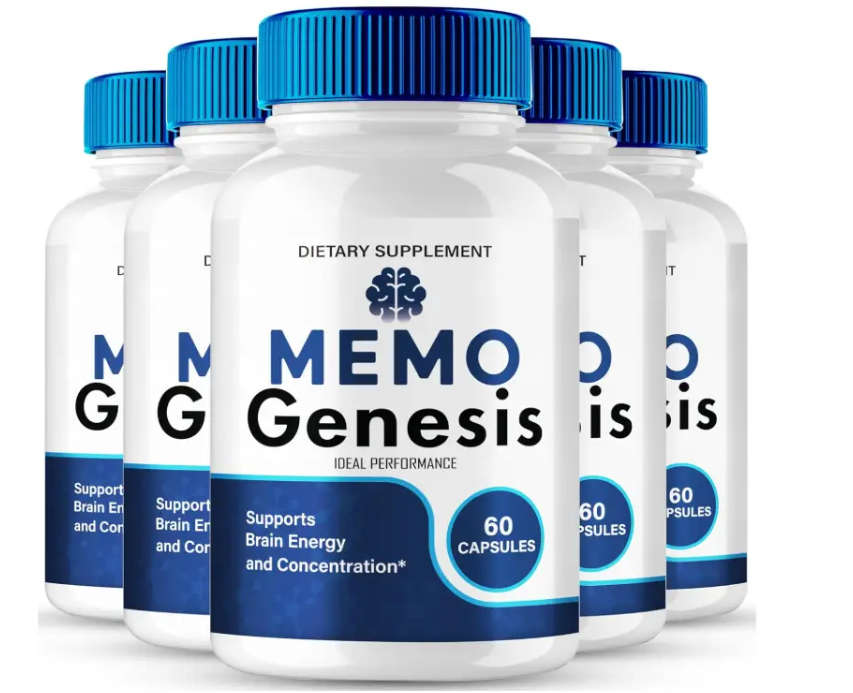
Have you come across ads promoting the Memo Genesis supplement claiming miraculous memory recovery overnight using simple ingredients like honey and spices? Such advertisements flood social media, claiming incredible results supported by seemingly reputable experts. But what’s the truth behind Memo Genesis, and is it a genuine solution or just another well-crafted scam?
Scam Overview
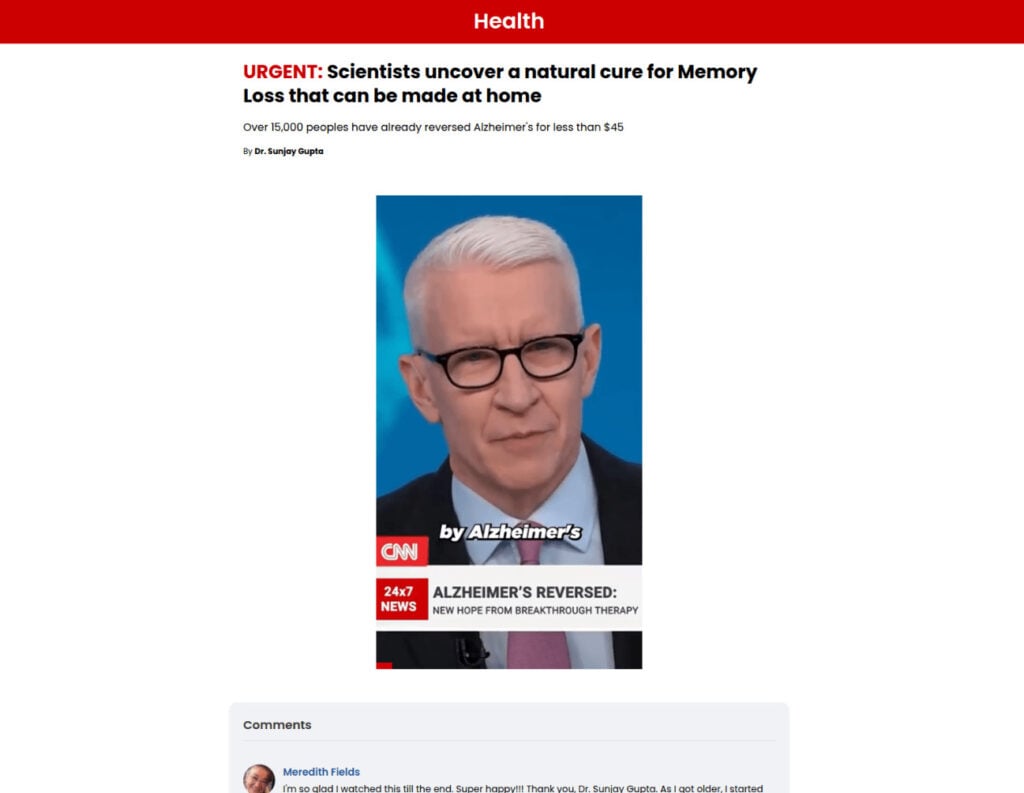
The Memo Genesis supplement scam capitalizes on people experiencing memory problems or cognitive decline, often targeting seniors and their families. Slick marketing, emotional storytelling, and alarming health claims form the cornerstone of this scam. Promoters create advertisements that are meticulously designed to evoke fear and urgency. These ads frequently feature outrageous claims such as overnight cures for memory loss or cognitive impairment, promising to reverse conditions like dementia or Alzheimer’s through natural, inexpensive remedies.
A common tactic includes the use of fake testimonials and artificially generated endorsements from trusted public figures like Dr. Sanjay Gupta. Using sophisticated AI technology, scammers produce realistic-looking videos and voiceovers where these respected figures appear to endorse Memo Genesis. Despite these elaborate presentations, no authentic evidence or credible scientific validation backs up these claims.
Scammers often structure their promotions to trigger emotional responses, exploiting anxieties about health conditions. They employ lengthy videos featuring heart-wrenching personal stories, claiming miraculous transformations to convince viewers to purchase the supplement urgently. The typical pitch includes statements that pharmaceutical companies or medical establishments intentionally suppress such cures to protect their profit margins.
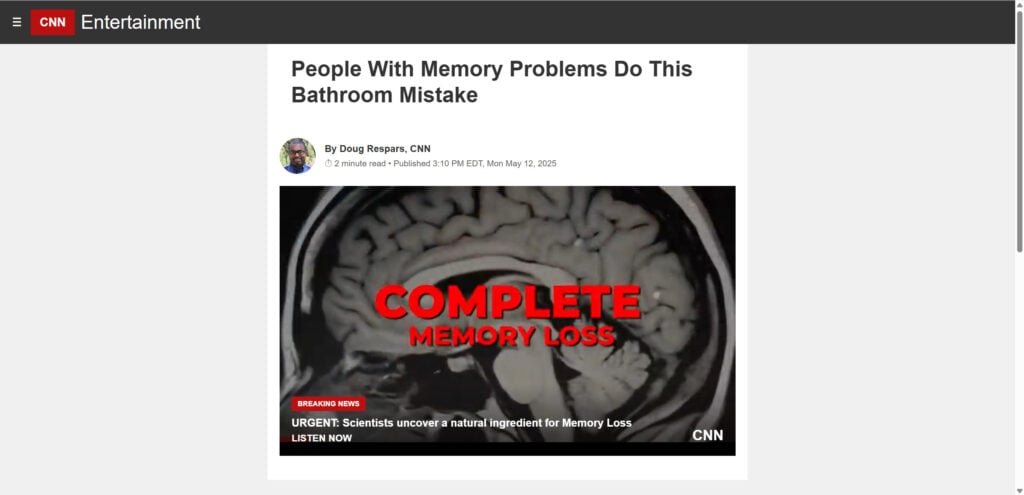
Additionally, these ads deceptively use platforms like Trustpilot ratings or “money-back” guarantees to appear legitimate, even though many reviews or testimonials are fabricated or paid endorsements. The guarantee of refunds rarely stands true, with numerous consumers reporting difficulties or outright denial when requesting reimbursements.
Moreover, the pricing structure, often presented as heavily discounted limited-time offers, is another deceptive practice designed to pressure immediate purchase decisions. Typical ads promote exaggerated discounts, suggesting extremely high original prices drastically reduced to create perceived value.
How The Scam Works
The Memo Genesis supplement scam typically unfolds through several calculated stages designed to attract, engage, deceive, and finally exploit potential victims:
Step 1: Captivating Attention with Emotional Ads
Initially, the scam begins with highly emotional, persuasive ads spread primarily via social media and email marketing campaigns. The ads frequently use headlines such as “Simple Honey Trick Reverses Memory Loss,” combined with engaging visuals or sensational claims like a “97-year-old reversing dementia overnight.”
Step 2: Fake Testimonials and AI-Generated Endorsements
After capturing attention, viewers are shown supposedly authentic testimonials from individuals claiming extraordinary results. To increase credibility, scammers use sophisticated AI tools to generate endorsements from known medical experts and reputable celebrities. These fake endorsements give the illusion of expert validation, misleading consumers into trusting the product.
Step 3: Long and Misleading Videos
Potential buyers are redirected to lengthy videos, which initially promise to reveal the “miracle” remedy quickly but drag on for an hour or more. These videos often include deceptive elements like a fake progress bar, misleading viewers into believing valuable information will appear at any moment, thus prolonging engagement and heightening anticipation.
Step 4: Creating Fear and Urgency
Throughout the video, scammers exploit common fears about cognitive decline and dementia, stressing urgency with claims like limited-time availability or imminent censorship by “Big Pharma”. This tactic pressures viewers to act quickly without careful consideration or external research.
Step 5: Presenting Memo Genesis as the Sole Solution
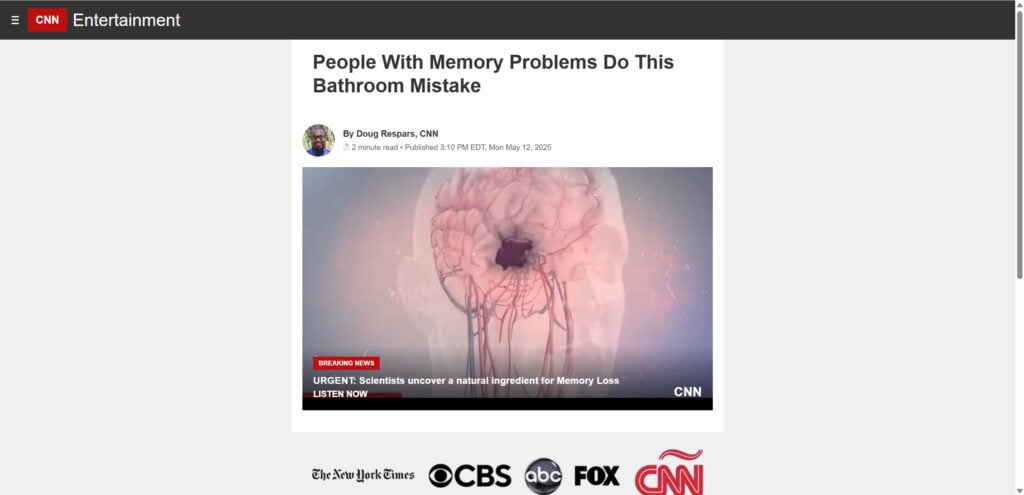
At the video’s climax, viewers discover the supposed miracle cure isn’t a simple home remedy but rather a supplement called Memo Genesis. This reveal is positioned as exclusive knowledge, something allegedly suppressed by medical professionals to keep consumers dependent on costly medications.
Step 6: Aggressive and Deceptive Sales Tactics
Once the product is revealed, viewers face aggressive sales pitches emphasizing limited-time discounts, exaggerated original prices, and “risk-free” guarantees. These strategies pressure the consumer to make immediate purchases without skepticism.
Step 7: Difficulties in Refunds
After the purchase, consumers often experience ineffective results and attempt refunds under the promised guarantee. The refund process becomes deliberately complicated, and many requests are ignored or denied outright, leaving buyers frustrated and financially disadvantaged.
What to Do If You’ve Fallen Victim to This Scam
If you’ve become a victim of the Memo Genesis scam, act swiftly with the following steps:
- Immediately contact your bank or credit card provider: Report the transaction as fraudulent. Banks often provide chargeback options to dispute unauthorized or misleading charges.
- File complaints with consumer protection agencies: Report your experience to organizations such as the Federal Trade Commission (FTC) in the U.S. or similar entities in your country to help authorities track and act against scammers.
- Gather evidence: Retain all emails, purchase confirmations, receipts, video links, and screenshots of advertisements. These can strengthen your case during the dispute process.
- Request refunds through official channels: Contact the seller or customer service to request refunds through written communication. Document all interactions meticulously.
- Warn others through reviews and forums: Share your experience publicly to help others avoid falling victim. Use platforms like social media, scam-reporting websites, and consumer review sites to raise awareness.
- Consider legal advice: Consult with an attorney experienced in consumer protection or class-action lawsuits. Legal intervention might be necessary, especially if substantial financial loss has occurred.
Frequently Asked Questions (FAQ)
Is Memo Genesis scientifically proven to work?
No, Memo Genesis lacks credible scientific evidence or clinical research supporting its claims of reversing memory loss or cognitive impairment. Legitimate medical treatments require thorough clinical testing and peer-reviewed studies, none of which exist for Memo Genesis.
Does Dr. Sanjay Gupta endorse Memo Genesis?
Absolutely not. Scammers use artificial intelligence (AI) technology to create fake endorsements and misleading videos where respected experts like Dr. Sanjay Gupta appear to endorse Memo Genesis. Dr. Gupta has not endorsed this product, and these claims are entirely false.
Can Memo Genesis cure memory loss overnight?
No legitimate supplement or medication can reverse memory loss overnight. Memory loss and cognitive decline are complex issues requiring proper medical assessment and treatment. Any claims of rapid cures should be viewed with extreme skepticism.
Is the Memo Genesis money-back guarantee reliable?
While Memo Genesis advertisements promise a “no questions asked” money-back guarantee, many consumers have reported significant difficulties or outright refusals when attempting to obtain refunds. Be cautious and consider this when making any purchasing decisions.
Are the testimonials and reviews for Memo Genesis authentic?
Many testimonials and reviews for Memo Genesis have been identified as fabricated or paid endorsements. Scammers frequently create fake testimonials to appear more credible and trustworthy. Always verify testimonials from reliable third-party review sources.
What should I do if I’ve already bought Memo Genesis?
If you’ve purchased Memo Genesis and suspect you’ve been scammed, immediately contact your bank or credit card company to dispute the charges. Additionally, file complaints with consumer protection authorities and publicly share your experience to help others avoid this scam.
Why do Memo Genesis ads claim that big pharma is hiding cures?
This claim is a common scare tactic used by scammers to create urgency and distrust toward conventional medical treatments. It aims to manipulate consumers into purchasing unproven supplements by suggesting powerful entities are deliberately suppressing effective cures.
Are ingredients like honey and spices effective against memory loss?
While ingredients like honey and certain spices can be beneficial to general health, they do not have clinically proven capabilities to reverse memory loss or cognitive decline. Genuine medical conditions should always be treated with evidence-based approaches under professional medical supervision.
How can I spot fake supplement scams like Memo Genesis?
Common signs of supplement scams include exaggerated claims, emotionally charged testimonials, fake endorsements, urgency tactics (limited-time offers), and lack of credible scientific evidence. Always research thoroughly and seek medical advice before making health-related purchases.
Is Memo Genesis regulated by health authorities like the FDA?
Memo Genesis is typically marketed as a dietary supplement, meaning it is not evaluated or approved by the FDA for safety or efficacy in treating medical conditions. Supplements often bypass rigorous testing and regulations required for actual medications.
The Bottom Line
The Memo Genesis supplement, marketed aggressively through misleading ads and fabricated endorsements, exemplifies a sophisticated scam targeting vulnerable populations worried about memory loss and cognitive decline. Despite persuasive marketing strategies, there’s no credible scientific evidence validating their extraordinary claims. Protect yourself by remaining skeptical of such sensational promotions. Real medical conditions like memory loss require professional diagnosis and evidence-based treatment—not quick-fix supplements or supposed miracle cures advertised online. Always conduct thorough research and consult healthcare professionals before making any health-related purchase.









Apparently, the ingredient list includes common memory supplement items like gingko biloba and bacopa but their is no mention of Lithium, honey or acanthocyanins. Acanthocyanins are red or purple and not found in honey. I don’t think Alzheimers has ever been reported in a 13 year old. The red flags are all over this ad. It was clearly put together by someone not very sophisticated in medicine. This is a typical infomercial with a standardized format. Bill Gates should sue them.
That is a sharper reading of the ad than most people give it, and every one of your points holds. Anthocyanins – the red and purple pigments – come from berries, not honey, and honey contains none of the things being implied. Lithium appearing in the story but nowhere in the ingredient list is the tell that the “discovery” narrative and the actual capsule were written by different people, one of them selling gingko and bacopa at a large markup.
And the 13-year-old detail is the give-away you would expect – the story is assembled for emotional effect rather than plausibility. Thanks for taking the trouble to compare the claims against the label; that comparison is the single most useful thing a reader can do before buying any of these.
I suggest that whenever you fall for a suspected scam like this, you immediately call the bank that processed it and let them know you were scammed.
Most importantly!!!
Have them reissue a card to you AND
1) tell them to reissue the card as a new card. This will keep them from telling the vender your new card number if they call and ask for it.
2) you will be responsible for notifying all recurring charging entities of the new number.
3) you do that by looking on the bank info and determining what charges were recurring.
Often there is a number to call.
4) for those that you call, you will have to provide all info on back of card. So you may have to wait to call until the new card is received.
Good Luck.
It does work
And keeps the scammer from finding out your new card number.
Thank you, Rick. That is very practical advice. Contacting the bank quickly, disputing the charge, and requesting a truly new card can be important steps when a scammer may try to bill again. I appreciate you sharing those details.
I just had the same experience as Michele.
Saw the Bill Gates video early in the morning and “fell” for the urgency, etc. to order some for my father.
Then I went online to double check for extra information and found the scam references.
When I called the credit card company (with a LOT of embarrassment) just a few minutes after ordering the product, they determined that the order had already been processed and payment was already pending.
They could not stop it only tag it as a disputed payment which they did… and advise me to start by contacting the merchant if I could find a way to see if I could get them to refund, etc.
Hi Elizabeth, thank you for sharing this.
Please do not feel embarrassed. These scams are designed to create urgency and trust very quickly, especially with fake celebrity videos. The important thing is that you acted fast and contacted your credit card company right away.
Even if the payment was already pending, having it flagged as a dispute early can help. Keep all emails, receipts, and screenshots of the ad and product page, and continue following up with your card issuer if needed.
I just fell for the Bill Gates ad and tried to order the 3 bottles of MemoGenesis for $98 but couldn’t seem to complete the order. I got phone texts offering me the 3 bottles for $138. I texted back that I would only pay $98, then found these Malwaretips. Thank you very much!
You avoided a common funnel. When an order “fails” and then you get texts pushing a higher price, it’s often a lead-capture tactic and not a legitimate checkout.
A few safety steps:
Do not click links in those texts and do not share card details.
Block the sender and watch for additional spam.
If you entered any personal info on the checkout page, be alert for follow-up scams and phishing.
Glad you checked before paying.
Michelle, me three. At about the same time! My husband found this in an ad on our phone, and it looked interesting so he read the entire presentation by Bill Gates. He was convinced that this could be the answer for my failing memory. After I read it, I sent in my request for 3 bottles. It was only today, a couple days later, that I decided to check this out online, and tried to find reviews. I found this. Boy, was this some convincing scam!!! I kept thinking to myself, “Bill Gates would never be involved in something shady”. Well, of course, it never occurred to me that this was AI!
I called my VISA right away and they are investigating the fraud, and immediately cancelled my card.
We seniors have to be mindful of this new way to gyp us out of our hard earned money! I guess the moral of these stories is, don’t believe everything you see OR hear without checking it out thoroughly.
Glenda, you did the right thing by acting quickly. These campaigns often use AI-generated celebrity voices and fake “news style” pages to look legitimate.
Calling Visa and cancelling the card immediately was the correct move. Next steps I’d recommend:
Ask your card issuer to block any future rebills from the same merchant (or related merchants). These scams sometimes try follow-up charges under different names.
Keep screenshots of the ad/page, the receipt, and any emails in case Visa asks for supporting proof.
If you clicked anything or downloaded files, run a scan with Malwarebytes, and consider installing AdGuard to reduce malicious ad exposure going forward.
And yes, your takeaway is exactly right: treat high-pressure health ads and “celebrity endorsements” as untrusted until verified independently.
i wonder why the celebrities who’s voices and images are fraudulently and abusively used in this type of scam publicity, do not call in the police and have the publicity authors and product manufacturers convicted .
errol, it’s a fair question. A lot of these ads are run through layers: throwaway domains, affiliate networks, disposable ad accounts, and overseas fulfillment entities. Even when a celebrity team reports it, enforcement can be slow because platforms take time to remove campaigns, and the scammers reappear under a new name.
The practical takeaway is to treat celebrity endorsements in ads as untrusted unless you can verify them through an official source.
Michael Caine seemed convincing too, until I realised the voice wasn’t right for him and that it was someone (or something) else doing their best ‘Michael Caine’ voice.
Paul, exactly. These ads often use AI voice cloning or heavy editing to make a celebrity “sound” like they’re endorsing the product. If the voice feels off, the claims are extreme, and the whole thing funnels you into a single checkout page, it’s usually a scam setup. Good catch trusting your instincts.
I hope you’re right about memogenesis. Gates seemed convincing!!!
Bob, I get why it felt convincing. These scam ads often use AI voice cloning and edited footage to make it sound like a real endorsement, and they reuse the same script with different famous faces.
If you haven’t ordered, the safest move is to skip it. If you already did, don’t deal with the seller, go straight to your bank or PayPal and dispute the charge, and watch for any surprise subscription billing.
I too fell for the Bill Gates testimonial. I had not had any awareness with ai false testimonials and the believability of Gates was remarkable. I purchased based on his credibility and immediately after the purchase was accepted I went online only to realize it was a scam. I called my bank and they immediately (within 25 minutes) restored the funds. However, I had filled out the purchase details, address, bank info, email address, etc and the bank cancelled my long-standing debit card account and sent me a new card/account. Memogenesis acted so fast the confirmed the purchase in lightning speed so as to send the product which I do not want. I felt the fool and this is the first time such a thing has happened to me. I am elderly. GATES TESTIMONY WAS very convincing. After the fact I realized that in the pitch Gates was young and the information he was spewing was not known at that age and also that he is older now and has not looked like that for 20+ years! Your comment make me feel a little less embarrassed about this.
Thank you for saying so plainly, because your experience is the most common one we hear and it helps other people admit the same thing. The believability is not a failure of judgement on your part – the voice is cloned from decades of public footage, the delivery is his, and until you have seen a synthetic video that good it is entirely reasonable to trust your own eyes and ears. That is precisely why the technique works.
For what it is worth, he has never endorsed any of these products, and the Gates Foundation has publicly stated that he does not endorse supplements or investment schemes. Some of these adverts also build the pitch around true biography – his father’s dementia, his funding of medical research – so that a sceptical viewer who checks one detail finds it confirmed and extends that trust to the product.
The rule that survives all of it, since eyes and ears no longer settle it: a medical or financial breakthrough does not reach you first through an advertisement, and nothing announced inside a video with a checkout at the end is news. Practically, that means checking the domain’s registration date on a free WHOIS lookup and reading the small print under the buy button rather than assessing the person on screen.
Since you purchased: check the statement for a recurring charge, dispute what you can with your card issuer as misleadingly sold, and ask for a new card number rather than just a block. Reporting the ad on the platform helps – impersonation of a named public figure is handled faster than most complaints.
Michele, thank you for sharing this. You’re not alone, and these celebrity-style ads are often edited or AI-generated to look convincing. You did the right thing contacting your bank immediately.
Since you entered personal details, keep an eye on accounts for the next few weeks and make sure:
Your email password is changed and 2FA is enabled
You watch for follow-up phishing emails (refund, delivery, “support,” or “verification” messages)
You ignore any requests for “fees” or extra payments