

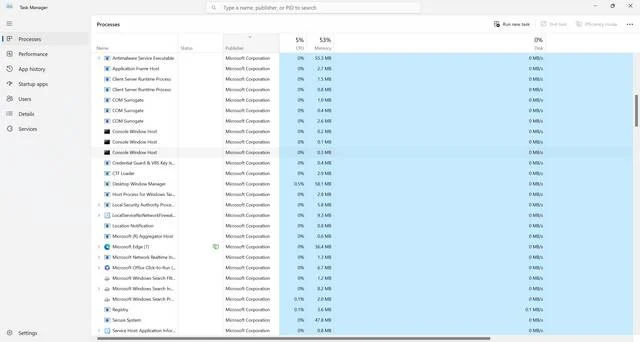
When you open the Task Manager on your Windows computer, you may notice a process called “Microsoft Office Click-to-Run Service” running in the background. This process might raise some questions for users who are unfamiliar with it. In this article, we will explore what the Microsoft Office Click-to-Run Service process is, why it is running in Task Manager, and its significance for Microsoft Office users.
Understanding Microsoft Office Click-to-Run Service
The Microsoft Office Click-to-Run Service is a background process that is part of the Microsoft Office suite. It is responsible for managing the installation, updates, and maintenance of Microsoft Office applications on your computer. This service was introduced by Microsoft as an alternative to the traditional installation method, which involved using physical media or downloading large installation files.
With Click-to-Run, Microsoft Office applications are streamed to your computer and run in a virtualized environment. This allows for faster installation and updates, as well as the ability to use the applications while they are being downloaded. The Click-to-Run service ensures that your Office applications are always up to date and provides a seamless user experience.
Why Is Microsoft Office Click-to-Run Service Running in Task Manager?
Seeing the Microsoft Office Click-to-Run Service process running in Task Manager is completely normal and expected. It indicates that the Click-to-Run service is actively managing the installation and updates of your Microsoft Office applications. The process runs in the background to ensure that your Office suite is always up to date and ready to use.
It is worth noting that the Click-to-Run service only runs when there are updates or maintenance tasks to be performed. Once the updates are complete, the process will stop running until the next update cycle. Therefore, it is not a cause for concern if you see the Click-to-Run service running intermittently in Task Manager.
The Significance of Microsoft Office Click-to-Run Service
The Microsoft Office Click-to-Run Service offers several advantages for users of the Office suite:
- Efficient Updates: Click-to-Run allows for faster and more efficient updates compared to traditional installation methods. Updates are downloaded in the background and applied seamlessly, minimizing disruption to your workflow.
- Streamlined Installation: Click-to-Run eliminates the need for large installation files, making the initial installation of Microsoft Office applications quicker and more convenient.
- Virtualized Environment: By running Office applications in a virtualized environment, Click-to-Run provides isolation and prevents conflicts with other software on your computer.
- Improved Security: The Click-to-Run service ensures that your Office applications are always up to date with the latest security patches, reducing the risk of vulnerabilities and exploits.
Common Concerns and Troubleshooting
While the Microsoft Office Click-to-Run Service is generally a reliable and efficient process, some users may encounter issues or have concerns. Here are a few common concerns and troubleshooting steps:
High CPU or Disk Usage
In some cases, the Click-to-Run service may consume a significant amount of CPU or disk resources, causing performance issues on your computer. If you notice unusually high CPU or disk usage, you can try the following steps:
- Restart your computer: Sometimes, a simple restart can resolve temporary performance issues.
- Check for updates: Ensure that your Office applications are up to date by manually checking for updates through the Microsoft Office Update Center.
- Scan for viruses or malware: Malware or viruses can sometimes interfere with the Click-to-Run service. It is recommended to scan your computer using a reliable antivirus software like Malwarebytes Free.
- Repair Office installation: If the issue persists, you can try repairing your Office installation using the built-in repair tool.
Unwanted Updates
Some users may prefer to have more control over the updates for their Office applications. If you wish to disable automatic updates or choose when to install them, you can follow these steps:
- Open any Office application, such as Word or Excel.
- Click on “File” in the top-left corner and select “Account.”
- Under the “Product Information” section, click on “Update Options” and choose the desired update setting.
Summary
The Microsoft Office Click-to-Run Service process is an essential component of the Office suite, responsible for managing installation, updates, and maintenance. It runs in the background to ensure that your Office applications are always up to date and ready to use. The Click-to-Run service offers efficient updates, streamlined installation, a virtualized environment, and improved security for Office users. While occasional performance issues may arise, they can usually be resolved through simple troubleshooting steps. Overall, the Click-to-Run service enhances the user experience and ensures that Microsoft Office remains a reliable and secure productivity tool.

Join the discussion
0 commentsShare your experience or ask a question about this article.
Discussion
Start the conversation
Have a question or something useful to share? Add the first comment.