

Microsoft Office is one of the most widely used productivity suites in the world, offering a range of applications such as Word, Excel, PowerPoint, and Outlook. These applications have become essential tools for individuals and businesses alike. However, with the increasing prevalence of cyber threats, it is crucial to understand the various components of Microsoft Office and their potential impact on security.
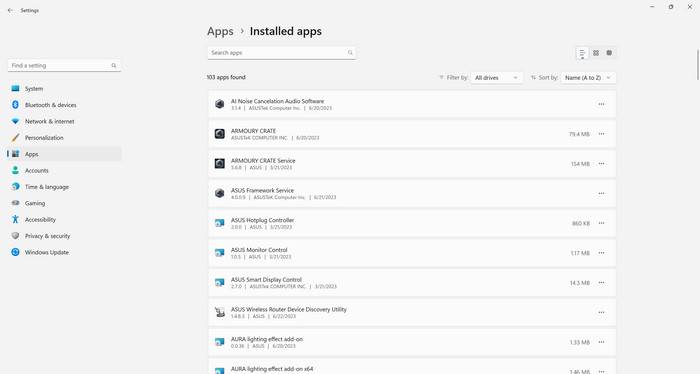
Introduction to Microsoft Office File Validation Add-In
One component of Microsoft Office that often raises questions is the File Validation Add-In. This add-in is designed to enhance the security of Office files by validating their structure and contents before they are opened. It aims to detect and block potentially malicious files that may exploit vulnerabilities in Office applications.
The File Validation Add-In was introduced in Office 2010 and is included by default in later versions of Office. It operates in the background, scanning files for any signs of tampering or malicious code. If a file fails the validation process, Office will display a warning message to the user, indicating that the file may be unsafe to open.
The Purpose of File Validation Add-In
The primary purpose of the File Validation Add-In is to protect users from opening potentially harmful files. It does this by checking the file’s structure and contents against a set of predefined rules. These rules are based on known file formats and specifications, allowing the add-in to identify any inconsistencies or suspicious elements.
By validating files before they are opened, the add-in helps prevent the execution of malicious code that may be embedded within Office files. This is particularly important considering the rise in targeted attacks that exploit vulnerabilities in popular software applications.
Benefits of File Validation Add-In
The File Validation Add-In offers several benefits that contribute to a more secure computing environment:
- Protection against known vulnerabilities: The add-in helps mitigate the risk of opening files that may contain known exploits or vulnerabilities.
- Real-time scanning: The add-in scans files in real-time, providing immediate feedback to users about the safety of the file.
- Reduced reliance on antivirus software: While antivirus software is essential, the File Validation Add-In adds an extra layer of protection by focusing specifically on Office files.
- Improved user awareness: By displaying warning messages for potentially unsafe files, the add-in raises user awareness about the risks associated with opening certain files.
Should I Uninstall File Validation Add-In?
While the File Validation Add-In offers valuable security benefits, there may be situations where users consider uninstalling it. Here are a few scenarios where uninstallation might be considered:
- Performance concerns: In some cases, the File Validation Add-In may impact the performance of Office applications, especially when dealing with large or complex files. If you experience significant slowdowns or delays, you may consider uninstalling the add-in.
- Conflicts with other software: Certain software applications or add-ins may conflict with the File Validation Add-In, causing compatibility issues. If you encounter such conflicts, uninstalling the add-in may be necessary.
- Advanced security measures: Some organizations may have advanced security measures in place, such as network-level scanning or advanced threat detection systems. In such cases, the File Validation Add-In may be redundant, and uninstallation could be considered.
Before deciding to uninstall the File Validation Add-In, it is important to weigh the potential benefits against the specific circumstances and requirements of your environment.
How to Uninstall File Validation Add-In
If you have determined that uninstalling the File Validation Add-In is the right course of action for your situation, follow these steps:
- Open any Office application, such as Word or Excel.
- Click on the “File” tab in the top-left corner of the application.
- Select “Options” from the drop-down menu.
- In the Options window, click on “Add-Ins” in the left-hand menu.
- Under the “Manage” drop-down menu, select “COM Add-ins” and click on the “Go” button.
- In the COM Add-Ins window, locate the “Microsoft Office File Validation Add-In” and uncheck the box next to it.
- Click on the “OK” button to save the changes.
- Restart your Office application for the changes to take effect.
After uninstalling the File Validation Add-In, it is recommended to scan your system for any potential malware or security threats. Malwarebytes Free is a reliable and effective tool for scanning and removing malware. You can download it from here.
Conclusion
The Microsoft Office File Validation Add-In is a security feature that helps protect users from opening potentially harmful files. It offers real-time scanning and validation of Office files, reducing the risk of executing malicious code. While the add-in provides valuable security benefits, there may be situations where uninstallation is necessary due to performance concerns, conflicts with other software, or advanced security measures in place.
Before uninstalling the File Validation Add-In, carefully consider the specific circumstances and requirements of your environment. If you decide to proceed with uninstallation, follow the steps outlined above and consider scanning your system for malware using Malwarebytes Free.
Remember, maintaining a secure computing environment requires a multi-layered approach that includes regular software updates, strong passwords, and a combination of security tools. By understanding the purpose and functionality of components like the File Validation Add-In, you can make informed decisions to enhance your overall security posture.

Join the discussion
0 commentsShare your experience or ask a question about this article.
Discussion
Start the conversation
Have a question or something useful to share? Add the first comment.