

Microsoft Office Outlook Connector is a software component that allows users to access their Microsoft Outlook email, calendar, and contacts from other devices and platforms. It provides synchronization between Outlook and various web-based email services, such as Hotmail, Windows Live Mail, and Office 365. While the connector offers convenience and flexibility, some users may wonder if it is necessary or if they should uninstall it. In this article, we will explore the features, benefits, and potential drawbacks of the Microsoft Office Outlook Connector to help you make an informed decision.
Features and Benefits of Microsoft Office Outlook Connector
The Microsoft Office Outlook Connector offers several features and benefits that enhance the user experience and productivity. Here are some key advantages:
- Unified Email Management: With the connector, users can manage multiple email accounts from different providers within a single interface. This eliminates the need to switch between different email clients or webmail services, saving time and effort.
- Real-Time Synchronization: The connector ensures that changes made in Outlook are instantly reflected in the connected email accounts and vice versa. This allows users to stay up-to-date with their emails, calendar events, and contacts across all devices.
- Offline Access: Users can access their emails, calendar, and contacts even when they are not connected to the internet. The connector synchronizes the data locally, enabling offline access and ensuring productivity even in low or no connectivity situations.
- Advanced Calendar Management: The connector provides advanced calendar features, such as scheduling meetings, sending meeting invitations, and managing shared calendars. These features are particularly useful for professionals who rely heavily on Outlook for their day-to-day work.
- Improved Collaboration: By integrating with web-based email services like Office 365, the connector enables seamless collaboration and sharing of calendars, contacts, and documents with colleagues and team members. This fosters better teamwork and enhances productivity.
Should You Uninstall Microsoft Office Outlook Connector?
While the Microsoft Office Outlook Connector offers numerous benefits, there are a few factors to consider before deciding whether to uninstall it:
1. Usage of Web-Based Email Services
If you primarily use web-based email services like Gmail or Yahoo Mail, and rarely use Microsoft Outlook, uninstalling the connector may be a viable option. Since the connector is designed to integrate Outlook with web-based email services, its usefulness diminishes if you don’t frequently use Outlook as your primary email client.
2. Performance and Resource Consumption
Some users may experience performance issues or notice increased resource consumption when using the Microsoft Office Outlook Connector. This can be particularly noticeable on older or low-spec devices. If you find that the connector is causing your system to slow down or consume excessive resources, uninstalling it might help improve overall system performance.
3. Compatibility and Updates
It is essential to ensure that the Microsoft Office Outlook Connector is compatible with your version of Outlook and the web-based email services you use. Microsoft regularly releases updates and patches to address compatibility issues and improve performance. If you encounter compatibility problems or are unable to update the connector, uninstalling it may be a viable solution.
4. Security and Privacy Concerns
While the Microsoft Office Outlook Connector itself is not inherently malicious, any software that interacts with email accounts and synchronizes data poses potential security and privacy risks. If you have concerns about the security of your email accounts or the privacy of your data, it is advisable to uninstall the connector and rely on alternative methods for accessing your emails.
How to Uninstall Microsoft Office Outlook Connector
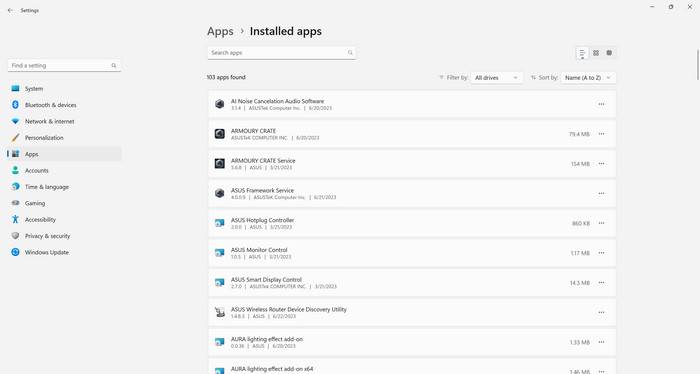
If you have decided to uninstall the Microsoft Office Outlook Connector, follow these steps:
- Close Microsoft Outlook and any other Office applications that may be running.
- Open the Control Panel on your Windows computer.
- Click on “Programs” or “Programs and Features,” depending on your version of Windows.
- Locate and select “Microsoft Office Outlook Connector” from the list of installed programs.
- Click on the “Uninstall” or “Remove” button.
- Follow the on-screen prompts to complete the uninstallation process.
After uninstalling the connector, it is recommended to restart your computer to ensure that all changes take effect.
If you encounter any issues during the uninstallation process or suspect that your system may be infected with malware, it is advisable to scan your computer using a reliable antivirus or anti-malware software. Malwarebytes Free is a popular choice for scanning and removing malware.
Conclusion
The Microsoft Office Outlook Connector offers valuable features and benefits for users who rely on Outlook as their primary email client and use web-based email services. However, if you primarily use web-based email services, experience performance issues, encounter compatibility problems, or have security and privacy concerns, uninstalling the connector may be a viable option. It is essential to evaluate your specific needs and circumstances before making a decision. Remember to follow the recommended uninstallation steps and consider scanning your computer for malware if necessary. By carefully considering the pros and cons, you can make an informed choice regarding the Microsoft Office Outlook Connector.

Join the discussion
0 commentsShare your experience or ask a question about this article.
Discussion
Start the conversation
Have a question or something useful to share? Add the first comment.