

Microsoft Silverlight is a web application framework developed by Microsoft that enables the creation of rich internet applications and media experiences. It was first released in 2007 as a competitor to Adobe Flash, offering similar capabilities for creating interactive and multimedia content on the web. However, in recent years, Silverlight has lost popularity and support, leading many users to question whether they should remove it from their systems.
The Rise and Fall of Silverlight
When Silverlight was first introduced, it gained traction as a promising technology for delivering rich media content and interactive applications on the web. It offered features such as vector graphics, animation, and streaming video playback, making it an attractive choice for developers and content creators.
However, the rise of HTML5 as a web standard and the increasing popularity of mobile devices brought significant challenges to Silverlight. HTML5 provided native support for many of the features that Silverlight offered, eliminating the need for a separate plugin. Additionally, mobile platforms such as iOS and Android did not support Silverlight, limiting its reach and adoption.
As a result, Microsoft announced in 2012 that it would no longer actively develop Silverlight, focusing instead on HTML5 and other web technologies. Since then, support for Silverlight has gradually declined, with major browsers phasing out support for the plugin.
Should You Remove Silverlight?
Whether you should remove Silverlight from your system depends on your specific needs and usage. Here are some factors to consider:
1. Compatibility:
If you frequently visit websites or use applications that rely on Silverlight, removing it may cause compatibility issues. Some older websites and enterprise applications still use Silverlight for certain functionalities. Before removing Silverlight, ensure that you won’t lose access to any essential services or content.
2. Security:
Since Microsoft no longer actively supports or updates Silverlight, it may pose security risks. Outdated software can be vulnerable to exploits and malware attacks. If you decide to keep Silverlight, make sure to regularly update it to the latest version. Additionally, consider using a reliable antivirus program like Malwarebytes Free to scan for any potential threats.
3. Performance:
Silverlight can consume system resources, especially when running complex applications or media content. If you notice that your system’s performance is affected or if you have limited resources, removing Silverlight might improve overall performance.
4. Alternative Technologies:
As mentioned earlier, HTML5 has become the de facto standard for delivering rich media content and interactive applications on the web. Most modern browsers support HTML5 natively, eliminating the need for plugins like Silverlight. If you no longer encounter websites or applications that require Silverlight, removing it may be a viable option.
How to Remove Silverlight
If you’ve decided to remove Silverlight from your system, here’s how you can do it:
- Windows:
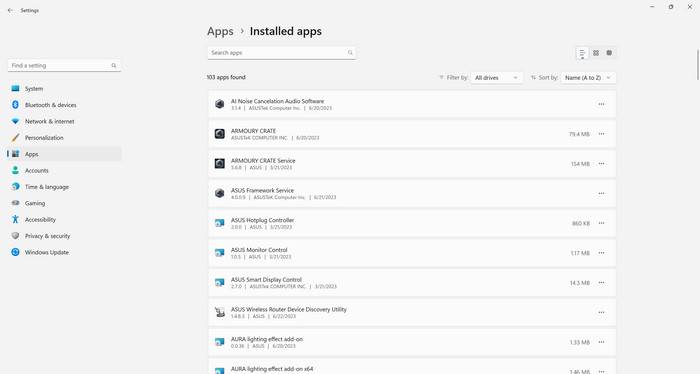
- Go to the Control Panel and open “Programs and Features” (or “Add or Remove Programs” in older versions of Windows).
- Locate “Microsoft Silverlight” in the list of installed programs.
- Select it and click on the “Uninstall” button.
- Follow the on-screen instructions to complete the uninstallation process.
- Mac:
- Open Finder and go to the “Applications” folder.
- Locate “Microsoft Silverlight” and drag it to the Trash.
- Right-click on the Trash and select “Empty Trash” to permanently remove Silverlight from your system.
After removing Silverlight, it’s a good practice to restart your system to ensure that all related files and processes are properly cleared.
Conclusion
Microsoft Silverlight was once a popular web application framework for creating rich media content and interactive applications. However, with the rise of HTML5 and the decline in support, many users are questioning whether they should remove it from their systems.
Ultimately, the decision to remove Silverlight depends on your specific needs and usage. If you no longer encounter websites or applications that rely on Silverlight, removing it can free up system resources and potentially improve performance. However, if you still rely on Silverlight for compatibility reasons, it’s important to weigh the potential security risks and keep the plugin updated.
Remember to regularly scan your system for viruses and malware using a reliable antivirus program like Malwarebytes Free. This will help ensure the overall security and performance of your system, regardless of whether you choose to keep or remove Silverlight.

Join the discussion
0 commentsShare your experience or ask a question about this article.
Discussion
Start the conversation
Have a question or something useful to share? Add the first comment.