

At first glance, Mortaine Grow Spark looks like a breakthrough supplement for children and teens. The marketing promises faster growth, stronger bones, and even “activation” of growth signals.
But once you step back and analyze how it’s sold, the same pattern starts to appear again.
This is not a unique product. It’s part of a repeat dropshipping model built on exaggerated claims, emotional marketing, and subscription traps.
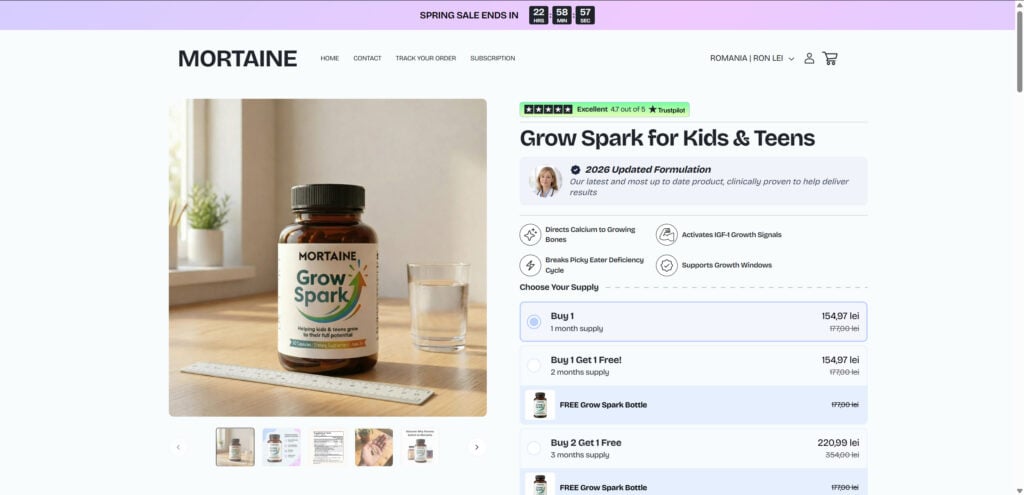
Scam Overview
Mortaine Grow Spark is marketed as a “clinically proven” supplement designed to help kids grow taller and stronger.
The pitch is simple and powerful:
- Activate growth hormones (IGF-1)
- Direct calcium into bones
- Unlock “hidden growth potential”
- Deliver visible results within weeks
For worried parents, this messaging is extremely persuasive.
But the reality is much less impressive.
What you’re actually getting
- A basic supplement (vitamins, minerals, common ingredients)
- No verified clinical studies tied to the product itself
- Generic formulas widely available from manufacturers
Even independent analysis flags the store as “likely dropshipping” with low trust indicators
Major Red Flags You Should Not Ignore
1. Unrealistic Growth Claims
The biggest issue is the promise itself.
Products like this suggest they can:
- increase height beyond genetics
- accelerate natural growth dramatically
- “activate dormant growth plates”
That’s not how biology works.
Growth in children is controlled by:
- genetics
- hormones
- nutrition
- overall health
No over-the-counter supplement can override those limits.
2. Misleading “Clinical” Language
The product uses phrases like:
- “clinically proven”
- “IGF-1 activation”
- “scientifically formulated”
But:
- no clinical trials are linked to this specific product
- no published studies support the claims
- scientific terms are used out of context
Even reviews analyzing the product highlight misleading scientific explanations and lack of real evidence
3. Dropshipping Indicators
Multiple signals point to a typical dropshipping setup:
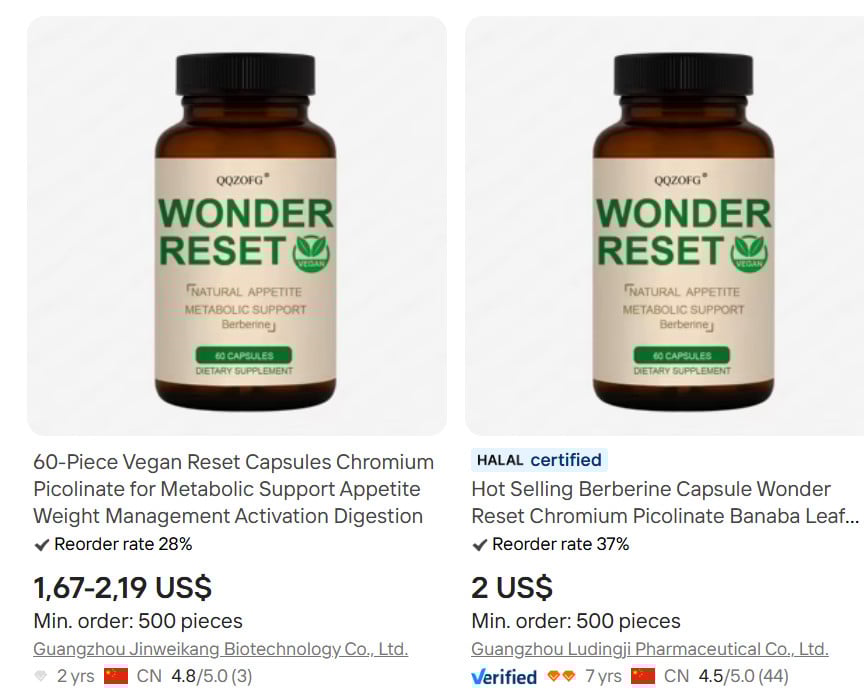
- identical products available from generic suppliers
- private-label branding
- inflated retail price vs production cost
- reused product images
Store analysis also classifies it as likely dropshipping with low trust score (D+)
This matters because it affects:
- product quality consistency
- delivery times
- return handling
4. Quality Control Concerns
Customer feedback raises serious issues.
Examples include:
- different pills in different bottles
- inconsistent colors and textures
- damaged packaging on arrival
One reviewer noted receiving bottles with completely different-looking capsules and no lab verification provided
That’s a major red flag for a product aimed at children.
5. Subscription Trap Risk
This is one of the most common complaints with this type of store.
Users report:
- being enrolled in recurring billing
- difficulty canceling subscriptions
- unexpected repeat charges
The site itself includes subscription options, which increases the risk of:
- automatic monthly billing
- confusing checkout flows
6. Fake Scarcity and Urgency Tactics
The sales page relies heavily on pressure tactics:
- countdown timers
- “limited stock” warnings
- “almost sold out” messages
These are designed to:
- rush decisions
- prevent research
- push impulse purchases
7. Questionable Reviews and Testimonials
The site displays:
- high ratings (4.7+, 5 stars)
- “verified customer” claims
- dramatic before/after stories
But in many cases:
- reviews are controlled or filtered
- negative feedback is hard to find
- testimonials are not independently verified
How This Operation Works
Step 1: Emotional Targeting
Ads focus on:
- concerned parents
- children’s growth anxiety
- fear of “missing growth windows”
Step 2: Overhyped Claims
They promise:
- faster height growth
- visible changes in weeks
- “scientific breakthroughs”
Step 3: Funnel Into Sales Page
Once on the site, you’re hit with:
- urgency timers
- bundle deals
- subscription discounts
Step 4: Checkout Confusion
Common tactics include:
- pre-selected bundles
- subscription boxes checked by default
- unclear pricing breakdown
Step 5: Delivery and Aftermath
After purchase:
- product may arrive inconsistent or delayed
- support responses can be slow or generic
- refund requests may be ignored or redirected
What To Do If You Already Bought It
1. Act Quickly
If you just ordered:
- contact support immediately
- request cancellation before shipping
- take screenshots of your order
Speed matters. Once shipped, options become limited.
2. Check for Hidden Subscriptions
Log into your account and verify:
- recurring billing status
- subscription terms
- next billing date
If active:
- cancel immediately
- request written confirmation
3. Monitor Your Bank Statements
Watch for:
- duplicate charges
- unexpected renewals
- additional shipments
If anything looks suspicious:
- contact your bank
- request a chargeback if needed
4. Monitor for Side Effects
Since ingredient quality is unclear:
- watch for allergic reactions
- stop use if anything unusual occurs
- consult a doctor if needed
This is especially important for children.
5. Do Not Replace Prescribed Treatments
This product should never replace:
- medical advice
- prescribed supplements
- professional treatment plans
There is no evidence it can substitute real medical care.
6. Request a Refund (Realistically)
Even if difficult, try:
- contacting support with clear request
- attaching photos and proof
- referencing their refund policy
Be aware:
- returns may require shipping overseas
- responses may be delayed
7. Keep Documentation
Save everything:
- order confirmation
- emails
- product claims
- screenshots of ads
This helps if you need to:
- file a dispute
- report the seller
- escalate the issue
The Bottom Line
Mortaine Grow Spark is not a miracle growth solution.
It shows clear signs of:
- dropshipping operation
- exaggerated and misleading claims
- subscription-based billing risks
- inconsistent product quality
While you may receive a product, what’s being sold is not what’s being promised.
If a supplement claims it can significantly increase height, activate growth signals, and deliver fast results without clinical proof, that’s not innovation.
That’s marketing. And in this case, it’s marketing designed to target concern, urgency, and trust—without delivering the substance behind it.








