

Burning feet can turn an ordinary evening into a search for relief. A Naxir FootRevive advertorial promises an answer in a short daily session.
The story comes with a doctor-style byline, dramatic pictures, and an urgent discount. Before you buy into it, follow what the offer actually establishes.
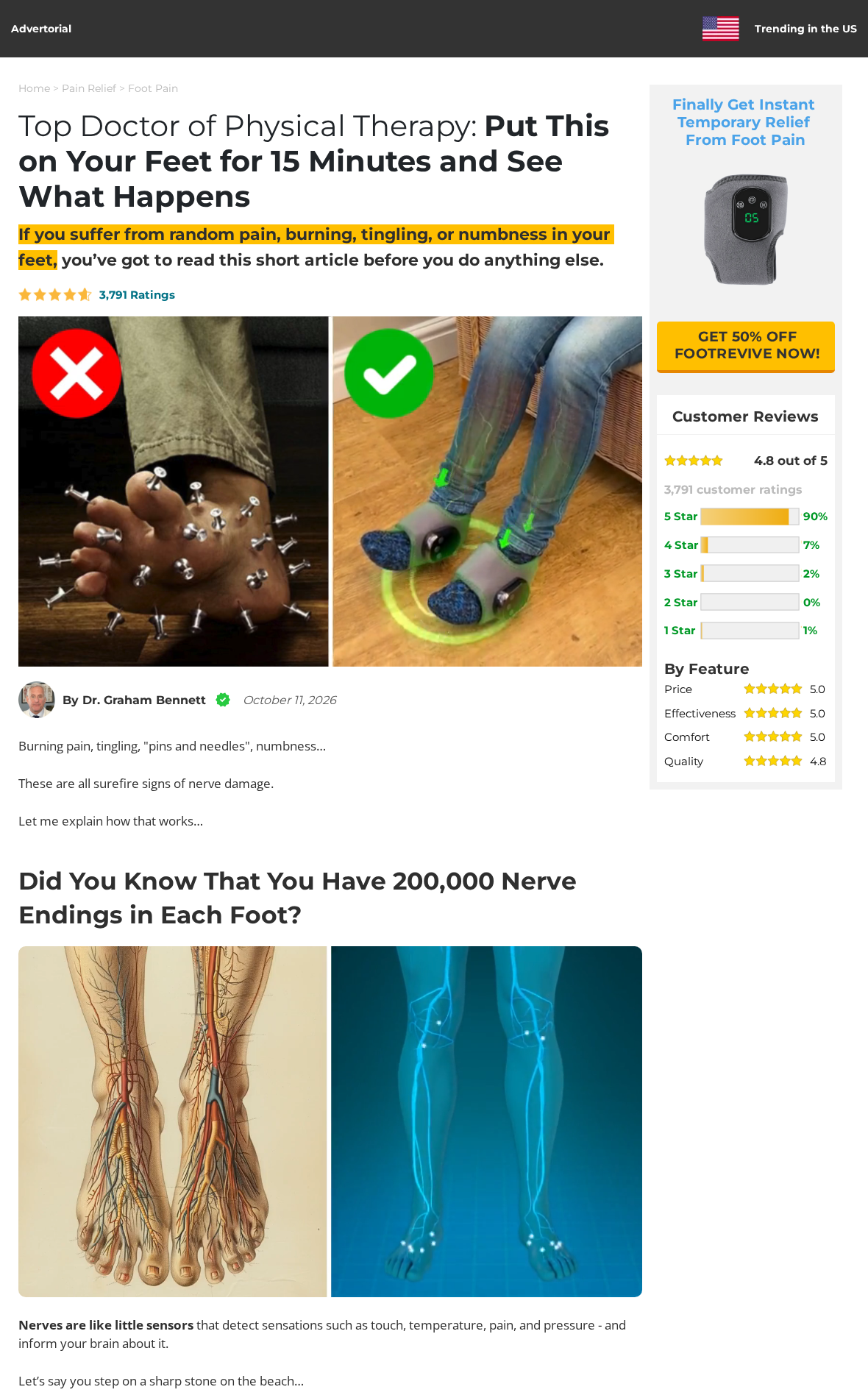
Overview
A Heated Wrap Sold Through a Medical Story
FootRevive is presented as a foot massager combining heat, massage, and compression. The advertorial connects that combination with circulation and recovery of damaged nerves.
It uses a byline for Dr. Graham Bennett and describes a Chicago clinic. Those credentials and clinical claims were not independently authenticated.
A comfort device and a demonstrated nerve-repair treatment are different propositions. The advertisement blurs that distinction.
The Advertorial Is Still Active, but a Product Link Has Changed
The promotional page at offer.naxir.co remains accessible. The older FootRevive product URL on naxir.co now takes visitors to a catalog focused on mobility aids.
That storefront change doesn’t prove fraud or make the current cane products fraudulent. It means buyers cannot assume the old FootRevive offer remains a matching transaction.
The criticism here concerns the active massager promotion, not an unrelated product’s performance.
The Strongest Claims Need Stronger Evidence
The advertorial supplies testimonials and an explanation of a three-part method. It doesn’t establish a clinical trial showing this exact device repairs peripheral nerve damage.
The important concerns are:
- Medical recovery claims extending beyond temporary comfort.
- An unverified doctor-style authority story.
- Pressure to buy before the alleged limited stock disappears.
- A trial promise that needs product-specific eligibility confirmation.
- A changed storefront that complicates checking the actual product and merchant.
Feeling Warmer Is Not Proof That Nerves Are Healing
A heated massager can feel soothing. Warmth, pressure, or a relaxing sensation does not demonstrate that damaged nerve tissue has recovered.
The ad’s explanation makes circulation sound like the decisive missing ingredient. In reality, the cause of burning or numb feet needs proper assessment.
The CDC describes diabetic nerve damage as a complication associated with high blood sugar and explains its effects on feet and daily life.
Other conditions can also produce similar symptoms. A sales page cannot determine which one you have or whether heat and compression are suitable.
The danger is not limited to buying a disappointing gadget. It is also postponing evaluation because an advertisement promises to solve the underlying problem.
Established Therapies Don’t Automatically Validate a Branded Device
The advertorial draws on recognizable ideas: massage, heat, and compression. It then treats their combination as a reason to expect nerve recovery.
That reasoning skips important details. You need the exact device, treatment settings, participants, comparison treatment, follow-up period, and measured outcomes.
Research on a technique used professionally doesn’t prove a consumer wrap reproduces that technique safely or produces the same clinical result.
A reduction in reported discomfort is also different from restored sensation, repaired nerves, or protection against future injury.
Ask for the finished-device evidence behind those stronger promises. A technical phrase isn’t a substitute for a study that actually tested the claim.
Reduced Sensation Makes Safety More Important
If you cannot feel temperature normally, you may not notice excessive warmth as quickly. NIDDK foot-care guidance warns about heat when diabetic nerve damage reduces sensation.
Ask your clinician whether a heated or compression device fits your condition. Take the model information and instructions, not merely the advertisement.
Do not use a device on damaged skin or continue through worsening symptoms simply because the sales story describes healing sensations.
Medical advice should be individualized. No physical testing of FootRevive established its temperatures, pressure levels, safety controls, or suitability for a particular diagnosis.
How the FootRevive Advertorial Sells the Device
Step 1: Familiar Symptoms Become an Urgent Warning
The opening speaks directly to burning, tingling, pain, and numbness. Dramatic imagery makes the reader’s discomfort feel recognized immediately.
The story then moves toward a deteriorating-nerve explanation and warns about future loss of mobility. That raises the emotional stakes of the purchase.
Someone already worried about falling or losing independence may read on because the page seems to understand what is frightening them.
Recognizing symptoms is not diagnosing them. The next useful action is an appropriate health assessment, not accepting the ad’s explanation as your medical history.
Step 2: The Doctor-Style Byline Supplies Authority
The promotion describes its author as a physical-therapy doctor who spent extensive time treating patients and developing a better solution.
That story makes the recommendation feel personal and clinical. Yet a byline, portrait, and clinic description do not authenticate a professional identity.
Ask for a verifiable professional profile, licensing jurisdiction, and clinic details before relying on the authority claim.
No finding here establishes that a particular real clinician is involved or that the pictured person knowingly endorsed the product.
An author making a clinical recommendation should identify the clinic and explain the evidence behind it. A professional-sounding title alone is not enough.
Step 3: A Simple Three-Part Method Becomes the Solution
The explanation links warmth, circulation, massage, and pressure with an environment where nerves supposedly recover. The branded wrap becomes the convenient way to combine them.
This changes the offer from a relaxing accessory into a proposed answer to a medical cause. That’s the key leap readers should notice.
A comfortable session does not establish the advertised mechanism. Nor does a testimonial about sleeping better tell you whether nerve function changed.
Keep expectations specific. Temporary relief, treatment of a diagnosed condition, and lasting repair require different evidence and different safety discussions.
The sidebar actually describes temporary relief. That narrower statement isn’t equivalent to the narrative’s suggestion that the device helps damaged nerves recover.
A buyer should evaluate the stronger promise separately rather than assuming the smaller claim validates it.
Ask whether the seller is offering comfort, medical rehabilitation, or both, and request evidence matching each claim.
Step 4: Testimonials Make the Recovery Story Feel Common
The page displays ratings, successful customer stories, and comment-style exchanges. These create the impression that many people with similar problems have already benefited.
Those accounts are seller-presented material. They were not matched to independently verified orders, diagnoses, or clinical examinations.
A story about foot pain disappearing cannot establish why it improved. Symptoms can fluctuate, and other treatment or activity changes can matter.
Ask what the ratings represent and where the complete review history can be checked. A polished review panel isn’t itself a clinical dataset.
Step 5: Price Anchors and Stock Warnings Push for a Decision
The advertorial describes a $139.99 price and then presents $69.99 as a special 50% offer. It frames higher hypothetical prices as evidence of value.
Those are advertised figures, not a verified final charge. A discount story cannot tell you which package, shipping fee, or device version checkout will contain.
The narrative also warns about sellouts and lengthy waits. Stock levels behind those statements weren’t authenticated.
Don’t let that pressure shorten your medical or purchasing checks. A trustworthy recommendation should survive the time needed to read the terms.
The page encourages buying multiple massagers. Confirm actual quantity and total rather than treating a highlighted unit price as the entire payment.
Step 6: The Trial Promise Makes the Risk Seem to Disappear
The promotion says buyers can experiment for 60 days and obtain their money back if dissatisfied. That is broader than simply having a return-request deadline.
The general Naxir refund policy requires original condition, tags, packaging, proof of purchase, and authorization before return.
It doesn’t explicitly establish that all used FootRevive devices are excluded. It also doesn’t clearly explain how ordinary use under the massager trial qualifies.
Ask for that product-specific answer, together with postage costs and the return location. Keep the trial statement that persuaded you to order.
A money-back promise also cannot make a medical experiment physically risk-free. Your health and the refund process are separate questions.
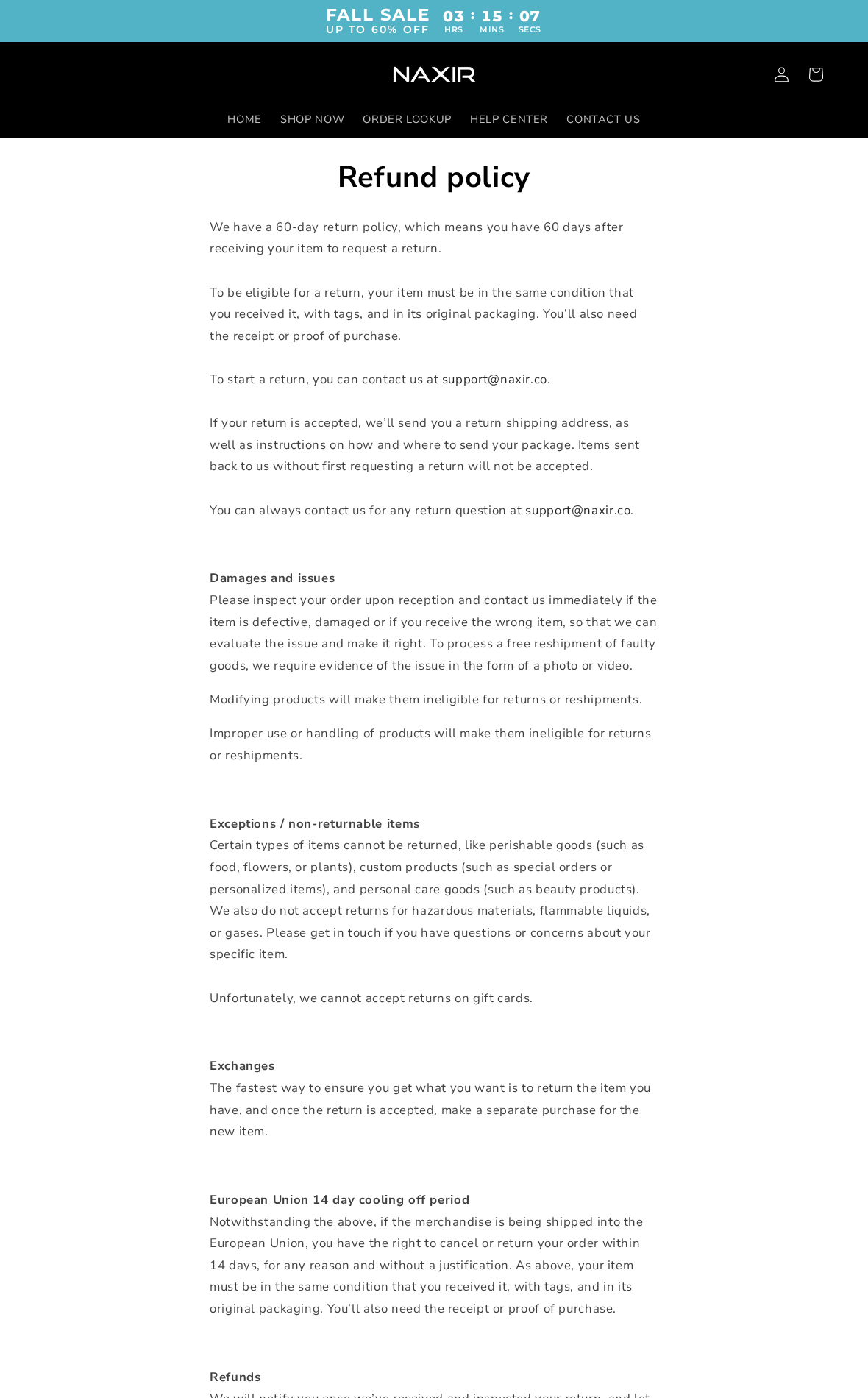
Naxir, the Advertorial Identity, and Return Instructions
Follow the Actual Seller, Not Only the Doctor Story
The advertorial connects its support route with Naxir. The present storefront and terms use that brand, but the inspected material did not authenticate a device manufacturer.
If you’ve bought FootRevive, use the merchant on your receipt to establish who accepted the order and which product it agreed to supply.
The byline is not a payment merchant. A clinic story cannot replace legal seller information when you need a refund.
The London Address Is Explicitly Not for Returns
The site publishes 344–354 Gray’s Inn Road, London, WC1X 8BP. Its own footer says this is not the return address.
That distinction is useful and should be respected. Mailing a device there without authorization could delay or derail the return.
The address alone doesn’t establish a manufacturing site, shipment origin, or clinical development facility. Those roles need separate evidence.
Use the Published Contact to Obtain Written Instructions
The support email is support@naxir.co. No contact test was made, so the advertisement’s easy-access promise isn’t a measured customer-service result.
Ask whether your exact FootRevive order is supported, whether ordinary trial use qualifies, and where an authorized return must be sent.
If the shop now promotes a different range, make the old order number and model explicit. Don’t assume a generic response answers the massager-specific issue.
The Exact Model and Instructions Matter
Identify the model, power supply, heat settings, pressure controls, warnings, and responsible manufacturer on a delivered unit and its packaging.
Similar-looking wraps aren’t automatically the same device. Claims about another massager shouldn’t be transferred to yours without matching specifications.
No teardown, laboratory test, or manufacturing-country investigation established the unit’s contents or origin. The article concerns the promotion and purchase safeguards.
The Changed Storefront Is a Reason to Check, Not Invent a Story
The old product link now leads to mobility aids such as canes and grabbers. The massager advertorial remains a separate live page.
A business can change its product range. That doesn’t prove it stole money, and it doesn’t authenticate an old medical advertisement either.
Before paying through any revived FootRevive offer, confirm that the order actually names the massager and identifies the merchant handling that sale.
Do not buy a cane or another device expecting it to satisfy the FootRevive advertisement. Product identity matters as much as the brand name.
What to Do If You Ordered FootRevive
-
Put health concerns first. Seek a clinical assessment for persistent burning, numbness, swelling, or pain. Don’t wait out a product trial to investigate worsening symptoms.
Ask whether heat and compression are appropriate for your condition, particularly if you have reduced sensation.
-
Identify the exact order. Find the receipt, model, quantity, payment merchant, total, and purchase date. Save the advertorial and trial promise.
If the website now displays another range, keep the original confirmation. It is better evidence of your purchase than the current homepage.
-
Request cancellation if it hasn’t shipped. Contact support@naxir.co with the order number and the product you intended to buy.
Ask for confirmation rather than assuming a sent email stopped dispatch. If delivery is underway, request the applicable return process.
-
Preserve the device and package. Photograph labels, accessories, instructions, and any visible damage before attempting repairs.
The policy warns that modifications or improper handling can affect eligibility. Don’t operate a damaged unit to create a demonstration for support.
-
Obtain a trial-specific return decision. Ask whether the used device qualifies, who pays postage, and what refund amount is expected.
Keep the written authorization and complete destination. Do not send the parcel to the London contact address unless explicitly instructed.
-
Escalate unresolved order problems accurately. Contact your payment provider about non-delivery, wrong goods, or an unfulfilled refund promise. Ask about its deadlines and documentation.
No automatic refill scheme was established here. Check your own statement, but don’t confuse an ordinary device order with a proven recurring-charge trap.
Frequently Asked Questions
Does FootRevive Repair Damaged Nerves?
The inspected advertorial doesn’t establish a clinical trial showing that the exact device repairs nerve damage. Feeling warm or relaxed isn’t proof of nerve recovery.
Is the Doctor in the Advertorial Verified?
The Dr. Graham Bennett identity and clinic story were not independently authenticated. Treat the byline as a promotional claim, not verified professional advice.
Why Does the Old Product Link Show Canes?
The current storefront focuses on mobility aids. That change doesn’t establish fraud, but it prevents assuming the older massager link remains a matching purchase offer.
Is the Price Definitely $69.99?
That figure appears in the advertorial’s discount story. A current final checkout total and package were not established, so verify the actual order before paying.
Can I Return It After Trying It?
The ad promises a trial, while the general policy requires original condition and authorization. Request a written answer covering ordinary use of your exact device.
Should I Use a Heated Massager on Numb Feet?
Ask your clinician first. Reduced sensation can affect your ability to notice excessive heat, and the appropriate advice depends on the cause of your symptoms.
The Bottom Line
Do not buy FootRevive as a proven nerve-repair treatment. The active advertorial’s medical story and urgency are stronger than the device-specific evidence supplied.
If you’ve ordered, identify the merchant, preserve the trial promise, and obtain written cancellation or return instructions. Persistent or worsening foot symptoms need proper medical attention.








