

Hyperpigmentation and uneven skin tone can be some of the most frustrating skincare concerns. In pursuit of clearer, brighter skin, many turn to buzzy new products promising fast and easy solutions. Neously’s Turmeric Kojic Acid Pads have recently exploded in popularity with bold claims of faded dark spots and transformed complexion after just weeks of use.
But with countless overhyped skincare fads saturating the market, does this product deliver real results or deceiving marketing tricks? Let’s analyze whether these trendy acne pads can truly improve your skin or if the inflated promises should raise some red flags.
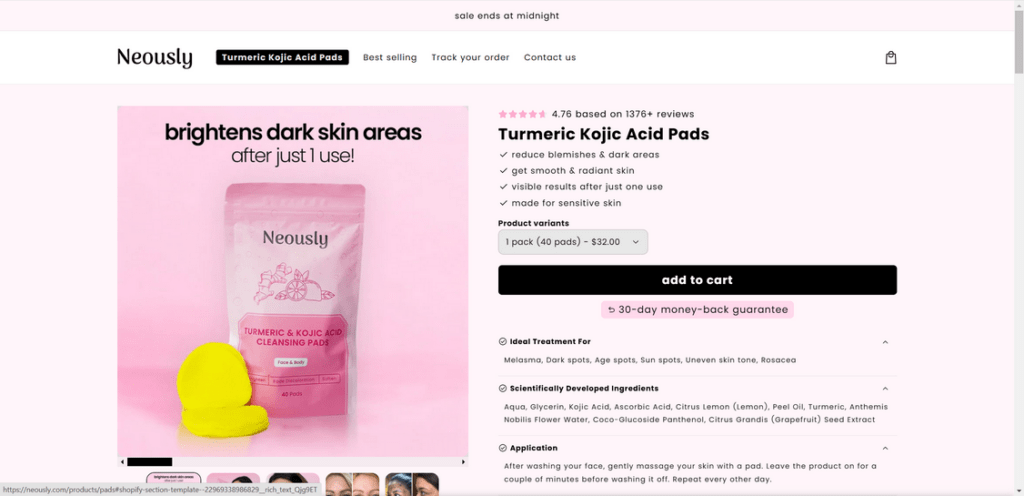
Breaking Down the Benefit Claims
At first glance, the supposed benefits of these turmeric and kojic acid pads seem remarkable:
- Visible results after just a single use
- Elimination of dark spots, melasma and uneven tone
- Smoother, brighter and more radiant skin
- Formula gentle enough for sensitive skin types
- All with 100% natural ingredients
The website and packaging lists scientifically backed components like kojic acid, vitamin C, turmeric and lemon peel which are proven to address pigmentation. Powerful before-and-after photos showing incredible transformations in just weeks add further impact.
But when scrutinized objectively, several concerning factors suggest these impressive claims may be exaggerated marketing ploys rather than accurate representations of real results.
Questionable Product Endorsements
Perhaps most suspicious is the site’s claim that the pads are “formulated and recommended by dermatologists.” But the accompanying stock photo of a doctor appears word-for-word on numerous unrelated websites and products when reverse image searched.
This strongly indicates it’s a fake endorsement utilizing an unsuspecting model’s photo rather than a real skincare specialist recommending the pads.
Unrealistic Promises of Overnight Results
The site asserts shoppers will see a reduction in blemishes and brighter, smoother skin after just a single use. It further promises a complete complexion transformation and elimination of all dark spots in only 4 weeks.
However, the gentle natural ingredients listed are unlikely to yield such rapid, dramatic changes overnight. Legitimate skincare treatments require consistent use over an extended period to reap gradual benefits. Claims of instant fixes should raise skepticism.
Aggressive, Deceptive Marketing Tactics
The website employs multiple high-pressure sales tactics: limited time discounts up to 40% off, urgently emphasizing the sale’s impending expiration, scarcity claims of “limited supply,” and repetitive language about “ordering now” before it’s too late.
While discounts can be enticing, legitimate brands need not resort to such forceful gimmicks. This approach signals a priority on driving hasty purchases rather than transparently communicating value.
Suspicious Customer Photos and Reviews
The site displays impressive before-and-after photos with rave reviews praising the pads for entirely eliminating users’ stubborn pigmentation and acne scars. However, reverse image searches reveal these exact same photos appear on numerous other websites for unrelated products.
Clearly, these are fake rather than real customers. To make matters worse, WhoIs data shows the website domain was registered in April 2024, yet “reviews” date back to March 2023. This suggests fabricated testimonials aimed at deceiving customers.
No Company Transparency
Searching for the brand behind the pads yields no verifiable business registration records, location, or contact information. The company lacks transparency around its origins, manufacturing processes, leadership team, and scientific expertise.
This lack of accountability should give shoppers pause when considering handing over their money.
Dermatologist Perspective: Better Alternatives Exist
Board certified dermatologist Dr. Jessica Wu advises proceeding with caution regarding over-the-counter products making elaborate claims. “Stick to basic ingredients with proven antioxidant ability like vitamin C, niacinamide, and retinoids,” she suggests.
Dr. Wu also reminds those dealing with severe pigmentation issues that professional procedures yield more consistent outcomes. However, for moderate discoloration, many affordable drugstore alternatives harness trusted lightening agents minus the inflated promises.
The Bottom Line: Don’t Buy the Hype
In summary, by making unrealistic claims of overnight success, fabricating before-and-after imagery, aggressively pushing sales, and lacking transparency, Neously exhibits multiple signs of exaggerated marketing with little substance behind it.
While the ingredients may provide mild benefits with extended use, those desperate for dramatic spot removal or perfect skin are best suited seeking trusted dermatologist recommended products or in-office treatments.
For most shoppers, abstaining from trendy skincare fads using misleading tactics proves the wisest route to saving money and avoiding disappointment. With a consistent routine tailored to your unique needs and patience with natural ingredients, lasting complexion improvements can be attained without falling prey to sketchy sales gimmicks.
This article is for educational purposes only and does not constitute professional, financial or legal advice. The content is intended for general information and should not be construed as definitive guidance. Information contained herein is subject to change without notice.  For concerns, please contact us via the provided form.
If you are the owner of the website or product in question and wish to offer clarifications regarding your business or website, please reach out to us through the provided Contact Form.








