

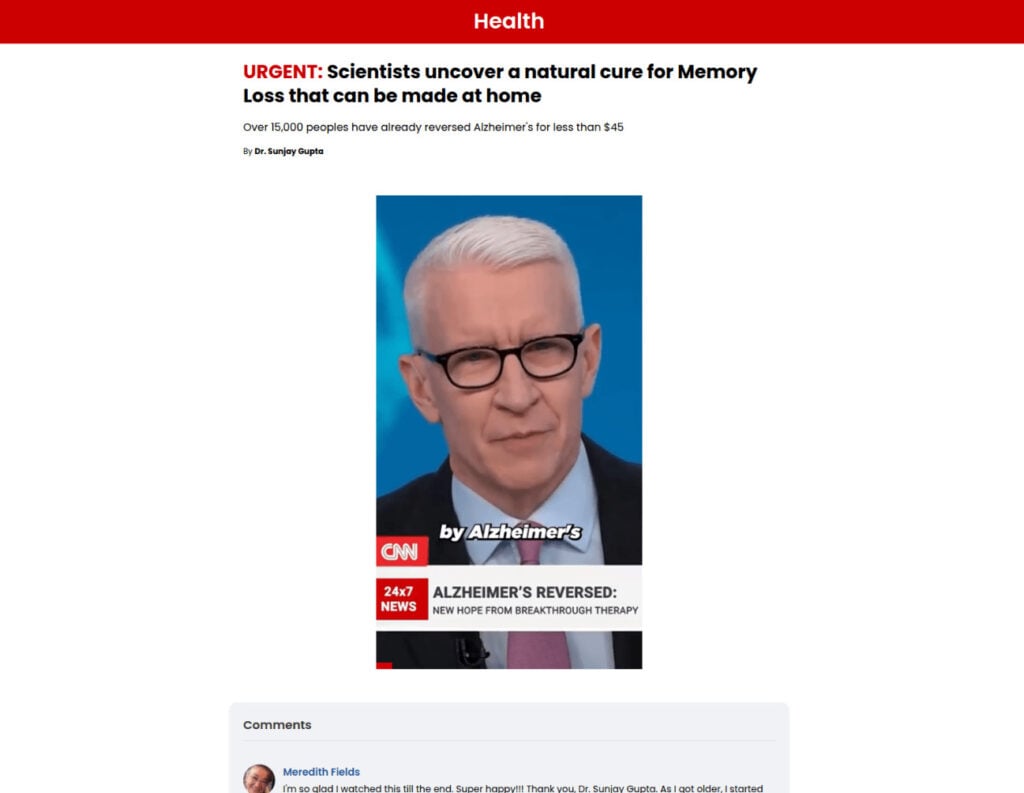
Have you come across ads promoting the NeuroGuard Plus Nootropic supplement claiming miraculous memory recovery overnight using simple ingredients like honey and spices? Such advertisements flood social media, claiming incredible results supported by seemingly reputable experts. But what’s the truth behind NeuroGuard Plus Nootropic, and is it a genuine solution or just another well-crafted scam?
Scam Overview
The NeuroGuard Plus Nootropic supplement scam capitalizes on people experiencing memory problems or cognitive decline, often targeting seniors and their families. Slick marketing, emotional storytelling, and alarming health claims form the cornerstone of this scam. Promoters create advertisements that are meticulously designed to evoke fear and urgency. These ads frequently feature outrageous claims such as overnight cures for memory loss or cognitive impairment, promising to reverse conditions like dementia or Alzheimer’s through natural, inexpensive remedies.
A common tactic includes the use of fake testimonials and artificially generated endorsements from trusted public figures like Dr. Sanjay Gupta. Using sophisticated AI technology, scammers produce realistic-looking videos and voiceovers where these respected figures appear to endorse NeuroGuard Plus Nootropic. Despite these elaborate presentations, no authentic evidence or credible scientific validation backs up these claims.
Scammers often structure their promotions to trigger emotional responses, exploiting anxieties about health conditions. They employ lengthy videos featuring heart-wrenching personal stories, claiming miraculous transformations to convince viewers to purchase the supplement urgently. The typical pitch includes statements that pharmaceutical companies or medical establishments intentionally suppress such cures to protect their profit margins.
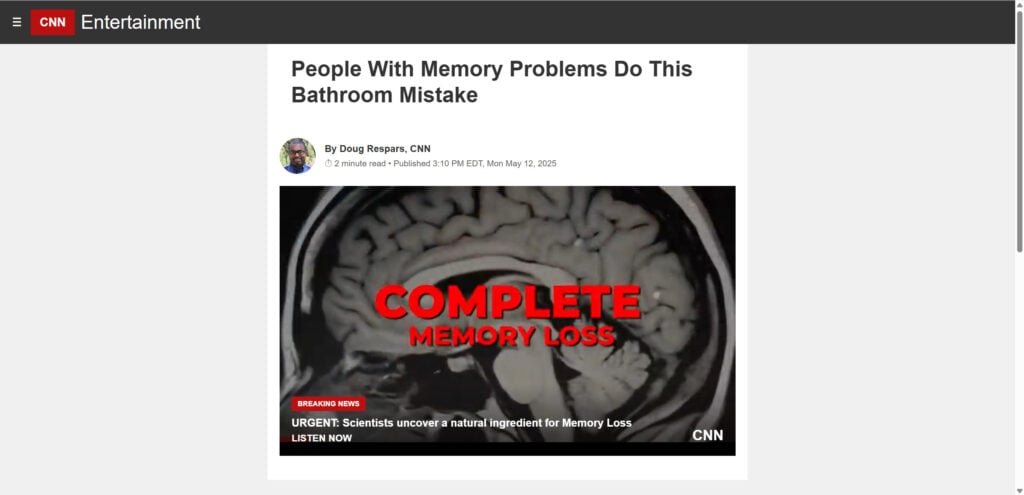
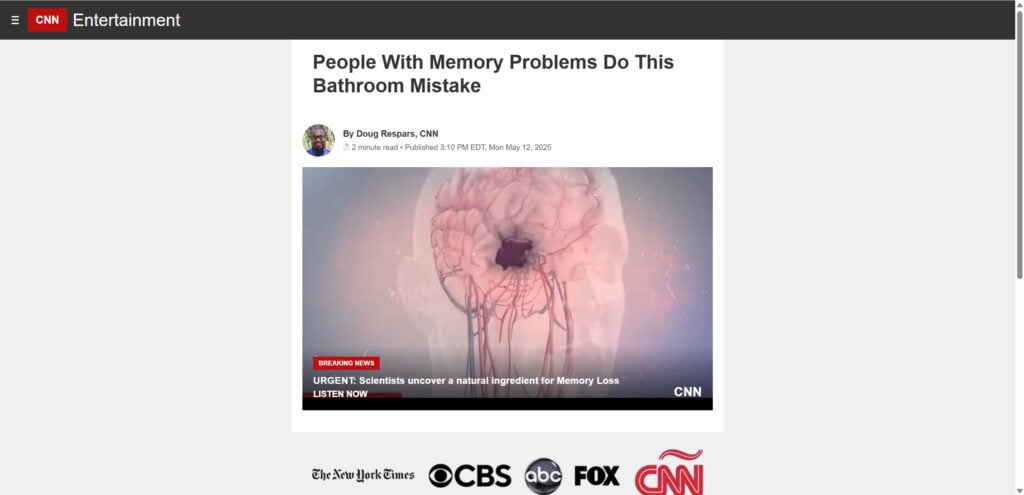
Additionally, these ads deceptively use platforms like Trustpilot ratings or “money-back” guarantees to appear legitimate, even though many reviews or testimonials are fabricated or paid endorsements. The guarantee of refunds rarely stands true, with numerous consumers reporting difficulties or outright denial when requesting reimbursements.
Moreover, the pricing structure, often presented as heavily discounted limited-time offers, is another deceptive practice designed to pressure immediate purchase decisions. Typical ads promote exaggerated discounts, suggesting extremely high original prices drastically reduced to create perceived value.
This product has been also investigated by Jordan Liles on his YouTube channel, where he offers a detailed video on the subject. We recommend watching his content for a comprehensive understanding of the scam.
Next, let’s break down exactly how this operation works from start to finish.
How The Operation Works
The NeuroGuard Plus Nootropic supplement scam typically unfolds through several calculated stages designed to attract, engage, deceive, and finally exploit potential victims:
Step 1: Captivating Attention with Emotional Ads
Initially, the scam begins with highly emotional, persuasive ads spread primarily via social media and email marketing campaigns. The ads frequently use headlines such as “Simple Honey Trick Reverses Memory Loss,” combined with engaging visuals or sensational claims like a “97-year-old reversing dementia overnight.”
Step 2: Fake Testimonials and AI-Generated Endorsements
After capturing attention, viewers are shown supposedly authentic testimonials from individuals claiming extraordinary results. To increase credibility, scammers use sophisticated AI tools to generate endorsements from known medical experts and reputable celebrities. These fake endorsements give the illusion of expert validation, misleading consumers into trusting the product.
Step 3: Long and Misleading Videos
Potential buyers are redirected to lengthy videos, which initially promise to reveal the “miracle” remedy quickly but drag on for an hour or more. These videos often include deceptive elements like a fake progress bar, misleading viewers into believing valuable information will appear at any moment, thus prolonging engagement and heightening anticipation.
Step 4: Creating Fear and Urgency
Throughout the video, scammers exploit common fears about cognitive decline and dementia, stressing urgency with claims like limited-time availability or imminent censorship by “Big Pharma”. This tactic pressures viewers to act quickly without careful consideration or external research.
Step 5: Presenting NeuroGuard Plus Nootropic as the Sole Solution
At the video’s climax, viewers discover the supposed miracle cure isn’t a simple home remedy but rather a supplement called NeuroGuard Plus Nootropic. This reveal is positioned as exclusive knowledge, something allegedly suppressed by medical professionals to keep consumers dependent on costly medications.
Step 6: Aggressive and Deceptive Sales Tactics
Once the product is revealed, viewers face aggressive sales pitches emphasizing limited-time discounts, exaggerated original prices, and “risk-free” guarantees. These strategies pressure the consumer to make immediate purchases without skepticism.
Step 7: Difficulties in Refunds
After the purchase, consumers often experience ineffective results and attempt refunds under the promised guarantee. The refund process becomes deliberately complicated, and many requests are ignored or denied outright, leaving buyers frustrated and financially disadvantaged.
What to Do If You’ve Fallen Victim to This Scam
If you’ve become a victim of the NeuroGuard Plus Nootropic scam, act swiftly with the following steps:
- Immediately contact your bank or credit card provider: Report the transaction as fraudulent. Banks often provide chargeback options to dispute unauthorized or misleading charges.
- File complaints with consumer protection agencies: Report your experience to organizations such as the Federal Trade Commission (FTC) in the U.S. or similar entities in your country to help authorities track and act against scammers.
- Gather evidence: Retain all emails, purchase confirmations, receipts, video links, and screenshots of advertisements. These can strengthen your case during the dispute process.
- Request refunds through official channels: Contact the seller or customer service to request refunds through written communication. Document all interactions meticulously.
- Warn others through reviews and forums: Share your experience publicly to help others avoid falling victim. Use platforms like social media, scam-reporting websites, and consumer review sites to raise awareness.
- Consider legal advice: Consult with an attorney experienced in consumer protection or class-action lawsuits. Legal intervention might be necessary, especially if substantial financial loss has occurred.
Frequently Asked Questions (FAQ)
Is NeuroGuard Plus Nootropic scientifically proven to work?
No, NeuroGuard Plus Nootropic lacks credible scientific evidence or clinical research supporting its claims of reversing memory loss or cognitive impairment. Legitimate medical treatments require thorough clinical testing and peer-reviewed studies, none of which exist for NeuroGuard Plus Nootropic.
Does Dr. Sanjay Gupta endorse NeuroGuard Plus Nootropic?
Absolutely not. Scammers use artificial intelligence (AI) technology to create fake endorsements and misleading videos where respected experts like Dr. Sanjay Gupta appear to endorse NeuroGuard Plus Nootropic. Dr. Gupta has not endorsed this product, and these claims are entirely false.
Can NeuroGuard Plus Nootropic cure memory loss overnight?
No legitimate supplement or medication can reverse memory loss overnight. Memory loss and cognitive decline are complex issues requiring proper medical assessment and treatment. Any claims of rapid cures should be viewed with extreme skepticism.
Is the NeuroGuard Plus Nootropic money-back guarantee reliable?
While NeuroGuard Plus Nootropic advertisements promise a “no questions asked” money-back guarantee, many consumers have reported significant difficulties or outright refusals when attempting to obtain refunds. Be cautious and consider this when making any purchasing decisions.
Are the testimonials and reviews for NeuroGuard Plus Nootropic authentic?
Many testimonials and reviews for NeuroGuard Plus Nootropic have been identified as fabricated or paid endorsements. Scammers frequently create fake testimonials to appear more credible and trustworthy. Always verify testimonials from reliable third-party review sources.
What should I do if I’ve already bought NeuroGuard Plus Nootropic?
If you’ve purchased NeuroGuard Plus Nootropic and suspect you’ve been scammed, immediately contact your bank or credit card company to dispute the charges. Additionally, file complaints with consumer protection authorities and publicly share your experience to help others avoid this scam.
Why do NeuroGuard Plus Nootropic ads claim that big pharma is hiding cures?
This claim is a common scare tactic used by scammers to create urgency and distrust toward conventional medical treatments. It aims to manipulate consumers into purchasing unproven supplements by suggesting powerful entities are deliberately suppressing effective cures.
Are ingredients like honey and spices effective against memory loss?
While ingredients like honey and certain spices can be beneficial to general health, they do not have clinically proven capabilities to reverse memory loss or cognitive decline. Genuine medical conditions should always be treated with evidence-based approaches under professional medical supervision.
How can I spot fake supplement scams like NeuroGuard Plus Nootropic?
Common signs of supplement scams include exaggerated claims, emotionally charged testimonials, fake endorsements, urgency tactics (limited-time offers), and lack of credible scientific evidence. Always research thoroughly and seek medical advice before making health-related purchases.
Is NeuroGuard Plus Nootropic regulated by health authorities like the FDA?
NeuroGuard Plus Nootropic is typically marketed as a dietary supplement, meaning it is not evaluated or approved by the FDA for safety or efficacy in treating medical conditions. Supplements often bypass rigorous testing and regulations required for actual medications.
The Bottom Line
The NeuroGuard Plus Nootropic supplement, marketed aggressively through misleading ads and fabricated endorsements, exemplifies a sophisticated scam targeting vulnerable populations worried about memory loss and cognitive decline. Despite persuasive marketing strategies, there’s no credible scientific evidence validating their extraordinary claims. Protect yourself by remaining skeptical of such sensational promotions. Real medical conditions like memory loss require professional diagnosis and evidence-based treatment—not quick-fix supplements or supposed miracle cures advertised online. Always conduct thorough research and consult healthcare professionals before making any health-related purchase.

Join the discussion
0 commentsShare your experience or ask a question about this article.
Discussion
Start the conversation
Have a question or something useful to share? Add the first comment.