

When you open the Windows Task Manager, you may come across a process called NisSrv.exe running in the background. This article aims to provide you with a detailed understanding of what NisSrv.exe is, whether you should remove it, and whether it is malware or not.
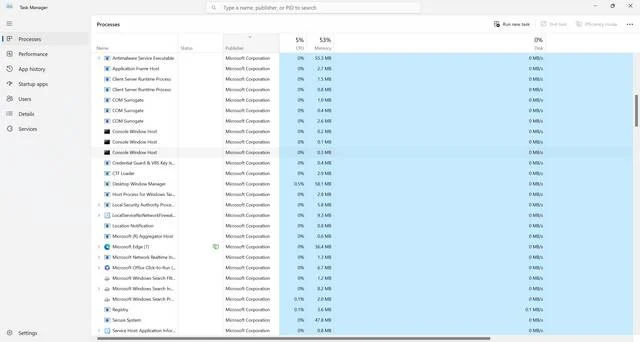
What is NisSrv.exe?
NisSrv.exe is a legitimate executable file that is associated with Microsoft’s Windows Defender Antivirus. It is a crucial component of the Windows Defender program, which is designed to protect your computer from various types of malware, including viruses, spyware, and other malicious software.
Windows Defender is a built-in antivirus solution provided by Microsoft for Windows operating systems. It continuously monitors your system for potential threats and takes action to remove or quarantine any detected malware.
NisSrv.exe, also known as the “Windows Defender Network Inspection Service,” is responsible for performing network-based inspections of incoming and outgoing data on your computer. It helps identify and block potential threats by analyzing network traffic and comparing it against a database of known malware signatures.
Should I Remove NisSrv.exe?
As NisSrv.exe is a legitimate component of Windows Defender, it is generally not recommended to remove or disable it. Windows Defender plays a crucial role in protecting your computer from malware, and NisSrv.exe is an essential part of its functionality.
Disabling or removing NisSrv.exe may leave your computer vulnerable to various types of malware, as it won’t be able to perform network-based inspections and identify potential threats effectively.
However, there may be situations where you might consider disabling NisSrv.exe temporarily. For example, if you are experiencing performance issues or conflicts with other security software, you can try disabling NisSrv.exe and observe if the issues persist. If the problems are resolved, you can consider using an alternative antivirus solution or seek further assistance from Microsoft support.
If you decide to disable NisSrv.exe, follow these steps:
- Open the Windows Security app by clicking on the Windows Start button and searching for “Windows Security.”
- Click on “Virus & threat protection” in the left-hand menu.
- Under “Virus & threat protection settings,” click on “Manage settings.”
- Toggle off the “Real-time protection” option.
Keep in mind that disabling NisSrv.exe should only be done temporarily and with caution. It is recommended to re-enable it or use an alternative antivirus solution to ensure the ongoing protection of your computer.
Is NisSrv.exe Malware?
NisSrv.exe is not malware. It is a legitimate file associated with Windows Defender Antivirus. However, like any other executable file, it is possible for malware to disguise itself as NisSrv.exe to avoid detection.
If you suspect that NisSrv.exe on your system is malware, it is essential to perform a thorough scan using reliable antivirus software. We recommend using Malwarebytes Free, a trusted antivirus solution that can detect and remove various types of malware.
Malwarebytes Free is known for its advanced scanning capabilities and real-time protection features. It can effectively detect and remove malware, including any potential threats that may be disguised as NisSrv.exe.
By regularly scanning your system with reputable antivirus software like Malwarebytes Free, you can ensure the overall security and integrity of your computer.
Summary
NisSrv.exe is a legitimate executable file associated with Windows Defender Antivirus. It is responsible for performing network-based inspections of incoming and outgoing data on your computer to identify and block potential threats. Removing or disabling NisSrv.exe is generally not recommended, as it may leave your computer vulnerable to malware.
However, if you experience performance issues or conflicts with other security software, you can temporarily disable NisSrv.exe and seek further assistance. It is crucial to regularly scan your system with reliable antivirus software like Malwarebytes Free to ensure the ongoing security of your computer.
Remember, NisSrv.exe is not malware itself, but it is essential to stay vigilant and verify its legitimacy to protect your system from potential threats.

Join the discussion
0 commentsShare your experience or ask a question about this article.
Discussion
Start the conversation
Have a question or something useful to share? Add the first comment.