

A pair of shoes catches your eye. The price looks reasonable, and the store feels familiar enough to make a quick purchase tempting.
Before entering your card details at Olive & Evy, take a closer look at what happens after the product page. That deserves more attention than the styling.
Overview
The concern is the checkout, not simply the clothes
Olive & Evy sells clothing and shoes through oliveandevy.com. Our concern centers on buyers reporting extra charges, unfamiliar merchant names, and difficulty resolving the resulting orders.
Those are substantial payment warnings. They are not the same as a customer disliking a blouse or finding a pair of shoes uncomfortable.
The storefront currently publishes company details, shipping estimates, and a return policy. Those pages matter, but they do not independently establish that checkout follows the advertised terms.
What shoppers have reported
A BBB Scam Tracker report dated August 4, 2026 describes a $50.40 clothing order becoming $100.38 after a protection offer appeared.
The shopper said they had not selected that protection. They also reported a change to HALORSTORE.com during the process. The difference between the stated totals was $49.98.
A separate July 20 report describes declining $9.95 shipping insurance, followed by attempted charges and a bank fraud alert.
These are first-person allegations published by BBB, not findings that BBB independently proved. We did not submit payment or reproduce those reported charges.
Why we recommend staying away from this offer
The repeated payment complaints make this a poor choice for an ordinary clothing purchase. A low advertised price is not worth uncertainty about the amount charged.
The practical warning signs to watch for are specific:
- A protection or warranty option that remains after you decline it.
- A final total that differs from the clothing and shipping you approved.
- A checkout or card descriptor that introduces an unexplained merchant.
- A payment error followed by requests to try another card.
- Missing confirmation details or unanswered requests to correct the charge.
Our assessment is a serious shopping and billing risk. The evidence does not justify pretending we established every buyer’s experience or a universal hidden subscription.
The Payment Complaints Behind the Warning
Declining an extra should actually remove it
Shipping protection and extended warranties are optional purchases when presented that way. A clear rejection should leave the order without that extra charge.
A button labeled No is not meaningful if the payable amount still includes the declined product. The final authorization screen must reflect the customer’s actual choice.
That is why the July report matters. It describes a shopper trying to refuse insurance, not someone agreeing to a service and regretting it later.
We cannot determine from that account whether a checkout defect, misleading design, or another cause produced the attempts. Buyers should not finance that uncertainty.
Several accounts describe the same kind of surprise
An account dated September 1 describes declined protection appearing alongside a larger purchase charge, followed by an allegedly undeliverable support email.
An August 18 account reports roughly double the advertised price, repeated attempted charges, and no order confirmation or tracking.
The amounts and details differ. Together, these accounts support caution about payment handling, rather than a claim that every order has one identical outcome.
Nor does a bank alert establish which person operated a website. It does mean the shopper should pause and speak directly with the card issuer.
An unfamiliar name needs an explanation before payment
Payment processors and merchant descriptors can legitimately differ from storefront names. The difference alone does not prove stolen card details or an unauthorized business relationship.
However, an unexplained name change combined with a different amount is not something to brush aside. Ask who takes payment and what appears on the statement.
A store should answer those questions before authorization. You should not have to reconstruct the seller’s identity after discovering a charge you did not expect.
How the Reported Checkout Problem Develops
Step 1: A normal product price sets the expectation
The shopper chooses clothing or shoes and calculates the purchase around the displayed price. Free shipping or a discount can make the order feel especially straightforward.
At this stage, the meaningful number is the expected total for the selected items. Write it down or capture the cart before continuing.
A product image, size selector, and familiar payment logos can make a storefront look ordinary. None of those features verifies how the later checkout handles optional extras.
The mistake is treating the product-page price as the amount already authorized. Authorization happens later, and every intervening addition needs to remain visible and optional.
Step 2: A protection offer interrupts the purchase
The detailed August account describes an Ultimate Protection offer covering a lifetime warranty and shipping protection. The customer said it appeared when they proceeded with payment.
An upsell is not automatically deceptive. The problem arises when declining it does not remove it, or the extra’s price is unclear before payment.
Read the actual selection state and total. A prominent refusal button should not distract you from a checked option or changed amount elsewhere on the page.
If you cannot tell whether an extra is active, leave the checkout. Refreshing and clicking repeatedly can create a more confusing payment history.
Step 3: The amount or merchant name changes
The August shopper described a jump from $50.40 to $100.38 and a different website name. That is the reported transition at the heart of this warning.
A legitimate processor redirect should explain who processes payment without changing the purchase you approved. A new name does not excuse a new, unexplained total.
Check the address bar, order summary, quantity, taxes, delivery fees, and optional services together. Stop if those details cannot be reconciled.
Do not approve an unexpected bank authentication request just to make an error disappear. The amount shown by your bank matters more than a checkout reassurance.
Step 4: A payment error can lead to more attempts
Some shoppers describe retries, multiple attempted charges, or a prompt to enter another card. Those reports should make you more cautious, not more persistent.
A declined transaction may still leave a temporary authorization visible. An attempted charge is also different from a settled charge. Your issuer can explain the distinction.
Do not offer a second card until the first attempt is understood. Otherwise, you can expose another account without solving the original order problem.
Keep the error screen and note the time. If a charge later posts, that record helps show what you saw when the transaction failed.
Step 5: The dispute moves from shopping to evidence
Once the statement differs from the approved purchase, arguing about whether the shoes are attractive misses the point. The issue becomes consent, amount, and merchant identity.
Missing confirmation emails or unresolved support requests can make that issue harder to untangle. Save your own records instead of waiting for the seller to provide them.
A parcel arriving does not automatically settle a disputed optional charge. Equally, an unfamiliar descriptor does not make an otherwise authorized purchase unauthorized.
Describe the precise problem. That gives the merchant and payment provider something concrete to investigate, rather than a broad accusation they can dismiss.
Olive & Evy Company, Address, and Support Checks
The store identifies Tiosan Focus LLC
The current policies identify the store as Olive & Evy and the company as Tiosan Focus LLC. They also publish EIN 98-1880343.
Those are the seller’s published identifiers. We have not independently established the company’s registration status, ownership, or authority to operate every payment name mentioned in complaints.
Compare that company name with your receipt and statement. If another entity collected payment, request a written explanation of its role and responsibility for refunds.
A published address is not a return authorization
The listed address is 100 Heartland Blvd, Edgewood, NY 11717. An address on a policy does not, by itself, verify a public boutique or manufacturing location.
We have not confirmed whether this specific address accepts customer returns. Sending a parcel there without instructions can leave you paying postage without completing an approved return.
Ask for the complete authorized destination, recipient, and order reference. Keep the approval email with your shipping receipt.
The support details are promises, not a response test
The site lists support@oliveandevy.com and +1 631-994-1095. It advertises weekday service from 9:00 AM to 5:00 PM EST and a one-business-day response target.
We did not call that number or test the inbox. Some buyer reports describe contact difficulties, but that does not establish that every current message fails.
If your email bounces, preserve the delivery failure. If someone responds, keep their name, date, proposed remedy, and any conditions attached to the refund.
An external tracking link does not prove common ownership
The navigation’s tracking link points to niceglance.com. That is an observable difference between the shopping domain and the linked tracking destination.
A shared service, reused navigation, or another arrangement could explain it. The link alone does not prove that all similarly styled stores share an owner.
Use the actual carrier’s tracking number when available. A storefront tracking screen is not independent confirmation that a parcel reached your address.
What the Written Return Policy Actually Offers
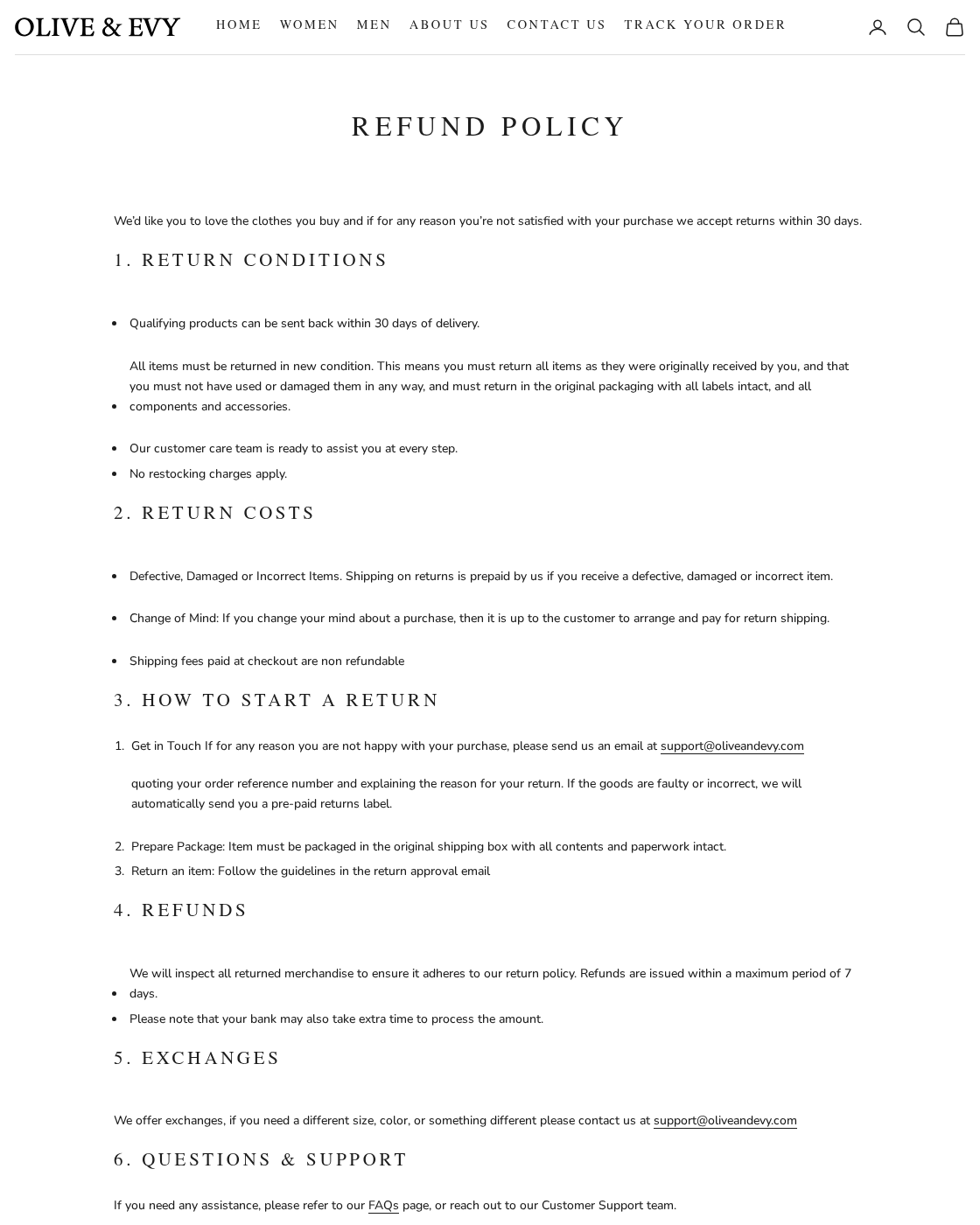
The current return policy allows qualifying returns within 30 days of delivery. It does not describe a blanket no-refund store.
Items must remain in new condition, with packaging, labels, accessories, and other supplied contents. The policy says no restocking charge applies.
For damaged, defective, or incorrect goods, the store promises prepaid return shipping. For a change of mind, the customer arranges and pays the return postage.
Shipping fees paid at checkout are described as nonrefundable. Refunds are stated to be issued within seven days after inspection, with additional bank processing time possible.
That written policy gives you specific promises to cite. It does not explain or authorize an optional protection charge that you declined.
A billing complaint and a merchandise return can therefore require separate remedies. Ask for both clearly if both occurred.
The published shipping estimate is one to two processing days plus two to four transit days. Save the version shown when you ordered.
These pages do not establish that every product ships from China. We also found no basis here to describe every order as an automatic refill subscription.
What to Do If You Ordered or Were Charged
- Build a simple transaction timeline.
Save the product price, cart total, checkout screenshots, confirmation, and card entries. Note each amount, merchant name, and whether the entry is pending or posted.
Include failed attempts and bank alerts. You do not need a perfect archive, but a dated sequence is easier to investigate than scattered screenshots.
- Ask the seller for an itemized correction.
Identify the clothing you selected and the extras you declined. Request a breakdown separating merchandise, shipping, protection, taxes, and any other service.
State the remedy you want, such as refunding an unwanted extra or canceling an unfulfilled order. Send it in writing and retain the response.
- Contact your payment provider promptly.
Explain whether you dispute the total, an added service, duplicate payments, or non-delivery. Ask about deadlines and the records needed for your particular payment method.
Do not label the entire purchase unauthorized if you approved part of it. Accurate descriptions help the provider choose the appropriate dispute process.
- Protect the account if further charges appear.
Report genuinely unrecognized transactions immediately. Ask the issuer whether the card should be replaced and whether merchant-specific or recurring-payment controls are available.
A refund promise is not a reason to ignore new account activity. Follow the issuer’s advice and never share a verification code with an unsolicited caller.
- Handle the parcel according to the actual problem.
Photograph defects, incorrect items, labels, and packaging. Request the promised prepaid label when the issue is damaged, faulty, or wrong merchandise.
For an ordinary return, obtain authorization before shipping. Use tracking and retain delivery evidence. Do not assume the footer address is the approved destination.
- Document unresolved problems and avoid recovery offers.
If support fails to resolve the issue, report the specific transaction to your consumer-protection agency or BBB Scam Tracker with personal payment details removed.
Ignore anyone demanding a new fee to recover your refund. A stranger’s promise to reverse the charge is not a substitute for your payment provider.
Frequently Asked Questions
Is Olive & Evy a confirmed scam?
We found multiple serious shopper allegations concerning payment amounts and unwanted extras. We did not independently reproduce the checkout or establish fraud for every transaction.
Our recommendation remains firm: avoid this offer rather than gamble on unresolved billing concerns. A universal fraud verdict is not necessary to make that decision.
Why might HALORSTORE appear during checkout?
Some buyers report that name, but the examined Olive & Evy policies do not establish its role. Request clarification before approving payment.
Merchant names can legitimately differ. An unexplained name combined with an unexpected total warrants a pause and, after payment, a conversation with the issuer.
Does Olive & Evy allow returns?
Its current policy describes qualifying returns within 30 days of delivery, subject to condition requirements. It promises prepaid postage for defective, damaged, or incorrect items.
Those written terms should be preserved. Whether a particular request is honored requires evidence from that order, not assumptions about every customer.
Is shipping protection mandatory?
We found buyer reports describing protection offered as an extra and allegedly charged despite refusal. That is not proof that protection is mandatory for every order.
If the final amount includes an extra you do not want, do not submit payment. Seek a corrected total or choose another store.
Does this prove a hidden subscription?
No. Unwanted one-time extras and recurring subscriptions are different problems. The material examined does not establish automatic refills or recurring billing on every purchase.
If your own statement shows repeated payments, report the dates and amounts to the issuer and ask how to stop further collections.
Should I keep retrying if payment fails?
No. Check whether the first attempt created an authorization before trying again, especially if your bank alerts you or the checkout requests another card.
Contact the issuer through its official app or published number. Do not rely on an explanation provided only by the checkout page.
The Bottom Line
Olive & Evy’s payment complaints are too serious to dismiss as ordinary shopping disappointment. Avoid ordering while unwanted extras and unexplained totals remain unresolved concerns.
If you already paid, separate the billing issue from any clothing return. Preserve the approved amount, request a precise correction, and involve your payment provider promptly.








