

A deceptive scam promoted by fake health sites and social media ads claims a titanium wristband called the Oveallgo Ion Therapeutic Lympunclog Titanium Wristband leverages ion therapy to help customers rapidly lose weight. However, investigation reveals this heavily marketed product is actually just a 50 cent stainless steel bracelet from China repackaged and sold for up to $59 each using exaggerated claims. Read on to learn how this predatory scam works and how to avoid getting duped.
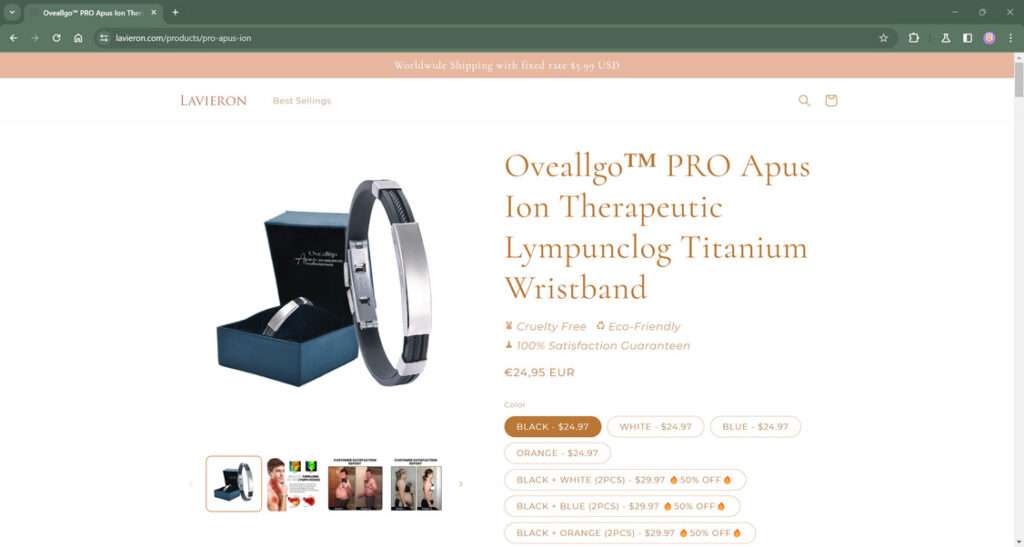
The Oveallgo Titanium Wristband Scam Overview
A widespread scam circulating online features aggressive health websites and social media ads heavily promoting a product called the Oveallgo Ion Therapeutic Lympunclog Titanium Wristband.
These promotions boast this bracelet leverages advanced ion therapy technology to help customers rapidly lose weight simply by wearing the band. Dramatic before-and-after images supposedly show users shedding up to 60+ pounds in just 12 weeks.
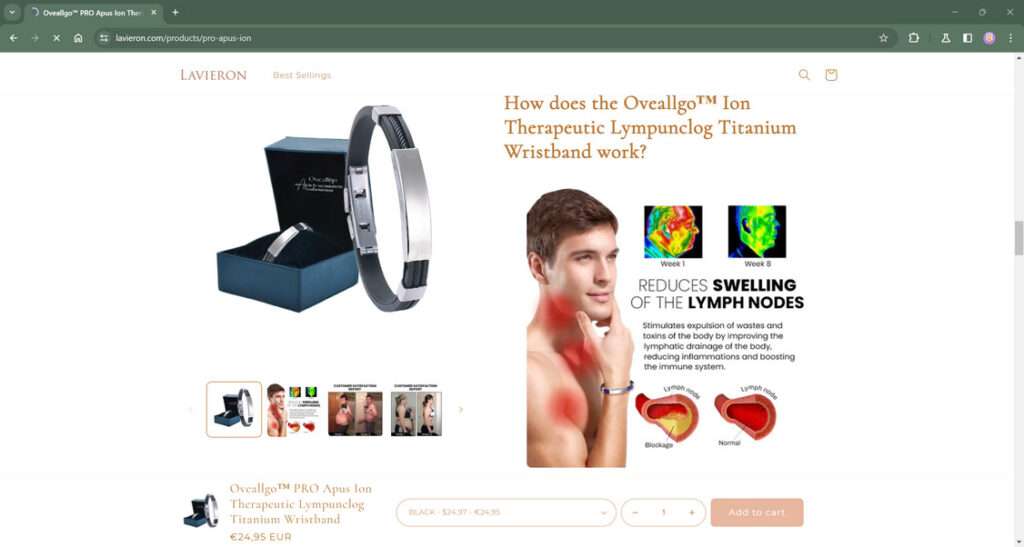
According to the misleading marketing, the Oveallgo wristband works through emitting negative ions and specific electromagnetic frequencies that break down fat cells and significantly speed up metabolism.
Scam Sites Make Outlandish Weight Loss Claims
The sites claim these specialized ions and signals are transmitted directly against the skin to “melt fat away”.
Furthermore, the ads assert the titanium construction of the band activates when in contact with the body’s natural moisture. This supposedly enables the Oveallgo bracelet to emit customized electromagnetic frequencies that reduce cellulite, diminish fat storage, and purge toxins.
The Bracelets Are Just Cheap Silicone Bands
However, our investigation reveals this heavily promoted Oveallgo Ion Wristband is nothing more than an egregious scam designed to deliberately mislead consumers.
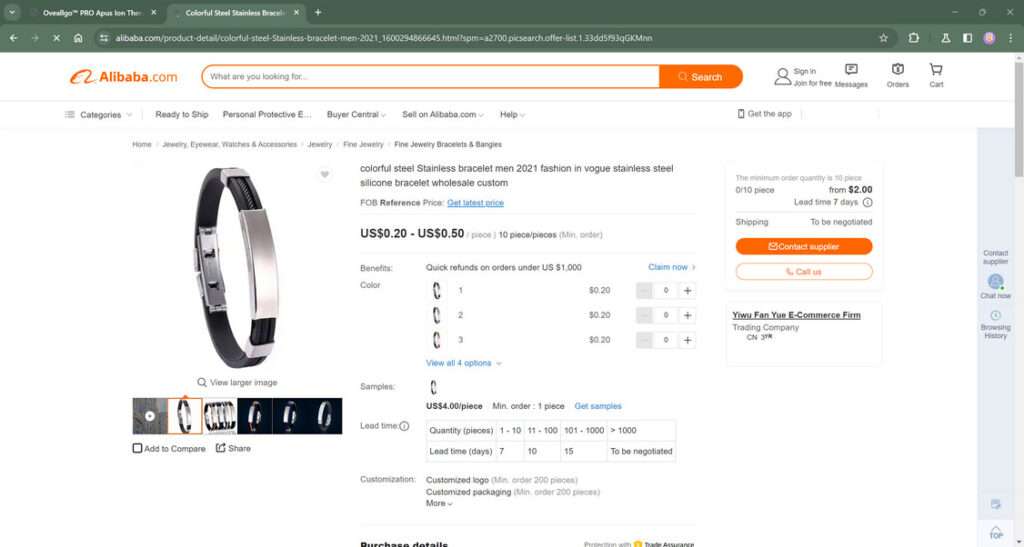
In reality, the bracelet itself is just a cheap $0.50 stainless steel and silicone wristband readily purchased in bulk from Chinese ecommerce sites like Alibaba for mere pennies.
Scammers Repackage and Resell Bands at Ripoff Prices
The scammers behind the Oveallgo scam simply take these generic silicone bands costing under a dollar and creatively repackage them in official-looking Oveallgo branded boxes and marketing materials.
This disguises the cheap bands as legitimate ion therapy products and enables selling them to consumers at insanely inflated prices ranging from $29 to $59 each.
All Dramatic Claims Are Complete Fiction
All the dramatic claims of customized electromagnetic frequencies, fat cell breakdown, rapid weight loss, and lymph detoxification are complete fiction. The Oveallgo bands have no special properties or weight loss effects whatsoever beyond being decorative jewelry.
Thousands Get Scammed By the Deceptive Marketing
Yet thousands of consumers get deceived by the glossy marketing into purchasing these near-worthless silicone wristbands at ripped off prices under the false impression they provide an effortless weight loss solution.
Scammers Pocket Huge Profits Through This Bait-and-Switch Deception
This deliberate bait-and-switch tactic allows the scammers behind the Oveallgo scam to reap huge profit margins off exploited victims by deceiving them through pseudoscience and exaggerated promises.
In summary, beware of this predatory scam targeting weight loss hopes through manipulated before-and-after images, fake reviews, and absurd scientific claims about silicone bands. Let reason outweigh emotion when evaluating dramatic diet promises.
How the Oveallgo Wristband Scam Operates to Deceive Buyers
Here is an in-depth look at how the predatory Oveallgo titanium wristband scam works to dupe consumers:
Step 1: Design Slick Sales Websites and Social Media Posts
The scammers setup persuasive health websites and social media pages promoting the Oveallgo wristband. These feature convincing before-and-after images, fake testimonials of rapid weight loss, and pseudo-scientific language about “negative ion therapy” and “fat cell breakdown”.
Step 2: Make Exaggerated Claims About the Product’s Effects
The sites brazenly claim wearing the wristband enables users to “lose 60+ pounds in 12 weeks” by emitting fat-busting ions and electromagnetic frequencies. These outlandish promises aim to entice desperate dieters.
Step 3: Purchase Cheap Silicone Bands for Pennies
Meanwhile, the scammers order $0.50 generic silicone wristbands in bulk for mere pennies each from Chinese manufacturers. These have no special properties.
Step 4: Disguise Bands as “Ion Therapeutic Bracelets”
The scammers repackage the cheap bands in professional Oveallgo branded packing that portrays them as ion therapy bracelets leveraging proprietary technology.
Step 5: Pressure Customers to Buy With Manipulative Tactics
Scarcity claims of “limited inventory!” and countdown timers pressure customers to immediately purchase the overpriced bracelets before time runs out.
Step 6: Sell Bands at Marked Up Prices of $29 – $59
Once lured in, victims pay hugely inflated prices of $29 to $59 each for the worthless bracelets, believing they are scientifically-engineered weight loss tech.
Step 7: Keep All Details Hidden
The scam sites conceal their real operators behind anonymous business names and offshore addresses to avoid accountability.
Step 8: Ignore Refund Requests
Angry customers who eventually realize it’s a scam find their refund requests get ignored, keeping profits secure.
Step 9: Shift Domains Frequently
As soon as a domain accumulates negative reviews and exposure, the scammers shift to a fresh site and repeat the scam.
This deliberate deception process allows them to keep profiting off desperate dieters seeking an effortless weight loss solution.
Recognizing the Warning Signs of the Oveallgo Bracelet Scam
Awareness of these red flags can help consumers avoid getting deceived:
- No Proof – There is zero credible evidence the cheap band can emit fat-eliminating ions or frequencies as claimed.
- Scarcity Pressure – Phony limited time offers aim to prevent scrutiny and drive impulse purchases.
- Shifting Domain Names – Constantly changing sites indicate operators abandoning exposed domains.
- No Address Details – Lack of a verifiable physical address or details prevents accountability.
- No Negative Reviews – 100% flawless ratings suggest censorship of critical reviews.
- Dodging Refunds – Uncooperative or nonexistent support makes getting money back difficult.
- Testimonials Seem Off – Vague, generic praise may indicate fabricated testimonials.
When a product seems too good to be true, approach claims with skepticism rather than get swayed by emotional messaging. Demand proof.
Identifying This Scam on Facebook
Facebook’s enormous reach makes it a prime platform to perpetuate the Oveallgo bracelet scam. Here are tips to detect their deceptive Facebook tactics:
- Sponsored Ads – Be suspicious of ads promoting unbelievable weight loss claims. For example: “This wristband helped me lose 50 lbs in 1 month using ion therapy!”
- Clickbait – Posts with headlines like “I wore this titanium band and the fat melted off!” encourage clicking without skepticism.
- Sensational Images – Dramatic before-and-after photos showing improbable weight loss results are often fake or doctored.
- Fake Reviews – Glowing reviews on Facebook pages with vague descriptions like “It’s amazing!” may be completely fabricated.
- Comment Censoring – Critical or doubtful comments get deleted right away, while positive praise remains.
- Hard Selling – Aggressive purchase urges, limited supply claims, and pressuring language are manipulative sales tactics.
Stay alert to these red flags when browsing Facebook. Seek real proof over sensational claims.
Spotting This Scam on Instagram
Watch for these common tactics on Instagram promoting the Oveallgo bracelet:
- Influencer Marketing – Paid influencer posts tout the product as a weight loss marvel but provide no credible testing.
- Aspirational Images – Glossy lifestyle photos depict the bands as a ticket to social acceptance and confidence.
- Excessive Hype – Captions contain over-the-top claims of “watching fat melt away” without substantive proof.
- One-Sided Comments – Critical questioning comments never get replies or approval from the account owner.
- Follower Irregularities – Unusually high follower counts with low engagement can expose fake bot followers.
- Sales Links – Profile links only to outside sales pages, not impartial reviews validating the grand claims.
Be wary of accounts using aspirational imagery over science. Demand authentic proof for remarkable claims.
Recognizing This Scam on TikTok
Here are signs of the Oveallgo bracelet scam on TikTok:
- Viral Hype Videos – Trendy videos praise the product but lack any real demonstrations or testing.
- No Critical Comments – All skeptical remarks questioning claims get deleted to maintain an illusion of unanimous praise.
- Fake Authority Claims – Videos reference nonexistent studies or fake expert endorsements as proof.
- Deceptive Captions – Exaggerated captions make bold claims without evidence like “This melted my belly fat so fast!”
- Affiliate Links – The profile links to outside sales pages, not impartial reviews, indicating profit motivations.
- Bot Followers – High follower counts with low engagement levels often expose fake bot followers.
Stay critical of viral hype on TikTok promoting unbelievable results. Check for real proof and transparent user reviews.
What To Do If You Ordered the Oveallgo Ion Wristband
If you unfortunately already purchased one of these overpriced silicone bands passed off as rapid weight loss tech, take these steps:
1. Dispute the Charges
Immediately contact your credit card issuer or payment provider to report the item was deceptively marketed and dispute the charges as fraudulent.
2. Demand a Refund
Reach out to the seller to demand an immediate and complete refund. Do this as soon as possible before return periods expire.
3. Leave Online Reviews
Expose the deception by leaving detailed negative reviews about your experience on consumer sites like TrustPilot and the BBB to warn others.
4. Report the Scam
File official scam reports with the FTC, state attorneys general, and other consumer protection groups to get the seller investigated.
5. Spread Awareness
Post on social media using relevant hashtags and tags to reduce the brand’s reach and alert more potential victims.
6. Monitor Your Credit
Keep close watch over your credit reports and account statements to detect any misuse of your personal or payment information.
Persistence getting refunds is key, as scammers often stonewall requests until victims give up. Don’t let them profit off this deliberate deception.
Frequently Asked Questions About the Oveallgo Ion Wristband Scam
Given the questionable claims surrounding the Oveallgo titanium wristband, many smart consumers have pressing questions. Here are answers to some of the most common FAQs.
What exactly is the Oveallgo bracelet scam?
This scam tricks customers into buying cheap $0.50 silicone wristbands from China that are deceptively packaged as “Ion Therapeutic Titanium Bracelets” that supposedly cause rapid weight loss through ions and frequencies.
How does it supposedly work to cause weight loss?
The scam ads and sites claim the titanium bracelets emit negative ions and fat cell disrupting electromagnetic frequencies when in contact with skin, causing substantial weight loss in weeks. This is patently false.
What proof is there that it works as advertised?
None. No credible studies, prototypes, or testing data validate these bracelets leverage “custom frequencies” to “melt fat away” as claimed. All evidence indicates it is a purposeful scam.
What red flags should raise suspicions?
No negative reviews, fake dramatic images, refusal of refunds, exaggerated claims of losing “60+ lbs”, no company address, constantly shifting domains, and pressure tactics are clear red flags.
Can it really help you lose weight?
No. The bands have absolutely no effect on weight loss or body fat. They are merely decorative silicone wristbands like those sold for pennies on Alibaba and AliExpress.
What should you do if you purchased one?
Immediately contact your credit card company and file a fraud dispute. Report the deception to the FTC and BBB to potentially stop the scam. Post warnings online to help prevent more victims.
How can I avoid these scams in the future?
Be skeptical of any product making outrageous weight loss claims. Thoroughly research companies and products before purchasing. Beware of fake testimonials, doctored images, and pressure tactics aiming to manipulate emotions.
Carefully scrutinize remarkable claims and trust objective evidence over hype. Make smart purchasing choices and avoid “miracle” weight loss scams.
The Bottom Line on the Oveallgo Wristband Scam
In summary, exercice extreme caution regarding weight loss claims surround the Oveallgo Ion Therapeutic Titanium Wristband or similar ion therapy bracelets.
No credible scientific evidence supports assertions these cheap silicone bands can “melt away fat” through specialized frequencies or ion emissions. All indications point to an intentional scam operation repackaging 50 cent products to deceive and exploit desperate dieters.
Approach dramatic promises of easy weight loss with healthy skepticism. Seek out impartial customer reviews and proof from real users, not just polished websites. And understand no passive bracelet provides an effective weight loss shortcut – but lifestyle choices like nutrition and exercise do.
Stay vigilant against scams capitalizing on body image insecurities through manipulation. Make purchasing decisions based on facts over emotional claims. Protect yourself and your finances from deceptive diet scams.

Join the discussion
0 commentsShare your experience or ask a question about this article.
Discussion
Start the conversation
Have a question or something useful to share? Add the first comment.