

If you’ve been browsing social media or video platforms recently, chances are you’ve seen ads promising that a “pink salt recipe” can help you drop 50 pounds in just two weeks—without exercising or dieting. The ads show vibrant visuals, dramatic weight loss claims, and a simple message: use four kitchen ingredients, and watch your fat melt away. But what they’re really doing is leading you to buy a supplement called Ozemphine, or a similar product, through misleading marketing.
Today, we’ll uncover what these Ozemphine ads are really about, how the scam is set up, and what to do if you’ve already fallen into the trap. Let’s break it down.
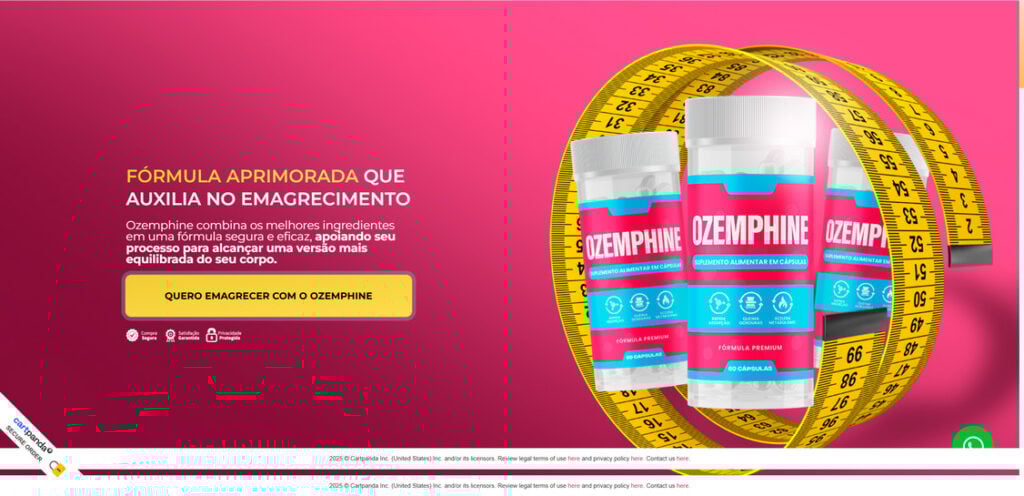
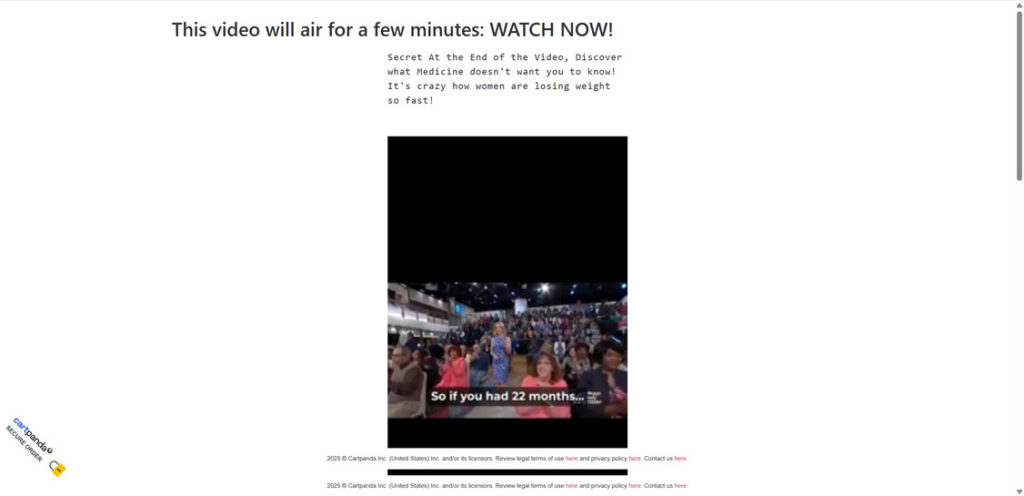
Scam Overview
The Ozemphine scam is part of a larger ecosystem of deceptive health marketing tactics that use fake stories, false claims, and emotional manipulation to sell unproven supplements. The scam typically begins with ads promoting a “Japanese pink salt recipe” that promises extreme weight loss in record time. They claim the method is backed by science, endorsed by Harvard or Oxford, and used by celebrities.

But instead of giving you the recipe, you’re funneled into watching a long video that delays the real purpose: selling Ozemphine, a supplement that supposedly recreates the results of the recipe, but with none of the recipe actually revealed.
Here are the core components of the scam:
- False Health Claims: The ad says Ozemphine burns 3.3 pounds of fat in 24 hours, flattens the stomach, removes toxins, and regulates hormones. There is no clinical evidence to support these statements.
- Fabricated Endorsements: Supposed support from Harvard, Oxford, or TV shows like the Today Show is often used. No real academic or media outlet has endorsed these claims or products.
- Fake Testimonials: They use stock images and scripted stories to make it appear that real people have seen incredible success.
- Bait and Switch: You’re promised a free recipe, but you’re eventually sold a supplement with recurring billing hidden in the fine print.
- No Ingredient Transparency: The supplement’s label is often vague or not shown at all, making it difficult to verify what’s actually in the bottle.
- Recurring Charges: Victims often report being charged monthly, with no option to cancel or request a refund successfully.
This scam exploits consumer trust, particularly people who are struggling with their weight and looking for a fast solution.
How the Scam Works
Step 1: The Initial Hook
You’re scrolling through social media and see a sponsored post or story titled something like, “Mom Discovers Ancient Japanese Pink Salt Trick That Melts Fat.” The ad features a dramatic before-and-after photo and urges you to click to watch a short video.
Step 2: The Long Video
You’re taken to a page with a lengthy video—often 30 to 60 minutes long—promising to reveal the simple recipe. As the video plays, it uses emotional appeals, pseudo-science, and dramatic music to keep you engaged. It builds suspense around a mysterious “natural solution” suppressed by the diet industry.
Step 3: The Bait-and-Switch
Near the end of the video, the narrator claims the original recipe is too hard to follow or not optimized. That’s when they introduce Ozemphine as a “more powerful” alternative. The original pink salt recipe is never actually revealed.
Step 4: The High-Pressure Sales Page
You’re now directed to a checkout page, usually on Digistore24 or a similar platform. It displays various package deals—1 bottle, 3 bottles, 6 bottles—with bold promises like “You Save $780!” There are countdown timers, fake stock alerts (“Only 3 bottles left!”), and money-back guarantees with fine print.
Step 5: Auto-Enrollment in Subscriptions
When you purchase a bottle, you’re often unknowingly signed up for a monthly subscription. The billing terms are buried deep in the terms and conditions. Within 30 days, you see another charge—and likely a few more.
Step 6: Vanishing Support and No Refunds
When customers try to get a refund or cancel, they often run into roadblocks. The support links are broken, customer service doesn’t respond, and any guarantees turn out to be hollow. Many users report being ghosted after payment.
Step 7: Repeat Ad Targeting
Once you click, you’re added to a marketing funnel. You may start seeing similar ads for Burn Jaro, GlycoShield, or other fake brands—many using the same tactics and video format. It’s a revolving door of deception.
What to Do If You’ve Fallen Victim to the Ozemphine Scam
- Stop Further Payments
- Contact your bank or credit card company immediately. Request a new card and cancel any active or recurring charges related to Ozemphine or Digistore24.
- Dispute the Charges
- File a dispute with your credit card provider. Clearly explain the misleading nature of the product, the lack of transparency, and your inability to cancel.
- Report the Scam
- File complaints with the following organizations:
- Federal Trade Commission (www.ftc.gov)
- Better Business Bureau (www.bbb.org)
- Internet Crime Complaint Center (www.ic3.gov)
- Econsumer.gov (for international users)
- File complaints with the following organizations:
- Leave Reviews and Warnings
- Post reviews on Trustpilot, Reddit, BBB, and forums where others may be researching Ozemphine. Warn others by sharing your experience.
- Monitor Your Accounts
- Check your bank and credit statements regularly. Look out for other suspicious transactions or charges.
- Secure Your Personal Information
- If you submitted personal details (email, address, phone), you may be at risk for future spam or phishing attempts. Be cautious with suspicious emails or texts.
- Educate Others
- Share information about how these scams work. The more people know, the fewer fall for these traps.
Frequently Asked Questions (FAQ)
What is Ozemphine?
Ozemphine is a weight loss supplement heavily promoted through deceptive online ads. These ads often claim it mimics the effects of a secret “pink salt recipe” that supposedly melts fat rapidly. However, there is no scientific evidence to support the effectiveness of Ozemphine, and its marketing is commonly associated with scam tactics.
Is the pink salt recipe real?
No. The “pink salt recipe” mentioned in the ads is a fabricated hook designed to get users to watch a long video and eventually buy a supplement like Ozemphine. The recipe is never actually revealed.
Are the weight loss claims true?
No. Claims such as “lose 3.3 pounds in 24 hours” or “drop 50 pounds in two weeks” are not supported by science and are medically unsafe. Sustainable weight loss typically occurs at a rate of 1–2 pounds per week under a controlled diet and exercise plan.
Is Ozemphine FDA approved?
No. Ozemphine is not approved by the Food and Drug Administration (FDA) and does not undergo any formal review for safety or effectiveness. It is sold as a dietary supplement, which is not regulated to the same standard as prescription medications.
Why are there so many versions of the same ad?
The scam operators use multiple variations of the same story, visuals, and scripts to reach different audiences and avoid detection. These recycled ads often promote similar products under different names like Burn Jaro or GlycoShield.
Is there a subscription involved?
Yes, in most cases. Customers report being unknowingly enrolled in a recurring billing subscription after their initial purchase. These charges may continue monthly, and cancellation is often difficult or ignored.
How can I cancel my subscription?
Many users report that customer support is unresponsive or that cancellation links do not work. The most effective step is to contact your bank or credit card company directly and request a stop payment or chargeback.
Can I get a refund?
Refunds are rarely honored by the companies behind Ozemphine. Your best chance is to file a dispute with your credit card provider or payment processor (like PayPal) and explain the deceptive nature of the transaction.
What should I do if I already bought it?
Immediately contact your bank to block future charges, report the scam to consumer protection agencies, and monitor your personal accounts for suspicious activity. See the “What to Do If You’ve Fallen Victim” section for full instructions.
How can I avoid scams like this in the future?
Be cautious of ads that promise extreme results with little effort. Look for missing ingredient lists, vague medical claims, and emotional storytelling without evidence. Always research the product name and company before making any online purchase.
The Bottom Line
The Ozemphine scam is part of a broader trend of deceptive digital marketing schemes in the weight loss industry. Promising fast results with minimal effort, these ads lure in consumers with exaggerated claims, bait-and-switch tactics, and predatory subscription models.
There is no magic supplement that melts fat overnight. Healthy weight loss comes from sustainable lifestyle changes—eating well, staying active, and being consistent.
Always be skeptical of dramatic transformation stories, vague ingredient lists, and pressure-filled sales pages. If something sounds too good to be true, it probably is.

Reviews & discussion
0 commentsShare a firsthand experience, or ask a question.
Community reviews
Ozemphine Weight Loss
Moderated reader experiences, not an editorial verdict.
Start the conversation
Have a question or something useful to share? Add the first comment.