

It started with a bizarre video: Mel Gibson talking about a “bathroom ritual” that could shrink your prostate. Strange? Absolutely. But what if this clip wasn’t real at all? Welcome to the murky world of the ProstaPrime scam — an elaborate web of AI-generated celebrity deepfakes, fake medical claims, and shady marketing.
This article will unpack everything you need to know about the ProstaPrime scam, how it works, why it’s dangerous, and what you can do if you’ve fallen victim. Stick around — the truth is more shocking than the ad.
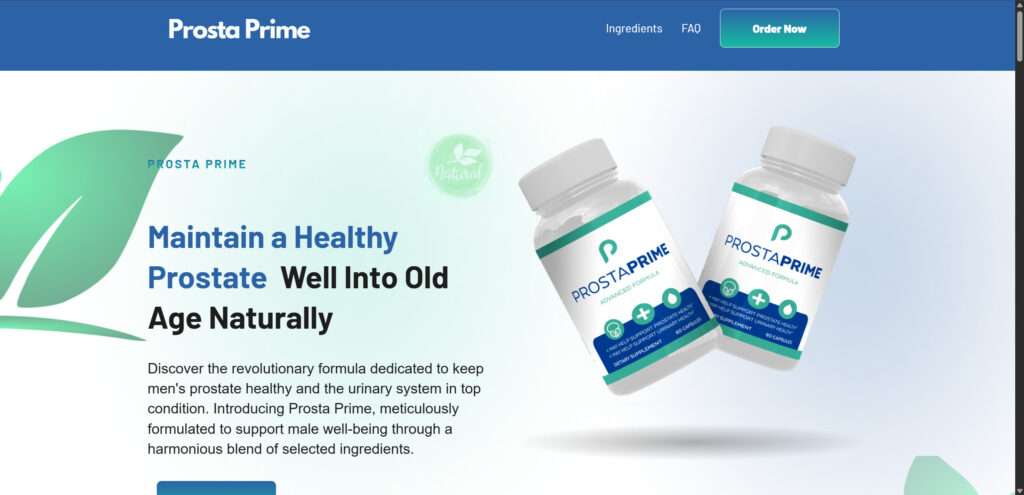
ProstaPrime Overview
The False Front of ProstaPrime
ProstaPrime is marketed as a “natural formula” designed to support prostate health. Its promotional materials claim it’s backed by scientific research, doctor endorsements, and glowing celebrity reviews. On the surface, it appears to be a breakthrough supplement. In reality, it’s part of a highly misleading marketing campaign filled with fabrications and potentially dangerous implications.
The Role of Deepfake Videos
The scam made waves via Facebook and Instagram video ads. One of the most viral clips featured a fabricated video of Mel Gibson, allegedly promoting ProstaPrime during an appearance on The Graham Norton Show. In the deepfake, Gibson talks about a 10-second bathroom ritual targeting a pressure point on the back of the neck. He also strangely mentions the California wildfires. None of this ever happened.
The audio was AI-generated, and Gibson had no involvement with ProstaPrime.
Fake Endorsements by Joe Rogan and Mike Tyson
The same video, hosted on questionable websites like trueflowx.com, transitions into a long-form pitch using doctored footage of Joe Rogan and Mike Tyson. In the fake video:
- Joe Rogan supposedly admits he urinates five times a night and was shocked to learn about prostate parasites.
- Mike Tyson appears next, name-dropping doctors like Dr. James and Dr. Fontana, praising ProstaPrime.
Again, neither celebrity has endorsed the product. These are AI-generated impersonations — a clear sign of malicious intent.
The Fake Survey
Before the video plays, users are often funneled through a fake online survey. It claims that “most people have no idea about this prostate parasite… it has been life changing.” No data is ever collected. It’s just a psychological trick to make the viewer feel part of a discovery process.
Misuse of Scientific Logos
Below the video, logos from prestigious organizations are displayed:
- Harvard University
- National Center for Biotechnology Information (NCBI)
- Frontiers in Pharmacology
- The Lancet Planetary Health
These are not endorsements. The names are used without permission, aiming to build false credibility.
Dubious E-Commerce Platform
Eventually, users land on trueflowx.com, a slick but suspicious e-commerce site offering ProstaPrime. The layout includes:
- Fake discounts
- Urgent calls-to-action like “Only a few bottles left!”
- Claims of over 88,000 satisfied users
- A “60-Day Money Back Guarantee” (which is rarely honored)
The site also tracks user behavior aggressively and has been linked to advertising servers in Brazil, possibly indicating the origin of the scam or distribution network.
Trustpilot and Real Reviews
On Trustpilot, ProstaPrime has a 1-star rating — and only one review. This indicates that the product is not actively used or trusted, despite the wild claims in the video ads.
Involvement of Fake Doctors
Characters like “Robert Smith, MD,” supposedly introducing the miracle method, are entirely fictional. So are Dr. Fontana and Dr. James — recurring names in the video presentation. There’s no public record of these professionals in connection with any prostate health research.
This scam has been also investigated by Jordan Liles on his YouTube channel, where he offers a detailed video on the subject. We recommend watching his content for a comprehensive understanding of the scam.
Next, let’s break down exactly how scammers carry out this scam from start to finish.
How the ProstaPrime Scam Works
Step 1: Eye-Catching Ad with Celebrity Face
The scam begins with a video ad on Facebook or Instagram. It features what appears to be Mel Gibson or another celebrity talking about prostate health in a compelling, “secret tip” style.
Step 2: Fake News Format or Survey
Clicking the video often leads to a survey-style landing page. The survey asks a few vague questions like:
- Do you wake up to urinate at night?
- Have you experienced discomfort while urinating?
No matter what you answer, the survey claims you qualify for an “exclusive” video.
Step 3: Deepfake Video with Manipulated Celebrities
A lengthy deepfake video loads. It contains:
- AI-generated voiceovers for Joe Rogan, Mike Tyson, and other celebrities.
- Comments about parasites, obscure morning rituals, and mysterious doctors.
- Unsubstantiated claims and invented statistics.
These tactics are used to build trust quickly.
Step 4: Scientific Logos and Fake Affiliations
Just as you’re thinking it might be legit, the video shows respected medical and academic logos. These include:
- Harvard
- NCBI
- Frontiers in Pharmacology
- The Lancet
These visuals are meant to override your skepticism.
Step 5: Push to Purchase
After 10–15 minutes, you’re pushed to trueflowx.com or prostaprime.com. There, you’ll see 3–6 bottle bundles, fake discounts, and a countdown timer suggesting scarcity.
The packages include:
- 1 bottle for $69
- 3 bottles for $177
- 6 bottles for $294
All include the promise of “free shipping” and “60-day money-back guarantee.”
Step 6: Payment and Zero Customer Support
Once you buy, the problems begin:
- Refunds are almost never honored
- Customer support is non-existent
Some users also report recurring charges even after a one-time purchase.
What to Do If You Have Fallen Victim to the ProstaPrime Scam
If you’ve purchased ProstaPrime or provided personal information, act fast. Here’s a step-by-step recovery guide:
1. Cancel the Payment Immediately
Contact your bank or credit card company and:
- Request to dispute the charge
- Flag the transaction as fraudulent
- Ask about options for a chargeback
2. Report the Scam
File official complaints to help authorities:
- FTC (U.S. residents): ReportFraud.ftc.gov
- Better Business Bureau: bbb.org/scamtracker
- Internet Crime Complaint Center (IC3): ic3.gov
3. Monitor and Protect Your Identity
Scammers may sell your data. Be proactive:
- Set up fraud alerts on your credit file
- Consider freezing your credit
- Use an identity protection service (like LifeLock or Aura)
4. Leave a Review to Warn Others
Post your experience on:
- Trustpilot
- BBB
- Reddit (e.g., r/scams)
This helps others avoid the same trap.
5. Don’t Consume the Product
If ProstaPrime arrives, do not ingest it. The product is unregulated, and its ingredients may not match the label. Dispose of it safely.
6. Alert the Platform
If you saw the ad on Facebook, Instagram, or YouTube:
- Report the ad via the platform’s tools
- Flag the seller account as suspicious
This helps reduce future exposure.
Frequently Asked Questions (FAQ) About the ProstaPrime Scam
What is ProstaPrime?
ProstaPrime is a supplement marketed for prostate health. However, it has been associated with deceptive advertising practices, including deepfake videos and false celebrity endorsements, making it a likely scam.
Is ProstaPrime FDA-approved?
No, ProstaPrime is not FDA-approved. There is no verified scientific evidence supporting its claims, and it is not regulated or approved by any recognized health authority.
Did Mel Gibson, Joe Rogan, or Mike Tyson promote ProstaPrime?
No. The videos featuring Mel Gibson, Joe Rogan, and Mike Tyson are deepfakes created using artificial intelligence. None of these public figures have endorsed or promoted ProstaPrime.
Who is Dr. Fontana or Dr. James?
There is no verified record of any real medical professionals named Dr. Fontana or Dr. James being affiliated with ProstaPrime. These names appear to be fictional or misrepresented to build trust with potential buyers.
What is the “bathroom ritual” they talk about?
The so-called “bathroom ritual” is a fabricated concept used to market the product. It involves vague instructions about applying pressure to the back of the neck, with no scientific backing or medical validity.
Can I get my money back?
While the ProstaPrime website claims to offer a 60-day money-back guarantee, many users report that refunds are rarely issued. If you purchased the product, contact your bank or credit card provider to dispute the charge.
Is it safe to take ProstaPrime?
The safety of ProstaPrime is questionable. Because the product is unregulated, and there is no transparency about the manufacturer or the true ingredients, it’s best not to consume it. Always consult your doctor before taking any supplement.
What should I do if I bought ProstaPrime?
If you purchased ProstaPrime, you should immediately contact your payment provider to dispute the charge. Do not use the product, and consider reporting the scam to the FTC or local consumer protection agency.
Why does the website use logos from Harvard and other institutions?
The use of logos from Harvard University, NCBI, and other institutions is unauthorized and misleading. These organizations do not endorse ProstaPrime in any way.
The Bottom Line
The ProstaPrime “bathroom ritual” is not a breakthrough in men’s health — it’s a carefully engineered scam leveraging deepfakes, fake authority, and manipulative tactics to exploit fear and curiosity.
Celebrity endorsements? Fake. Doctor testimonials? Fabricated. Scientific backing? Misrepresented.
If you or someone you know has interacted with these ads, take action immediately. And always consult a real medical professional before trusting any online health solution.
Stay alert. Stay skeptical. And remember: if it sounds too good to be true, it probably is.
Disclaimer: This article is for informational purposes only and is not medical advice. If you’re experiencing health issues, consult a licensed healthcare provider.

Join the discussion
0 commentsShare your experience or ask a question about this article.
Discussion
Start the conversation
Have a question or something useful to share? Add the first comment.