

Scams have become increasingly prevalent in the digital age, with scammers constantly finding new ways to deceive unsuspecting individuals. One such scam that has gained traction in recent years is the ‘Publix Giving Everyone A Free Coupon’ Facebook giveaway scam. This article aims to provide a comprehensive overview of this scam, including what it is, how it works, what to do if you have fallen victim, technical details, and statistics to support the points made.
What is the ‘Publix Giving Everyone A Free Coupon’ Facebook Giveaway Scam?
The ‘Publix Giving Everyone A Free Coupon’ Facebook giveaway scam is a fraudulent scheme that aims to trick users into providing personal information or downloading malicious software. It typically appears as a post on Facebook claiming that Publix, a popular supermarket chain, is giving away free coupons to everyone. The post often includes an enticing image or video to attract attention and increase the likelihood of users falling for the scam.
How Does the Scam Work?
The scam works by exploiting users’ desire to save money and take advantage of freebies. When users click on the post, they are directed to a website or a Facebook page that appears to be affiliated with Publix. The page may ask users to complete a survey, provide personal information, or download a coupon. However, these actions are designed to deceive users and collect their personal information or install malware on their devices.
Once users provide their personal information or download the coupon, scammers can use the collected data for various malicious purposes, such as identity theft, phishing attacks, or selling the information to other cybercriminals. In some cases, the downloaded coupon may contain malware that can infect users’ devices and compromise their security.
What to Do If You Have Fallen Victim?
If you have fallen victim to the ‘Publix Giving Everyone A Free Coupon’ Facebook giveaway scam, it is crucial to take immediate action to protect yourself and minimize the potential damage. Here are the steps you should follow:
- Disconnect from the internet: If you suspect that your device has been compromised, disconnect from the internet to prevent further communication between your device and the scammer’s server.
- Scan your device for malware: Run a scan with a reputable antivirus or anti-malware software to detect and remove any malicious software that may have been installed on your device. We recommend using Malwarebytes Free for comprehensive protection.
- Change your passwords: Change the passwords for all your online accounts, especially those associated with sensitive information such as banking or social media accounts. This step helps prevent unauthorized access to your accounts.
- Monitor your accounts: Keep a close eye on your financial and online accounts for any suspicious activity. Report any unauthorized transactions or changes immediately to the respective service providers.
- Be cautious of future scams: Learn from the experience and be more vigilant when encountering similar offers or giveaways in the future. Remember that if something seems too good to be true, it probably is.
Technical Details of the Scam
The ‘Publix Giving Everyone A Free Coupon’ Facebook giveaway scam utilizes various techniques to deceive users and collect their personal information. Here are some technical details of the scam:
- Social engineering: The scam relies on social engineering tactics to manipulate users’ emotions and curiosity, enticing them to click on the post and engage with the fraudulent website or Facebook page.
- Phishing: The scam often involves phishing, where scammers create fake websites or pages that closely resemble legitimate ones to trick users into providing their personal information.
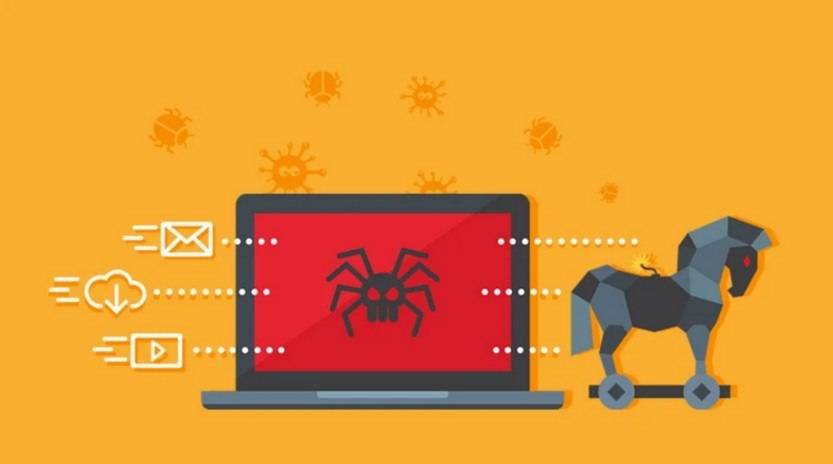
- Malware distribution: In some cases, the scam may distribute malware through the downloaded coupon. The malware can range from adware that bombards users with unwanted advertisements to more dangerous forms of malware that can steal sensitive information or take control of the infected device.
Statistics on Facebook Scams
Facebook scams, including the ‘Publix Giving Everyone A Free Coupon’ Facebook giveaway scam, have become a significant concern for both users and the platform itself. Here are some statistics that highlight the prevalence and impact of Facebook scams:
- According to a report by the Better Business Bureau, Facebook scams accounted for over $117 million in reported losses in 2020.
- In a survey conducted by NortonLifeLock, 1 in 10 respondents reported falling victim to a Facebook scam.
- Facebook reported removing 1.3 billion fake accounts between October and December 2020, highlighting the scale of fraudulent activities on the platform.
Summary
The ‘Publix Giving Everyone A Free Coupon’ Facebook giveaway scam is a deceptive scheme that aims to trick users into providing personal information or downloading malware. It preys on users’ desire for freebies and uses social engineering tactics to manipulate their emotions. If you have fallen victim to this scam, it is crucial to take immediate action by disconnecting from the internet, scanning your device for malware, changing your passwords, monitoring your accounts, and being cautious of future scams.
Facebook scams, including this particular scam, have become a significant problem, resulting in substantial financial losses and compromising users’ security. It is essential for users to stay informed, exercise caution, and report any suspicious activities to protect themselves and others from falling victim to these scams.

Join the discussion
0 commentsShare your experience or ask a question about this article.
Discussion
Start the conversation
Have a question or something useful to share? Add the first comment.