

Back pain can make an ordinary day feel narrow, expensive, and frightening, especially when an advertisement starts talking about injections or surgery.
RejuvaCare’s Triple Method Back Massager enters at exactly that moment, offering a home routine with unusually bold promises and a complicated guarantee.
Overview
What RejuvaCare Advertises
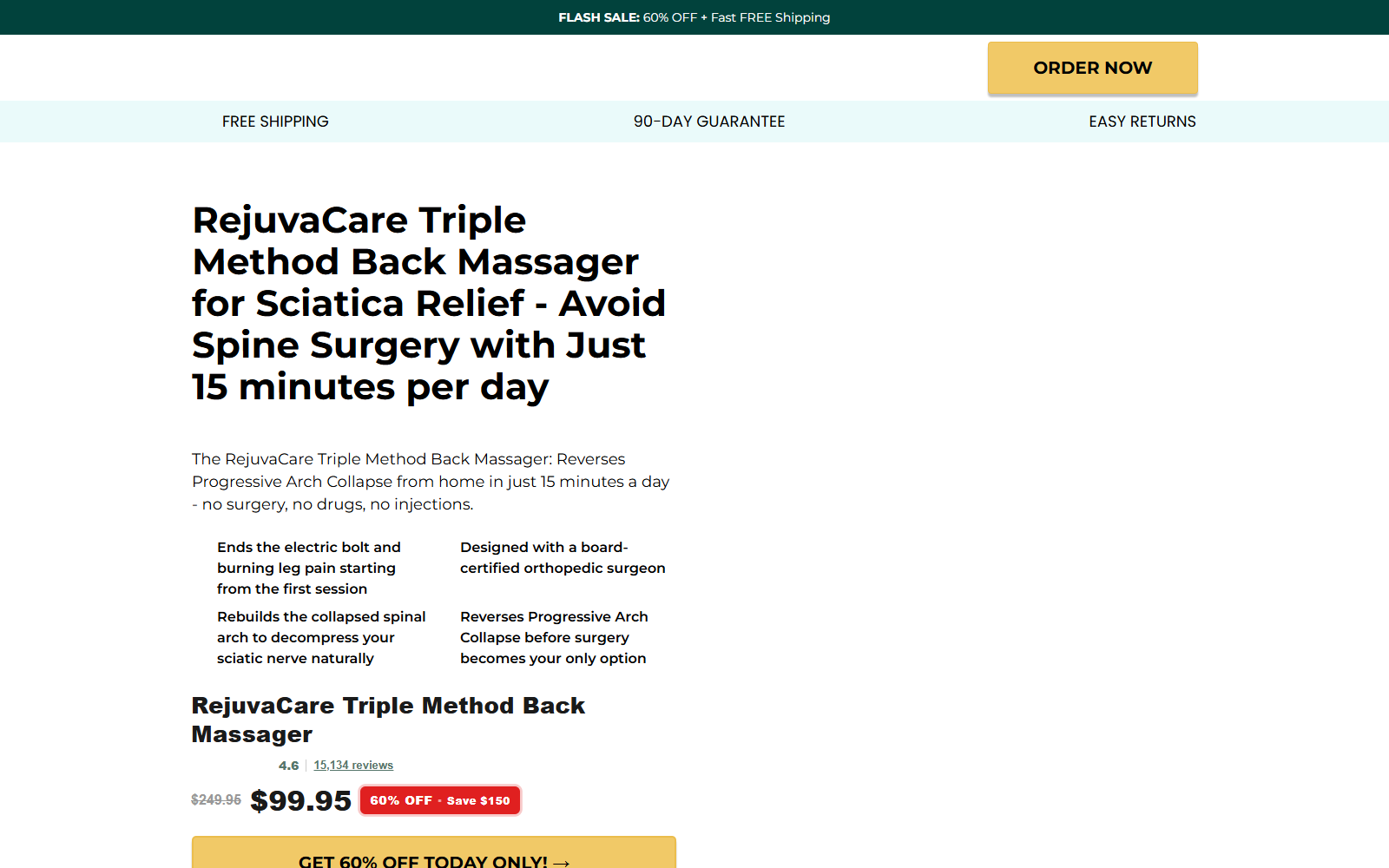
RejuvaCare sells a curved back massager for $99.95. The product combines stretching, pressure points, and vibration in a single floor-based device.
Its sales presentation says users can spend 15 minutes daily addressing back tension and sciatic discomfort from home.
The strongest wording goes much further. The page references avoiding spine surgery, reversing progressive arch collapse, and feeling relief from an initial session.
Those statements can sound like treatment outcomes, not modest comfort claims for a consumer massage device.
The Most Important Concerns
The device itself may provide stretching or massage. The main problems involve the strength of the medical narrative and conditions attached to refunds.
- The page places surgery avoidance prominently in the sales message.
- It says the device reverses progressive arch collapse.
- It displays a claim of 15,134 reviews.
- The 90-day guarantee requires a narrow claim window.
- The policy includes a 15% restocking fee and shipping deductions.
- The seller may choose replacement instead of refund.
- Terms preserve recurring charges for existing subscribers.
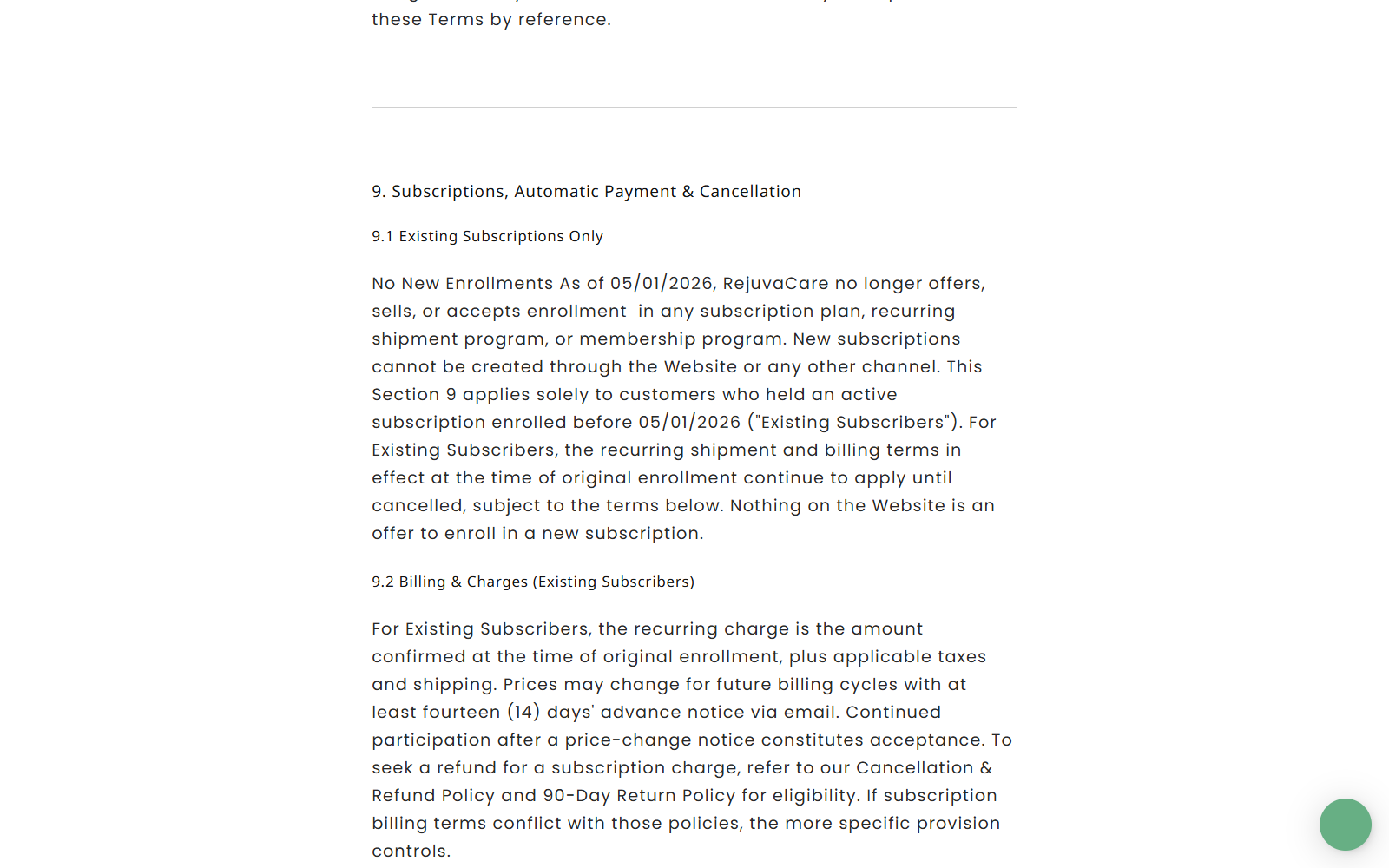
The current terms also say no new subscriptions are offered after May 1, 2026. That point must be separated from the continuing rules for existing subscribers.
Our Assessment
We would not describe every RejuvaCare order as fraudulent. A physical back massager exists, and some users may enjoy its pressure or stretching sensation.
However, a massage device cannot determine why someone has pain. Sciatica-like symptoms may come from several conditions with different risks and treatments.
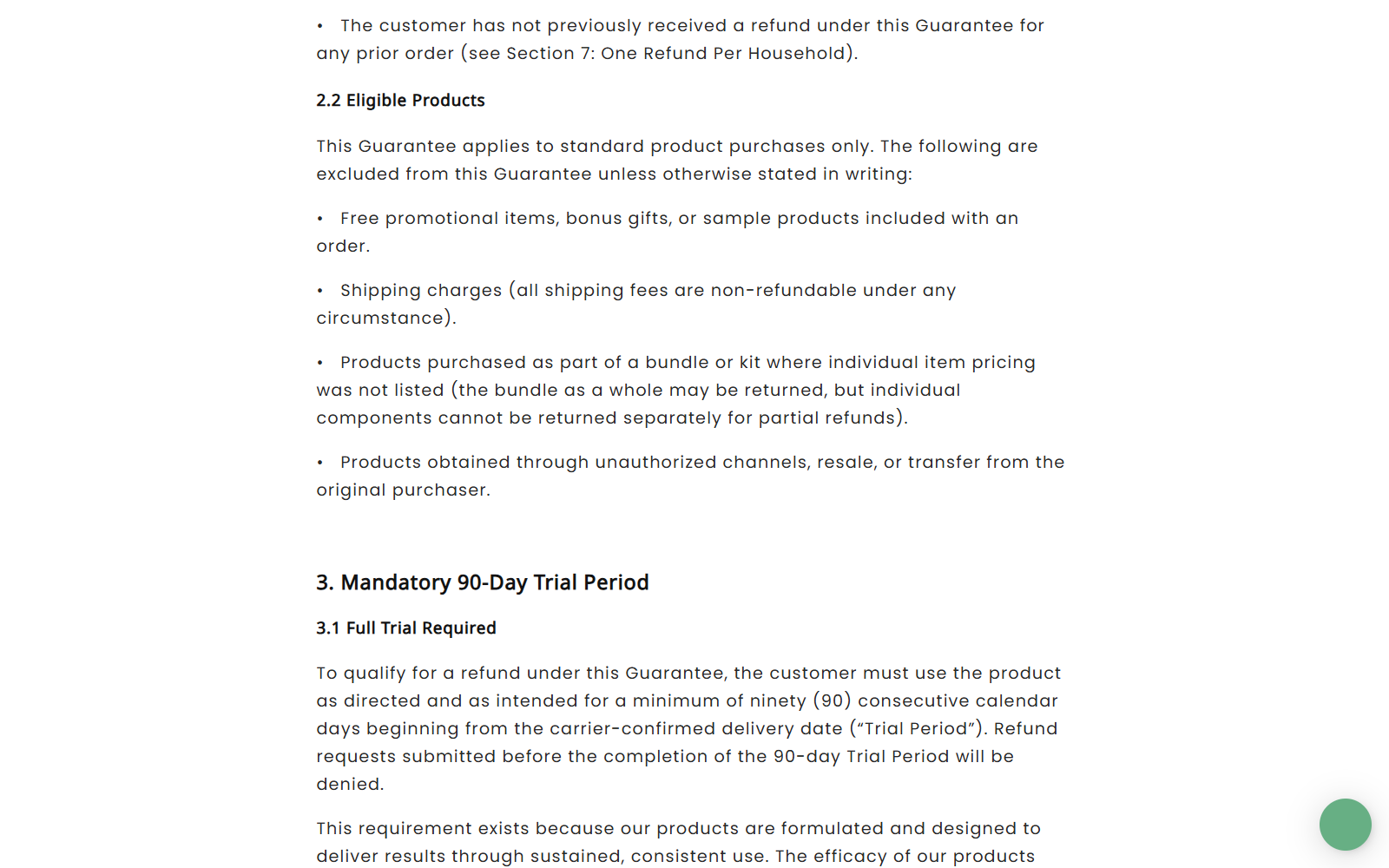
The guarantee is particularly easy to misunderstand. Customers must use the product for 90 days, then submit a claim during days 90 through 100.
That unusual structure can leave buyers with only a short period to act after a long mandatory trial.
Why the Medical Claims Matter
“Avoid Surgery” Is a Powerful Emotional Trigger
Few phrases create more urgency than spine surgery. It evokes cost, recovery, fear, lost work, and uncertainty about long-term movement.
Placing that idea next to a discounted home device encourages a buyer to compare two options that are not medically equivalent.
Surgery is recommended only in specific circumstances after evaluation. A sales page cannot know whether a visitor needs surgery, therapy, medication, imaging, or reassurance.
The relevant question is not whether massage feels pleasant. It is whether the advertised device can support the treatment implications used to sell it.
Back Pain Has Many Possible Causes
Muscle tension, joint irritation, disc problems, nerve compression, fracture, infection, inflammation, and internal conditions can all produce back symptoms.
A curved massager does not diagnose among them. Temporary relief after pressure or stretching does not reveal the underlying cause.
New weakness, loss of bladder control, saddle numbness, fever, major trauma, unexplained weight loss, or severe night pain requires prompt medical attention.
An advertisement that emphasizes a universal daily routine should not override those warning signs.
“Reverses” Requires Strong Evidence
Reversing progressive arch collapse is a specific structural claim. It suggests more than relaxation, comfort, or short-lived mobility.
The page reviewed did not present robust independent clinical evidence demonstrating that typical users reverse a progressive spinal condition with this device.
Before accepting such wording, buyers should look for published methods, defined diagnoses, comparison groups, measured outcomes, adverse events, and independent replication.
A testimonial montage and a large review number cannot answer those questions.
How the RejuvaCare Sales Funnel Works
Step 1: Pain Is Framed as a Worsening Mechanical Problem
The pitch describes back discomfort as a pattern that ordinary stretching or ignored symptoms may not solve.
This can make the buyer feel that delay is dangerous, while the promoted device appears designed to address several mechanisms simultaneously.
The triple-method name reinforces that impression. More mechanisms sound more comprehensive, even when clinical effectiveness has not been established.
Step 2: The Device Is Compared With More Serious Care
References to surgery and sciatic pain elevate the product from a comfort accessory to something resembling a treatment pathway.
That comparison changes how a shopper evaluates $99.95. The price seems small beside medical procedures, appointments, or repeated therapy.
A favorable price comparison does not demonstrate equivalent outcomes. It only changes the emotional anchor.
Step 3: Review Volume Supplies Social Proof
The sales page displays 15,134 reviews. A large number can make the offer feel widely tested and broadly successful.
Buyers should ask where those reviews came from, whether purchase verification exists, how negative feedback is handled, and which product version was reviewed.
Without transparent collection methods, review volume is a marketing claim rather than independent performance evidence.
Step 4: A Large Discount Pushes Immediate Action
The page presents a 60% discount and sale framing. This makes postponing a decision feel like losing both relief and money.
Back pain already reduces patience. Combining discomfort with a temporary bargain can shorten the careful review that medical-style claims deserve.
Take screenshots and revisit the page later. If the same final-day language persists, the urgency was promotional rather than informative.
Step 5: The Guarantee Removes Purchase Anxiety
A 90-day money-back guarantee sounds generous. Many buyers naturally assume they can request a refund at any point during those 90 days.
RejuvaCare’s detailed policy says otherwise. It requires 90 consecutive days of use and places the claim window between days 90 and 100.
Someone who decides on day 30 that the product is unsuitable may not fit the advertised guarantee process.
Step 6: The Seller Retains Several Remedies
The policy allows the company to decide whether a complaint leads to troubleshooting, replacement, exchange, store credit, partial refund, or full refund.
It also mentions a 15% restocking fee and deductions involving shipping. The final recovery can therefore be smaller than the purchase price.
Refusing an approved replacement may waive refund eligibility under the published wording. That is important when the complaint concerns the product design itself.
Step 7: Legacy Subscription Terms Remain Relevant
The current terms say RejuvaCare stopped offering new subscriptions after May 1, 2026. Existing subscriptions may continue until canceled.
Those legacy provisions describe recurring charges, possible price changes with 14 days’ notice, and cancellation at least 24 hours before renewal.
We found no basis to claim every new massager purchase automatically creates a subscription. Existing customers should still inspect their statements and account status.
Company, Address, and Fulfillment Checks
The Seller Provides a Kentucky Contact Address
RejuvaCare lists 9105 Nottingham Parkway in Louisville, Kentucky, along with support channels. That is more information than many short-lived product funnels provide.
An address on a page does not establish manufacturing location, clinical expertise, or refund performance. It gives customers a starting point for verification.
Check whether receipts, card statements, return authorizations, and policy notices consistently identify the same operating entity.
Manufacturing and Device Details Remain Important
Buyers should look for the actual manufacturer, model number, electrical certifications, material composition, contraindications, and written instructions.
A marketing brand can sell a device manufactured elsewhere. That is common, but traceability matters when vibration, body weight, heat, or electrical components are involved.
Packaging should identify the responsible supplier and include safety guidance, not merely repeat promotional claims.
Support Must Explain the Guarantee Before Purchase
Ask support what happens if pain increases during the first week. The 90-day mandatory-use language should not pressure someone to continue an unsafe routine.
Also ask whether the 15% fee applies to an ineffective product, what shipping deductions occur, and who pays return postage.
Keep the response. A specific written answer is more useful than a badge saying risk free.
Subscription Status Should Be Verified, Not Assumed
Existing customers should log in or contact support to confirm whether a recurring plan remains active and obtain written cancellation confirmation.
New buyers should inspect the checkout for optional memberships, preselected offers, add-ons, and post-purchase upsells before final submission.
Never rely on memory of the page. Save the final checkout screen and confirmation showing the exact product, quantity, total, and billing frequency.
Inside the 90-Day Guarantee
The Clock Works Differently Than Buyers Expect
Most people interpret a 90-day guarantee as a 90-day period for requesting a refund. Here, use is required throughout that period.
The claim window then opens on day 90 and closes on day 100. Missing those ten days may become a reason for rejection.
Set calendar reminders immediately if you already ordered. Record the delivery date because the policy may calculate timing from receipt rather than checkout.
Mandatory Use Should Never Override Safety
A refund condition cannot determine whether continued use is medically appropriate. Stop if the product causes new pain, numbness, bruising, dizziness, or weakness.
Document the reaction and obtain medical guidance where necessary. Ask the seller in writing how an adverse response affects the guarantee.
Do not exaggerate or self-diagnose. A factual timeline is stronger evidence than an unsupported medical conclusion.
Replacement Can Delay Final Resolution
A replacement may be reasonable when a motor or part is defective. It is less useful when the customer objects to the underlying design or claims.
If support insists on another unit, ask whether accepting it resets deadlines, creates extra charges, or changes refund eligibility.
Get every answer in writing. Telephone assurances can be difficult to prove during a later payment dispute.
Fees Can Shrink a Successful Refund
A 15% restocking fee on $99.95 is meaningful, especially after original shipping, return postage, or other deductions.
Calculate the likely net recovery before mailing. Use tracked delivery and photograph the serial number, condition, accessories, and sealed parcel.
How to Assess Any Back-Pain Gadget
Start With the Diagnosis Question
Ask whether the device is designed for a known condition or simply marketed to everyone who has pain.
Generalized promises are less useful when the same symptom can reflect muscle strain, nerve compression, fracture, or another medical problem.
Look for Contraindications
Pregnancy, recent surgery, osteoporosis, anticoagulant use, implanted devices, fractures, severe neurological symptoms, and other conditions may change safe use.
A responsible instruction manual should define who should avoid the product and when to stop.
Separate Short-Term Sensation From Long-Term Outcome
Stretching or vibration can feel good immediately. That experience does not prove structural reversal or lasting control of a diagnosed disorder.
Track function, pain, sleep, medication use, and adverse effects rather than relying on a single post-session feeling.
Discuss It With a Qualified Professional
Bring the product description to a clinician or physical therapist who understands your history. Ask whether the movement and pressure are appropriate.
Professional advice is especially valuable when symptoms travel down a leg, include weakness, or follow trauma.
What to Do if You Have Fallen Victim to This Scam
Back symptoms can be urgent, so separate medical decisions from the refund process.
- Stop if symptoms worsen. New weakness, numbness, bladder changes, severe pain, fever, or trauma-related symptoms require prompt medical assessment.
- Save the complete offer. Capture surgery language, reversal claims, price, review count, guarantee badge, checkout, confirmation, terms, and return policy.
- Record your timeline. Note delivery, first use, each contact, adverse effects, troubleshooting, and the precise day the guarantee window opens.
- Contact RejuvaCare in writing. Request the applicable remedy, fee calculation, return authorization, destination, and confirmation of all deadlines.
- Confirm subscription status. Existing subscribers should cancel according to the stated notice period and retain written confirmation before the next renewal.
- Inspect bank statements. Challenge unrecognized renewals or amounts promptly. Ask the issuer about stopping future recurring merchant charges.
- Use payment protections. Describe any material misrepresentation, non-delivery, policy breach, or unauthorized billing with dated supporting evidence.
- Scan exposed devices. Use Malwarebytes if advertisements or checkout redirects triggered downloads, notification permissions, or unexpected browser behavior.
- Limit deceptive ads. AdGuard can reduce tracking and repeat promotions, but it does not validate medical claims or cancel existing charges.
- Report serious problems. Send documented health claims and policy conflicts to relevant consumer, advertising, and product-safety authorities.
Do not continue an uncomfortable routine merely to satisfy a guarantee. Your health takes priority over a seller’s eligibility conditions.
If support delays near day 100, notify the payment provider immediately. A pending email thread does not preserve every dispute deadline.
Frequently Asked Questions
Is the RejuvaCare massager a fake product?
No. A physical device is offered. Our concern is the gap between a massage accessory, strong medical-style claims, and restrictive refund conditions.
Can it help sciatica?
Some users may feel temporary comfort, but sciatica-like symptoms need proper evaluation. The device does not identify or treat every possible cause.
Does RejuvaCare still offer subscriptions?
The current terms say new subscriptions stopped after May 1, 2026, while existing subscriptions may continue until canceled.
Can I request a refund before day 90?
The published guarantee requires 90 consecutive days of use and places claims between days 90 and 100. Ask support about safety-related exceptions.
Will I receive a full refund?
Not necessarily. The policy mentions seller-selected remedies, a 15% restocking fee, shipping deductions, and possible replacement before refund.
Should I avoid surgery because of this advertisement?
No advertisement should decide that. Discuss treatment options, benefits, risks, and alternatives with a qualified clinician who has evaluated you.
The Bottom Line
RejuvaCare sells a real massage device through a sales story that reaches far beyond ordinary comfort language.
Surgery avoidance, structural reversal, a narrow ten-day guarantee window, fees, and seller-controlled remedies create risks that buyers may not notice initially.
Approach the product as a consumer gadget, not a diagnosis or treatment plan. Read every policy before ordering and never let refund rules override medical safety.

Join the discussion
0 commentsShare your experience or ask a question about this article.
Discussion
Start the conversation
Have a question or something useful to share? Add the first comment.