


On a beach in Rio, a visitor bought a snack and expected a small charge. The number she saw later in her account told a different story.
What she saw on the terminal and what reached her bank were two different amounts. The moment to check is easier to miss than you’d think.
Overview
The charge that went from R$40 to R$4,000
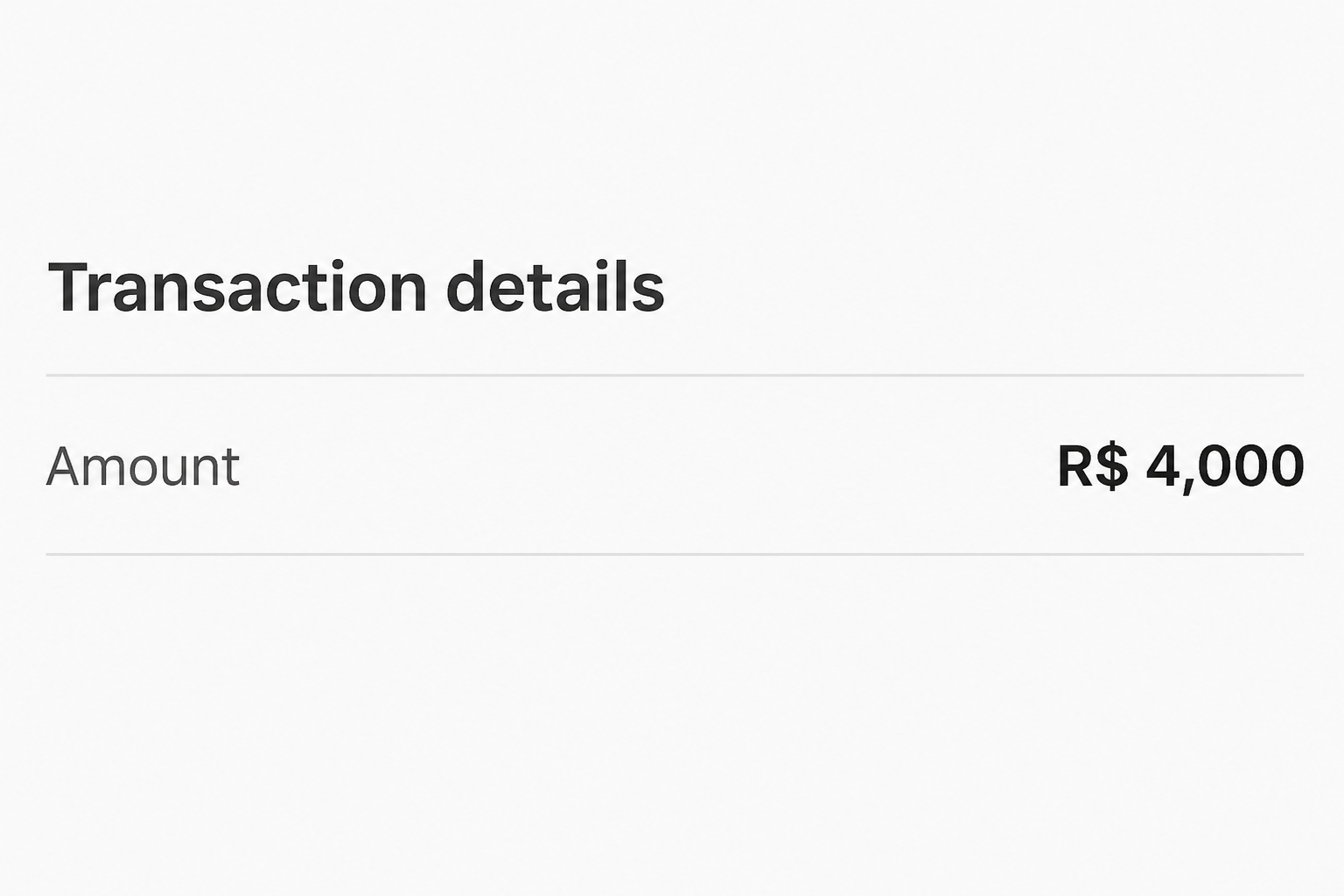
A visitor told The Guardian she agreed to pay R$40 for two pieces of grilled cheese in Rio de Janeiro. Her debit card was charged R$4,000.
She said she saw the correct number first but didn’t see the final amount at the point of payment. The vendor didn’t give her a receipt, she said.
The newspaper changed the visitor’s name. The amounts come from her account of the purchase and are in Brazilian reais.
This is often called a card-machine scam, or golpe da maquininha in Portuguese. The issue is not simply that a snack was expensive. The amount charged wasn’t the amount agreed.
A separate case confirmed by Brazilian prosecutors
Brazil’s federal prosecutors reported convictions involving an attempted card-machine overcharge on Ipanema beach. A couple had agreed to pay R$100, but the attempted charge was R$10,000.
That case was an attempted charge, not evidence that the couple lost R$10,000. It was also separate from the debit card transaction described by The Guardian.
Ordinary merchants use card terminals all over Rio. The risk comes from approving a payment when you cannot see or confirm the amount and currency, not from the location alone.
What you can check at the moment of payment
The price you heard, the amount on the screen, and the amount your bank records should agree. Give yourself time to check each one.
- Confirm the total and currency before you get your card or payment app ready.
- Read the number on the terminal immediately before you tap, insert, or approve.
- Ask for a receipt and check it against the agreed price.
- Look at your card alert if you receive one.
- Stop the sale if the final screen isn’t visible or the amount doesn’t match.
A delayed notification doesn’t confirm whether the payment succeeded. If anything looks off, use the official banking app when you can do so safely.
How the Card-Machine Scam Works
Step 1: You agree to a price that seems ordinary
A seller tells you the price of the item, or you see it on a menu. The exchange feels like any other small purchase on a trip.
If the currency or decimal format feels unfamiliar, confirm the total first. You can ask the vendor to write the amount or point to it on a price list.
When several items, people, or fees are involved, ask for one final figure. The cost per item isn’t enough to tell you what should appear on the terminal.
If the seller hasn’t given you a clear total, keep your card or phone away from the reader until you’ve agreed on one.
Step 2: The displayed amount stops matching the agreement
The Guardian case involved a person who saw the correct amount before payment but later found a much larger charge. That first display wasn’t the approval she needed to see.
Keep your attention on the final screen. If it turns away or you lose sight of it, wait until the amount is visible again.
You don’t need to hold the seller’s equipment or put yourself in a confrontation. You can simply decline to pay until you know what you’re approving.
Numbers can be hard to read outdoors, especially with glare or an unfamiliar format. Take a moment to move into shade or ask for a clearer display if it’s safe.
Step 3: The payment goes through during a brief exchange
Small purchases happen quickly, particularly when people are waiting behind you. Once you’ve seen the original price, it is natural to assume the next step just confirms it.
Don’t assume your card or phone can tell whether the terminal amount matches your conversation. It only knows about the payment being presented.
Use the same habit whether you tap a card, insert it, or pay with a mobile wallet. The payment method doesn’t replace looking at the final amount.
If the seller says the first payment failed, check your own transaction record before agreeing to a second attempt. Ask for any cancellation or decline receipt if available.
Step 4: A missing receipt makes the overcharge harder to show
A bank alert can tell you what was charged. It usually doesn’t say what the vendor originally offered, which can matter when you dispute the amount.
In the food purchase case, the visitor told The Guardian she had no receipt showing the price she agreed to pay. That complicated her attempt to dispute it.
A photo of a price list, an itemized receipt, or a contemporaneous message to a companion can add context. None guarantees that a payment dispute will succeed.
The visitor’s provider ultimately refunded her as a goodwill gesture after the newspaper contacted it. That outcome does not establish what an issuer must do in another case.
How to Pay Without Losing Track of the Amount
Read the local currency before converting it
The symbol R$ denotes Brazilian reais. Read the number in that currency before comparing it with an approximate amount in your own currency.
You may see a comma used for decimals and a period used for grouping thousands. If you cannot tell what the numbers mean, ask the seller to clarify them.
If a terminal offers to charge in your home currency, read the conversion and any fees. Check whether the original local price still matches the amount you agreed to.
On a screen using local punctuation, R$ 40,00 means forty reais. An amount written R$ 4.000,00 means four thousand reais, even if your bank displays the separators differently.
Use the local amount when you ask a vendor to correct the total. A rough conversion on your phone is useful for budgeting, not for settling what the seller typed.
For a group purchase, agree on whether you are paying one bill or separate ones. A series of rushed charges can make it hard to spot a discrepancy.
Make receipts and alerts part of the purchase
Ask for a receipt before leaving if one is available. Check the payment amount right away and keep the receipt where you can find it later.
Turn on card alerts before the trip if your bank offers them. Make sure you also know how to reach the issuer without relying on a link in a notification.
A payment alert might arrive late or not show up when you’re offline. Treat that as a reason to check later, rather than as proof nothing happened.
A small amount of local cash can be an alternative for a small purchase if it’s safe to carry. Don’t create another risk by displaying a large amount.
If the merchant offers a receipt after a failed attempt, check what it actually says. A record of a decline doesn’t settle whether a different attempt went through.
When two receipts show similar amounts, compare them with the times in your banking app. That can help you tell a duplicate from a legitimate second purchase.
Agree on a simple plan with a travel companion
If you are traveling with someone, decide who will pay and who will keep the receipt. You only need one person to approve the total.
When the amount isn’t clear, there’s no need to explain your suspicions to the seller. Say you can’t confirm the price, step away, and choose another vendor.
Verify any warning about your card directly with your issuer. A call or message offering to help after an overcharge isn’t proof someone is handling your dispute.
Compare the merchant’s reply with your own records
If you know the business and feel safe contacting it, ask for a written copy of the order and receipt. Don’t send the numbers from your card or security codes.
If the merchant offers a correction, ask for the refund reference and keep it with the original charge. Check your banking app to see whether the correction actually posts.
Keep personal details out of public reviews or travel groups. A bank or investigator may ask for the full reference through a private channel, but strangers don’t need it.
Note whether anyone in your party witnessed the price conversation. They may be able to record what they heard without guessing what happened inside the terminal.
If the merchant’s statement name differs from the name on the receipt, tell the issuer about both. The names may help it find the right payment record.
You can still ask about a dispute if you’ve already left Brazil. Use the date, the local amount, and the issuer’s transaction reference to identify which purchase you mean.
What to Do If You Have Fallen Victim to This Scam
Leave the immediate area if you feel unsafe
Don’t demand to examine the card reader or take a photograph if that could escalate the situation. Go somewhere safe and check the transaction there.
For a threat or robbery, contact local emergency services or police. A disputed card amount does not require you to confront someone on the beach.
Tell the card issuer exactly what you approved
Call using the official app or number on the card. State the amount agreed in Brazilian reais, the amount charged, and why you dispute it.
Say if you intended to pay the merchant but did not agree to that total. Ask what to do about a pending charge without assuming the issuer can stop it.
Save records while the details are fresh
Keep the date, approximate location, items, merchant name shown, transaction reference, and card alert. Save any receipt, price board photo, or contemporaneous message you already have.
Write down what you remember while clearly marking estimates. Keep original records rather than editing screenshots to show only the amount.
Ask which dispute route fits the facts
Your issuer can explain its procedure for an incorrect amount or a charge you did not authorize. Request the evidence requirements, any deadlines, and a case number.
UK readers can review the Financial Ombudsman Service guidance on disputed transactions. If your issuer declines the claim, ask for its decision in writing.
Monitor for other activity and report locally if appropriate
Check whether there are further charges from the same or unfamiliar merchants. Ask the issuer if a lock or replacement is appropriate for what happened.
If you make a police report, keep its reference. Consult official Brazil travel safety advice for broader travel risks and emergency information.
Follow up through the channel you opened
If anyone asks for money, a PIN, or a one-time banking code to fix the transaction, end the conversation. Contact the issuer through your own records.
Keep notes of the dates and outcomes of each call. Don’t assume a callback is legitimate because the caller knows an amount or place.
Frequently Asked Questions
Does this happen only on Rio’s beaches?
The reported cases here involved beach vendors in Rio. But a mismatch between the agreed amount and the one presented for payment isn’t unique to a tourist destination.
Check the final screen anywhere you pay in person. It matters particularly when you can’t read the currency or amount clearly.
Can a legitimate vendor make a mistake?
Yes, a genuinely incorrect amount can result from a mistake. Ask to see the order and receipt if you can do so safely.
For your bank, focus on what was agreed, what the terminal charged, and any evidence. You don’t have to determine a stranger’s intent before asking about a dispute.
Can I reverse a pending transaction myself?
A pending entry is not a promise that a charge will disappear. Your issuer can tell you whether it can intervene immediately or needs the transaction to post.
Record the charge now and ask what to do next. Follow any instructions the bank gives you about checking the final posted amount.
Is a mobile wallet automatically safer for the purchase amount?
A wallet can limit what payment credentials a merchant receives. It cannot tell whether the price you agreed to verbally matches the amount at the terminal.
Read the terminal and any payment details shown on your device. If you can’t verify the figure, don’t tap or otherwise approve the charge.
What if the merchant won’t give me a receipt?
If you haven’t paid yet, you can choose another seller. If you’ve paid, save the transaction record and any independent evidence of the price you already have.
Tell the issuer you were not given a receipt. A lack of paperwork may affect the evidence available, but the bank can explain its process.
Should I describe the card as stolen?
Don’t say the card was stolen unless it was. If you still have it and intended a smaller purchase, explain that distinction to the issuer.
If you also see charges you never attempted, mention those separately. Keeping the incidents distinct gives the issuer better information to investigate.
The Bottom Line
Read the amount and currency immediately before approving a card payment. If the screen isn’t visible or the total changes, stop and check before handing over the money.
If you discover an overcharge afterward, get somewhere safe, save what you can, and call your bank. Explain the difference between what you agreed and what was debited.

Join the discussion
0 commentsShare your experience or ask a question about this article.
Community experiences
Did this happen to you?
Your experience could help someone recognize the same scam. Submit a private report for our team to review.
I experienced this tooReports are reviewed before publication. Sharing publicly is always your choice.
Discussion
Start the conversation
Have a question or something useful to share? Add the first comment.