


You keep getting catalogs from companies you’ve never bought from. A guide tells you to pay a small fee to stop them, but that fee changes depending on the page.
DMAchoice is a real mail preference service, not a switch for your entire mailbox. Check both the current price and the kind of mail you actually want to stop.
Overview
The application shows $8 online and $9 by mail
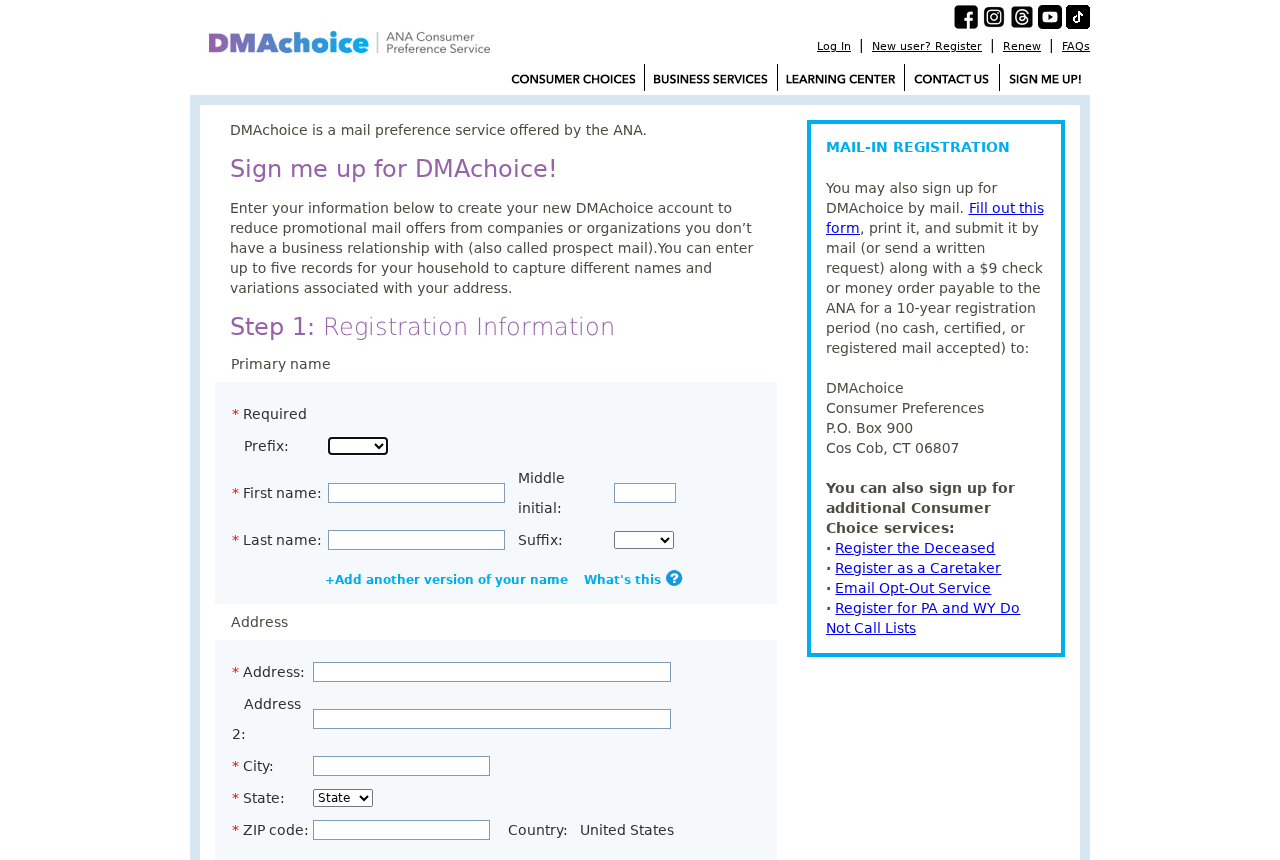
The DMAchoice registration page lists an $8 online administrative fee or $9 by mail for ten years. Its own consumer FAQ repeats those prices.
The FTC’s junk mail guide still quotes $6 online and $7 by mail. The current service form is the place to check what you would pay.
That difference is visible before anyone enters payment details. It doesn’t mean a buyer tried to register and was charged more than the checkout displayed.
What you get is a preference for participating marketers
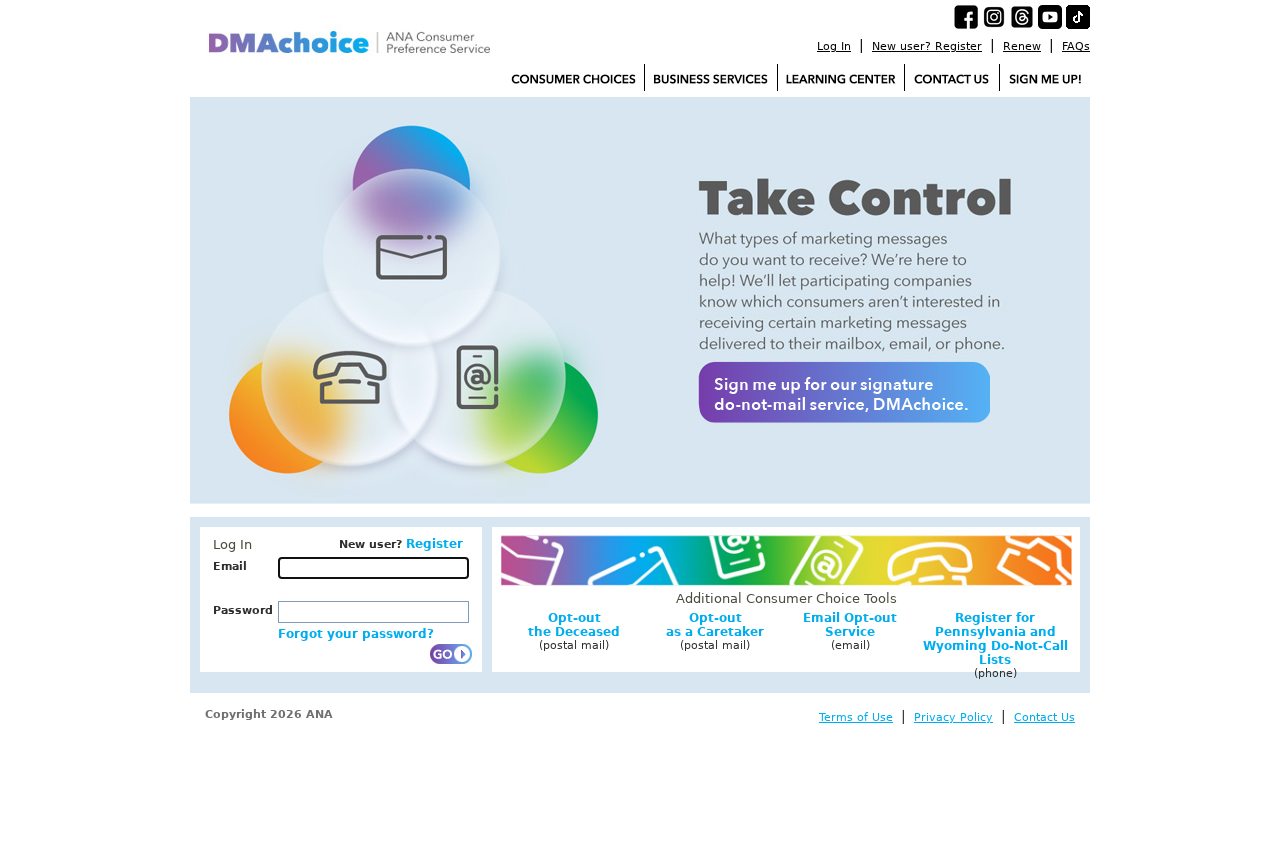
The Association of National Advertisers operates DMAchoice. Its homepage says the service informs participating companies of consumers’ preferences about certain marketing messages.
The DMAchoice FAQ distinguishes mail from businesses trying to win you as a customer from mail sent because you’ve already bought, subscribed, or donated.
It says existing customer and donor mail needs to be handled with the sender. Even if the envelopes look identical, the company can be using a different list.
You don’t need to pay if the problem is somewhere else
Look at the senders feeding most of the pile. If they’re companies you already deal with, start with their preferences rather than paying for general prospect suppression.
If a piece is about a debt, benefit, account change or payment, verify it independently. A mail preference won’t turn an important letter into advertising or settle an account.
- Compare the live registration fee with any quote you read elsewhere.
- Sort would-be marketers from businesses that already know you as a customer.
- Keep account notices and prescreened credit offers in separate piles.
- Use the verified sender to fix a specific list instead of sharing extra information.
What You Are Paying for With DMAchoice
DMAchoice isn’t the postal service
The ANA runs a preference service for companies and organizations that participate. The post office does not sort all of your mail into wanted and unwanted pieces using this registration.
The service’s registration disclosure says it shares the information you enter with client organizations for matching and suppression. That’s different from asking a company to delete every record about you.
Decide whether you’re comfortable providing that information for the goal you have. If only one recurring mailer bothers you, a direct request might address it with less effort.
The service website presents separate options for email and certain other situations. Signing up for the postal marketing choice isn’t an instruction to stop every type of contact.
A preference about marketing doesn’t remove your address from an account you actually use. That distinction matters if you still want statements, order information or service notices.
Read the registration route before entering anything
Both published fees cover the same ten-year period. Online and mail-in are two ways to register, not two separate fees you have to pay for the same choice.
The online form lists card and PayPal payment. The registration sidebar describes mailing a check or money order to the ANA and gives the current mail-in instructions.
If an old article gives a smaller amount, check the amount on the current form. Don’t mail an old payment because it appeared in a trustworthy guide years ago.
Don’t send cash, gift cards or payment to an individual offering to file for you. Follow the actual service instructions if you decide registration is worthwhile.
If you already registered, look for your confirmation before starting again. The site provides a separate route for renewing an existing registration, so check what you previously chose.
A registration doesn’t resolve mail for every possible name
The official form allows variants of a name and additional addresses. Use the service’s instructions for the names and addresses you can legitimately manage.
If a catalog uses a nickname or former address, look at how the sender recorded it. A spelling mismatch can be more relevant than whether you paid online.
The form distinguishes variations of one name from handling several people. Don’t assume you can speak for another person because they live at the same address.
If someone has died or you have a caretaker role, use the appropriate named service and verify that you are authorized. Those are not ordinary household name variations.
If the mailing isn’t addressed to you, don’t use a personal preference registration to impersonate the recipient. Ask the postal service for guidance if you’re receiving another person’s mail.
Which Mail You Should Handle Directly
Companies you buy from, subscribe to or support
A store you bought from and a charity you donated to can use their existing records to contact you. The ANA distinguishes this from prospect mail.
Tell the verified organization what you want to change. You can ask to stop printed promotions without asking the same company to stop order confirmations or legitimate account notices.
If paper advertising has a mailing label or customer reference, keep that detail privately. It can help the sender find a catalog subscription without looking up unrelated information.
Request confirmation that your mailing preference was changed and give the mailer time to act. Already prepared mail doesn’t immediately disappear when a company updates a list.
If you subscribed to a paid publication, ask what the request does to the actual subscription. Stopping a catalog is not necessarily canceling a paid service or receiving a refund.
Ask the sender whether the change applies to every catalog brand it operates or to the publication you named. Some companies send different printed materials under different names.
Make your request about the postal address and company you recognize. You don’t need to enroll in a whole new promotion simply to ask to stop the old one.
If you use a paperless billing option, check that turning it on doesn’t alter how you receive notices you rely on. That setting is separate from unsolicited advertising.
Unaddressed flyers and imprecise addressees
A piece addressed to every household on a route isn’t automatically matched by each reader’s name. Don’t expect a name-based preference to stop mail that doesn’t use that name.
If the top of the pile consists mostly of unaddressed flyers, check whether there is a verified local sender to contact. That may be a better use of time.
Record whether an item names you, another person, or simply an occupant. Those three examples give you different reasons to contact the sender or ask about delivery.
A letter with a company name but no verifiable return route can be more than junk mail. Independently confirm unfamiliar payment demands before calling a number printed on the letter.
Credit offers use a separate decision
The FTC explains that credit and insurance offers based on prescreening have their own opt-out path. DMAchoice isn’t a replacement for that industry preference.
Check a relevant notice for words about prescreening or credit report criteria. A recent offer from your own bank isn’t automatically the same as an offer from a bureau list.
If credit activity looks genuinely unfamiliar, investigate the credit report or account directly. Reducing marketing mail doesn’t tell you whether somebody applied for credit in your name.
What to Do Before You Register or Pay
- Sort a handful of recent mail by sender and relationship. Pick the category that repeats most, rather than changing preferences based on one dramatic-looking letter.
- For prospect mail from companies you haven’t dealt with, open DMAchoice independently. Compare the listed price, term, requested information and stated scope before submitting anything.
- For named customer or donor mail, contact the organization through a known address or phone number. Say which promotional mail you want stopped and which notices you need.
- When your mail looks like a prescreened credit or insurance offer, check the FTC’s dedicated instructions. Don’t pay a third party to pass along your personal information.
- Record where you registered or whom you contacted. Keep a confirmation and compare later mail against the category you addressed rather than assuming the change did nothing.
Check results without paying for the same request again
Review the pieces that still arrive after your request. If they’re from existing customers’ lists, the original registration can be working even though the mailbox isn’t empty.
If an item comes from a possible new marketer, check the exact name and address it uses. Ask about the specific letter, not every list the business may keep.
A changed name or an address that moved between accounts can complicate a match. Check what you registered before asking that service to send another request.
If a provider asks you to renew, verify when the current term ends in the same account. A new mailing isn’t proof your ten-year preference expired early.
A separate processing charge should match the selected service and receipt. If a charge looks unfamiliar, check your records and reach the payment provider through an independent channel.
Compare the amount of mail with the change you requested
Before registering, note which senders appear in an ordinary week. After the choice has had time to take effect, compare similar periods without expecting identical mail volume.
Keep track of the categories that matter. Fewer catalogs from new retailers can be a useful improvement even if charities you support still contact you.
If the same prospect keeps mailing, check whether the organization participates before assuming the preference was ignored. The service doesn’t claim to control every marketer.
For a company handling your request directly, keep the date and the kind of mail you asked it to stop. Quote the prior request when you follow up.
If most of your samples are statements, invoices or membership notices, more marketing opt-outs won’t solve that pile. Review those relationships and delivery choices individually.
If you want to keep a particular catalog, check with its sender before relying on a general preference. Ask how to keep that subscription active.
Before you enter information for an old address, consider whether the mail is reaching you there or simply appears on a label. Only change preferences you can legitimately manage.
Avoid mistaking a preference service for fraud protection
Use the decision to reduce mail, not as a reason to rely on the next letter you get. A solicitation that arrives afterward isn’t made safer by the registration.
If a letter asks for a processing fee or threatens immediate charges, don’t follow the instructions because it includes your correct address. Verify the organization and the claim separately.
Keep ordinary mail records separate from documents needed for a dispute. Don’t upload a letter with your full address, account number, or payment data to a public forum.
Frequently Asked Questions
How much does DMAchoice cost?
The service’s published form shows $8 online or $9 by mail for ten years. The FTC’s junk mail article displays older amounts; use the current registration page before paying.
The difference is a reason to confirm the price, not evidence of a hidden charge. Both the online route and mail-in alternative describe the same duration.
Does DMAchoice stop mail from a store I already use?
The ANA says existing customer and donor mail is separate from prospect mail. Contact the actual company to change what it sends you directly.
If you still need receipts or notices, say which kind of promotion you want stopped. Don’t close an account merely to remove a catalog.
Is DMAchoice run by the post office?
The Association of National Advertisers operates DMAchoice. The service communicates preferences to participating businesses and organizations, not to every possible sender of postal mail.
If the problem is delivery to the wrong person or address, use official postal guidance. That isn’t a reason to pay for a marketing preference.
Do I have to register for every spelling of my name?
The form provides a way to enter versions of your name and additional addresses. Check the details on a relevant label and follow the service’s limits.
The form treats multiple people differently from variants of one person’s name. Don’t put another recipient’s information into your request without authorization.
Does it also remove me from prescreened credit lists?
The FTC treats prescreened credit and insurance offers separately. Use the relevant opt-out process described for those offers rather than relying on this registration.
If a mailing comes from an existing relationship or another list, it can continue even after the credit offer preference changes.
Does a few catalogs arriving mean my choice failed?
To tell whether the preference helped, check which list the sender used. Customer, donor and generic delivery mail don’t all use the prospect list covered by the preference.
Check several senders and keep the date of your request. If one organization still sends to you, ask it about that specific category.
The Bottom Line
Pay for DMAchoice only if participating prospect mail is a substantial part of the problem. Use the live registration fee, not an older price in another article.
If the mail comes from companies you already deal with, go directly to those senders first. Handle account notices and prescreened credit offers through their own channels.

Join the discussion
0 commentsShare your experience or ask a question about this article.
Community experiences
Did this happen to you?
Your experience could help someone recognize the same scam. Submit a private report for our team to review.
I experienced this tooReports are reviewed before publication. Sharing publicly is always your choice.
Discussion
Start the conversation
Have a question or something useful to share? Add the first comment.