


A dripping gutter sounds like a small weekend job. Then someone comes down from the roof and tells you it can’t wait until tomorrow.
What happens in the next few minutes matters more than the explanation you just heard. You can stop and check the work without climbing a ladder yourself.
Overview
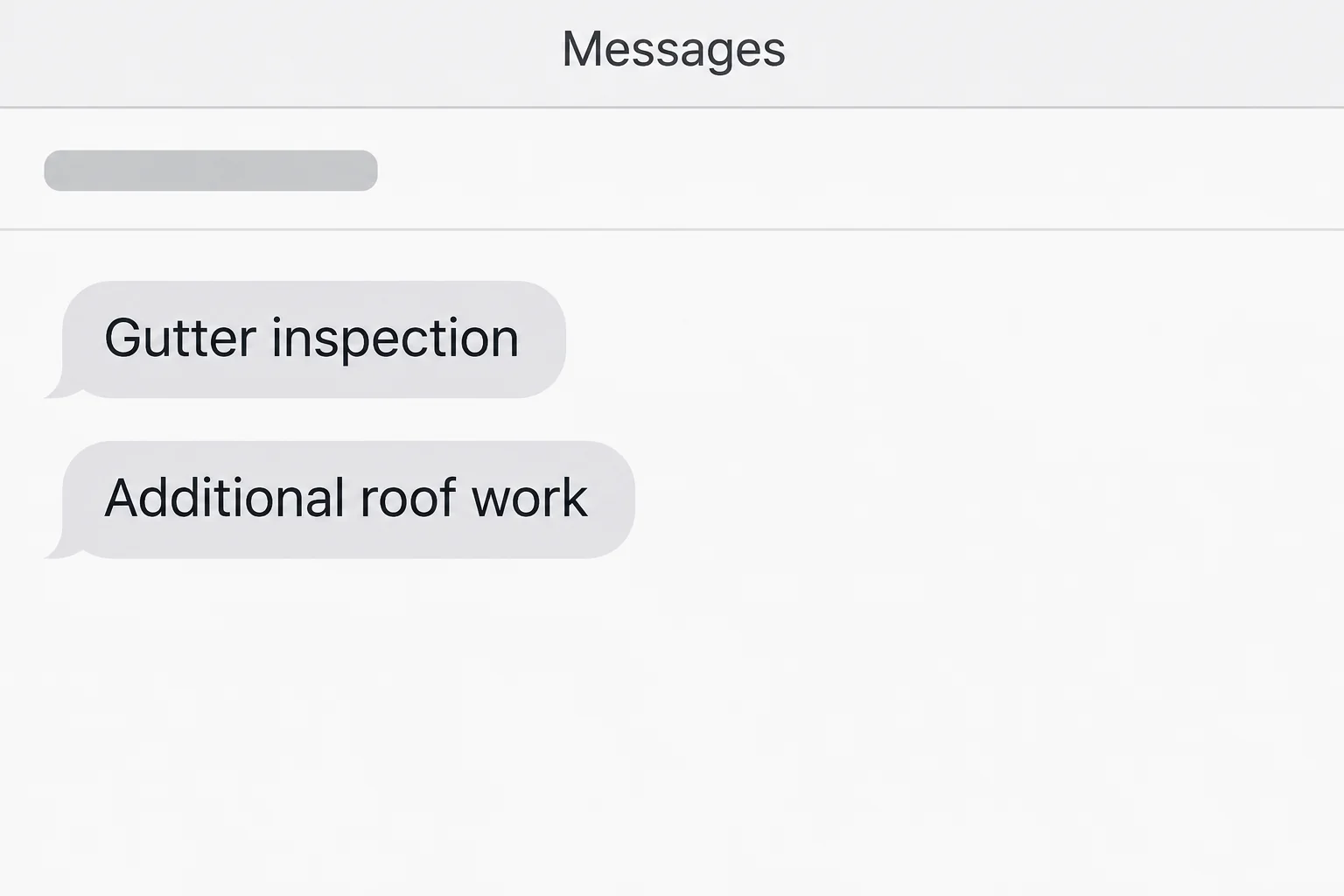
A £250 gutter quote ended with a £3,500 demand
A homeowner who wanted help with a dripping sound in her gutters posted a request on an online platform. She didn’t set out to have major roof work done.
Citizens Advice documented her case, which The Guardian also reported. The caller initially offered to do the work for £250.
After arriving, the caller and another man claimed they’d found additional problems. The amount they wanted went well beyond the price first discussed.
The men showed her a bucket of material they said came from under the tiles. That didn’t establish either where it came from or what her roof needed.
She said the men demanded payment immediately and wouldn’t leave, so she transferred £3,500. The following day she saw no sign that work had been done.
How a roof repair becomes difficult to verify
Most of us can’t easily see a roofline or judge a fault from ground level. It’s a bad place to make an expensive decision while you feel pressured.
A contractor can discover genuine complications. The issue is whether someone can show where the problem is, explain the changed scope, and give you time to decide.
Doorstep offers are common in Citizens Advice reports, but the gutter case began with the homeowner asking for help online. Initiating the contact yourself doesn’t make every reply reliable.
You can take a genuine risk seriously without authorizing all the repairs on the spot. Ask what needs making safe now and what can wait for an independent inspection.
Which warning signs matter most
Suspected roofing scams were the most reported type of scam Citizens Advice heard about in its figures for England and Wales. Those are reported suspicions, not a conviction count.
A genuine price change isn’t inherently suspicious. A cluster of these behaviors makes it harder to make an informed decision:
- An inexpensive inspection suddenly becomes urgent work your original quote doesn’t cover.
- A claimed defect can’t be tied to a photo or a specific part of the roof.
- The trader won’t put a revised scope and total price in writing.
- Payment is demanded before you can inspect the result or get another opinion.
- Someone stays at your property to pressure you into sending the money.
If a visit feels unsafe, don’t debate the diagnosis to prove anyone wrong. Get to a safe place and seek help.
How the Roofing Scam Works
Step 1: A small problem gets the trader through the door
The first conversation can be about one loose tile, a dripping gutter, or a quick inspection. It need not sound like a large or risky purchase.
Some people are approached at home by someone who says they’re already working nearby. Others, like the homeowner in the reported case, receive a reply to their own ad.
Verify the business before agreeing to a visit where possible. Find contact details independently and ask who will arrive and what the visit includes.
An agreement to look at a gutter isn’t an agreement to remove material or fix the roof. State what you want inspected and ask them to check before doing more.
Step 2: The job changes after the inspection
The price may rise when the trader says the first problem revealed another. In the Citizens Advice case, the original £250 discussion was nothing like the eventual demand.
Ask for a breakdown that separates the original job, the new findings, and the cost of each extra item. A single new total doesn’t tell you what’s changed.
A picture can be useful if it identifies a particular place on your building. A tight crop or a bucket of fragments doesn’t tell you where a problem is.
Don’t go onto a roof to test what someone said. Use another qualified person if a safe, independent inspection is needed.
Step 3: Waiting is presented as a mistake
Once the scope changes, the trader may say rain is coming or leaving things alone could make the damage worse. That can be a real concern.
Ask which part is urgent and why. If someone cannot explain the risk separately from their demand for a decision, you don’t have enough information to approve the larger job.
There is a difference between a temporary safety measure and a full repair. If you can, ask an independent roofer or your insurer what can safely wait.
No explanation obliges you to make a decision while unfamiliar people stand over you. If you feel threatened, prioritize getting away safely.
Step 4: The price becomes a demand for immediate payment
The men in the reported case insisted on payment before leaving. The homeowner described paying because she was alone and afraid of what might happen.
A bank transfer can feel routine, especially if someone presents an invoice or uses business language. It still moves money before you’ve had a chance to verify the job.
Check the payee against the company that issued the quote. If those names don’t line up, don’t take a verbal explanation as the only record.
If you’ve already paid under pressure, tell your bank about that pressure as well as the payment. The circumstances are important, even when you pressed the final button yourself.
Step 5: The claimed work is hard to reconcile with the evidence
The next day, with time to look, the homeowner reported seeing no trace of completed work. She said she couldn’t reach the people who had demanded payment.
If you suspect the work wasn’t done, note what you can see from a safe place. Then obtain an independent written account of the condition and what’s actually been changed.
Don’t allow more visits from somebody you no longer trust just to collect evidence. Keep the record of the agreement and let the appropriate authorities or advisers guide the response.
How to Check a Roofer Before Work Starts
Find a business you can identify independently
Start with a firm you find yourself or a referral whose previous work you can verify. Ask for the business name and contact details, including where to send written questions.
TrustMark’s homeowner site is one place to look for registered tradespeople in the UK. Check the listing directly instead of relying on a badge on a van or invoice.
Compare quotes for the same work. A figure covering a patch isn’t comparable with a quote covering replacement, access equipment, removal of debris, or an extended warranty.
Make sure you know who will carry out the work if the business uses subcontractors. Ask who is responsible for supervision and who will handle a problem afterward.
If a contractor gives you past customers as references, ask about work similar to yours. A good report about a garden wall won’t answer questions about roof repairs.
Check who holds any insurance the contractor says they have and what it covers. Ask for time to confirm the details before you agree to the work.
Get the original price and any additions in writing
A useful quote lists the parts of the building affected, what work will be done, and what isn’t included. It also says how payments will be scheduled.
Ask what would happen if the contractor discovers a further defect. A clear agreement says who decides whether new work proceeds and how you’ll see the price before approving it.
If a small job suddenly expands, ask for the old and new figures separately. That makes it easier to see whether the new work is connected to your original request.
Plan to pay in a way that gives you a record. Know which business you’re paying and ask for receipts at each stage rather than waiting until the end.
For a larger job, tie payments to work you can identify rather than vague estimates of progress. Keep any revised agreement with the original quote so you can compare them.
Take the water leak seriously without accepting a suspect pitch
If water is entering the home, move belongings only where you can do so safely. Call a known building professional and avoid areas that could be unsafe.
Citizens Advice’s preparation guide explains how to check a trader and document home improvements. Your insurer may also tell you what evidence it needs to see.
Tell people in your household what you’ve approved. If a second worker says someone else gave permission, you can check with that person before anything proceeds.
What to Do If You Have Fallen Victim to This Scam
Put distance between yourself and anyone threatening you
If someone is still at the house, don’t try to photograph them or block them from leaving. Get somewhere safe and contact emergency services if you’re in immediate danger.
If the people have gone, write down what you remember while it’s fresh. Warn anyone else in the home how to respond if they come back.
Call the bank or payment service directly
Explain what you agreed to, what was demanded, and how you paid. Mention if the transfer happened while someone was refusing to leave or pressuring you.
Ask to record the incident and to explain any recovery or dispute options. Different methods and circumstances lead to different processes, so avoid relying on promises from strangers.
Save the original report and the revised demands
Keep the listing, messages, first quote, later invoice, recipient details, and payment confirmation. Record when the work started and when the price changed.
If you initially agreed verbally, write down what you remember rather than inventing missing details. Save receipts and which person made each demand.
Arrange a safe assessment with another contractor
Use a qualified contractor you find separately. Ask for a dated written account of what’s visible and whether immediate safety work is required.
Take any photographs from a safe position. If there’s a dangerous condition, don’t postpone essential safety measures to preserve a picture.
Report what happened through local channels
In England and Wales, Report Fraud’s doorstep guidance explains how to report suspected doorstep fraud. Use your local arrangements if you’re elsewhere.
Citizens Advice explains ways to raise a problem with building work. A consumer adviser can help distinguish a quality dispute from suspected deception.
Don’t pay a second person just because they know the story
Be wary of follow-up callers who claim they can recover your money or demand funds to finish the job. Check with the bank, insurer, or adviser you contacted.
If you need to commission urgent repairs, obtain a new written agreement. Don’t treat a stranger’s knowledge of your address or loss as a referral.
Frequently Asked Questions
Is every unsolicited roofing offer a scam?
No single feature proves that a roofer is dishonest. You can still decline an unexpected offer and ask a company you found yourself to assess the problem.
Be particularly cautious when the visitor wants to start immediately. A firm you can verify should be able to explain what it proposes.
Can a scam start after I post my own repair request?
Yes, the homeowner described by Citizens Advice found the trader after posting online. A platform message isn’t the same as a personal reference or a verified agreement.
Keep early communication on the platform if you can. It gives you a record of what was first offered, even if subsequent demands come in person.
How can I tell if a newly discovered defect is real?
Ask for a written explanation that identifies its location and why it needs work. Then get another qualified opinion if the job can safely wait.
A quick picture is more useful when it shows enough context to identify your building. Don’t climb up to check a stranger’s claim yourself.
What if the contractor did some of the work?
Write down what had been promised and what an independent assessment finds. Work may be incomplete, poor quality, unnecessary, or different from what you authorized.
Those differences matter when you explain the complaint. Don’t claim that nothing was done if the evidence shows some progress.
Can my bank reverse the transfer?
There isn’t one answer for every transfer or every claim. Tell the bank exactly how you paid, what was agreed, and why you dispute the payment.
Keep the case number and ask about applicable time limits. If you’re unhappy with the response, use the bank’s formal complaints process.
What if I need my roof made safe immediately?
Contact a contractor you find independently and tell them what you can safely observe. Ask what short-term work they recommend before authorizing a larger job.
Save the new costs and photos separately from the original dispute. Necessary work and the disputed demand are not the same expense.
The Bottom Line
Don’t approve a bigger roof job just because the person who found it insists it can’t wait. Get the changed scope in writing and seek an independent opinion.
If you’ve already paid, get somewhere safe, contact the payment provider, and keep the original quotes and messages. The evidence matters more than arguing at your door.

Join the discussion
0 commentsShare your experience or ask a question about this article.
Community experiences
Did this happen to you?
Your experience could help someone recognize the same scam. Submit a private report for our team to review.
I experienced this tooReports are reviewed before publication. Sharing publicly is always your choice.
Discussion
Start the conversation
Have a question or something useful to share? Add the first comment.