

When it comes to managing tasks and processes on a Windows operating system, the Task Scheduler plays a crucial role. One of the essential components of the Task Scheduler is the schtasks.exe executable file. In this article, we will explore what schtasks.exe is, its purpose, and whether you should remove it from your system.
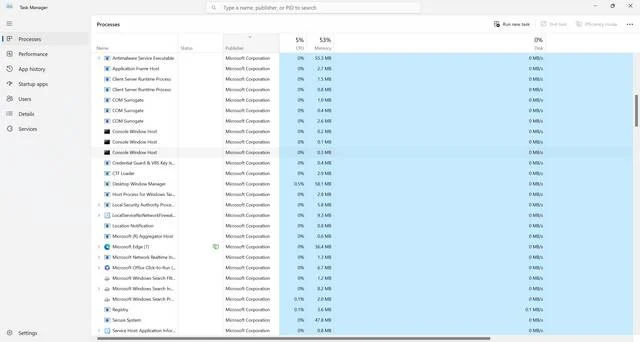
What is Schtasks.exe?
Schtasks.exe is a legitimate Windows system file that is responsible for managing scheduled tasks on your computer. It is a command-line tool that allows users to create, modify, delete, and query scheduled tasks. These tasks can include running programs, scripts, or performing system maintenance activities at specific times or intervals.
When you open the Task Scheduler in Windows, you are essentially interacting with the schtasks.exe process. It provides a graphical user interface (GUI) for managing scheduled tasks, making it easier for users to schedule and automate various actions on their computers.
The Importance of Schtasks.exe
Schtasks.exe is an integral part of the Windows operating system and serves several important functions:
- Automation: Schtasks.exe allows users to automate tasks and processes, reducing the need for manual intervention. This can be particularly useful for running system maintenance tasks, backups, or updating software.
- Efficiency: By scheduling tasks to run at specific times or intervals, schtasks.exe helps optimize system resources. It ensures that resource-intensive tasks are executed during periods of low activity, minimizing the impact on system performance.
- Flexibility: With schtasks.exe, users have the flexibility to schedule tasks based on specific events, such as system startup, user logon, or when a particular event occurs. This level of customization allows for greater control over system processes.
Is Schtasks.exe Safe?
As a core Windows system file, schtasks.exe is generally safe and essential for the proper functioning of the operating system. However, like any other system file, it can be targeted by malware or malicious actors to carry out harmful activities.
If you suspect that schtasks.exe on your system is compromised or behaving suspiciously, it is crucial to investigate further. Here are some signs that may indicate a potential issue:
- Unusual CPU or memory usage by schtasks.exe
- Frequent system crashes or freezes
- Unexpected pop-ups or error messages related to schtasks.exe
- Unwanted or unauthorized tasks appearing in the Task Scheduler
If you notice any of these signs, it is recommended to run a thorough antivirus scan using a reliable security software like Malwarebytes Free. This will help identify and remove any potential malware or threats associated with schtasks.exe.
Should I Remove Schtasks.exe?
In most cases, you should not remove schtasks.exe from your system. It is an essential component of the Windows operating system and removing it can cause various issues, including the inability to schedule or manage tasks.
However, if you have identified schtasks.exe as a potential security threat or if it is consuming excessive system resources, it is recommended to take the following steps:
- Scan for Malware: Run a thorough antivirus scan using a reputable security software like Malwarebytes Free to detect and remove any malware associated with schtasks.exe.
- Update Windows: Ensure that your Windows operating system is up to date with the latest security patches and updates. This helps protect against known vulnerabilities and ensures the stability of system files.
- Monitor System Performance: Keep an eye on the performance of your system and monitor the behavior of schtasks.exe. If you continue to experience issues or suspicious activity, consider seeking assistance from a professional or contacting Microsoft support.
It is important to note that removing or tampering with system files without proper knowledge can lead to system instability or even render your computer inoperable. Therefore, exercise caution and seek expert advice if you are unsure about the actions to take.
Conclusion
Schtasks.exe is a critical component of the Windows operating system, responsible for managing scheduled tasks. It provides automation, efficiency, and flexibility, allowing users to schedule and automate various actions on their computers. While schtasks.exe is generally safe, it can be targeted by malware or malicious actors. If you suspect any issues, it is recommended to run a thorough antivirus scan and take appropriate actions to ensure the security and stability of your system. Remember, removing or tampering with system files should only be done with caution and expert guidance.

Join the discussion
0 commentsShare your experience or ask a question about this article.
Discussion
Start the conversation
Have a question or something useful to share? Add the first comment.