

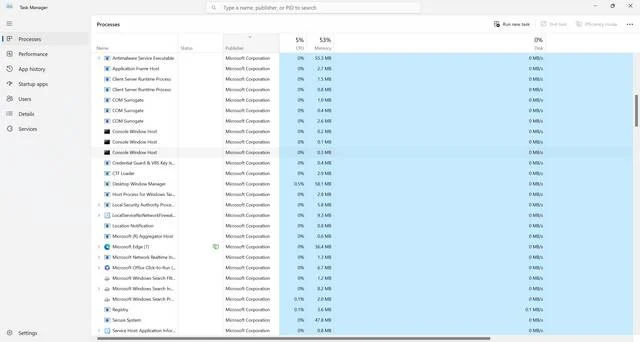
When you open the Task Manager on your Windows computer, you may notice a process called “Service Host: IP Helper” running in the background. This process, also known as svchost.exe, is an essential component of the Windows operating system. In this article, we will explore why the IP Helper process is running, its functions, and whether it is necessary for your system’s performance.
What is the IP Helper Process?
The IP Helper process, or svchost.exe, is a generic host process that runs multiple Windows services. It acts as a container for various services, allowing them to share system resources efficiently. The IP Helper process specifically assists with the configuration and monitoring of IP addresses and network interfaces.
IP Helper provides support for several network-related functions, including:
- IPv6 transition technologies
- IPv6 connectivity
- Teredo tunneling
- 6to4 tunneling
- ISATAP tunneling
- Network Layer Discovery
These functions are crucial for maintaining network connectivity and ensuring smooth communication between devices on both IPv4 and IPv6 networks.
Why is the IP Helper Process Running?
The IP Helper process runs automatically in the background when your computer starts up. It is a system service that is enabled by default in Windows. The process is responsible for managing and supporting various network-related tasks, ensuring that your computer can connect to networks and communicate effectively.
Here are some reasons why the IP Helper process may be running on your system:
- Your computer is connected to a network: The IP Helper process is essential for managing network connections and ensuring proper network configuration. It helps your computer communicate with other devices on the network and enables features like IPv6 connectivity.
- IPv6 support: As the world transitions from IPv4 to IPv6, the IP Helper process plays a crucial role in facilitating this transition. It provides support for IPv6 connectivity and helps manage the coexistence of both IPv4 and IPv6 networks.
- Network troubleshooting: The IP Helper process assists in network troubleshooting by providing information about network interfaces, IP addresses, and network protocols. It helps diagnose and resolve network-related issues.
It is important to note that the IP Helper process is a legitimate Windows component and is not a virus or malware. However, like any other system process, it is possible for malicious software to disguise itself as the IP Helper process. If you suspect any unusual behavior or high CPU usage associated with the IP Helper process, it is recommended to scan your system for viruses or malware using a reliable security software like Malwarebytes Free.
Can I Disable the IP Helper Process?
While the IP Helper process is essential for network functionality, it is generally not recommended to disable it unless you have a specific reason to do so. Disabling the IP Helper process can lead to network connectivity issues and may prevent certain network-related features from functioning correctly.
However, if you are experiencing high CPU or memory usage due to the IP Helper process, it may be worth investigating further. In some cases, a malfunctioning network adapter driver or misconfigured network settings can cause excessive resource usage by the IP Helper process. Updating your network adapter driver or resetting your network settings may help resolve the issue.
If you are unsure about making changes to your system, it is always advisable to seek assistance from a knowledgeable professional or consult official Microsoft documentation.
Conclusion
The IP Helper process, also known as svchost.exe, is an integral part of the Windows operating system. It provides essential support for network-related functions, including IPv6 connectivity, network troubleshooting, and IPv6 transition technologies. While it may consume system resources, disabling the IP Helper process is generally not recommended as it can lead to network connectivity issues.
If you notice any unusual behavior or high CPU usage associated with the IP Helper process, it is advisable to scan your system for viruses or malware using a reliable security software like Malwarebytes Free. Additionally, if you experience persistent issues, it is recommended to seek assistance from a professional or consult official Microsoft resources for further guidance.

Join the discussion
0 commentsShare your experience or ask a question about this article.
Discussion
Start the conversation
Have a question or something useful to share? Add the first comment.