

Service Host: Plug and Play Process: Why Is It Running In Task Manager?
When you open the Task Manager on your Windows computer, you may notice a process called “Service Host: Plug and Play” running in the background. This process is an essential part of the Windows operating system and plays a crucial role in ensuring the smooth functioning of your computer’s hardware and software. In this article, we will explore what the Service Host: Plug and Play process is, why it is running in Task Manager, and how it impacts your system.
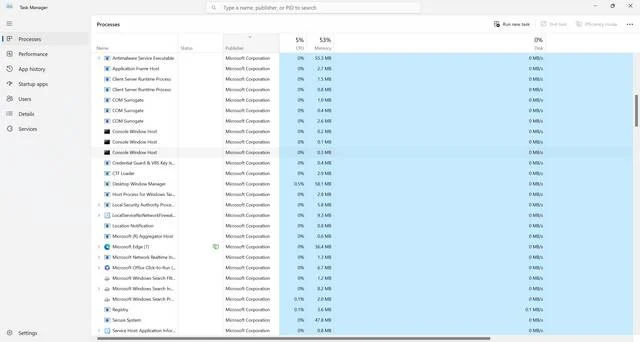
Understanding Service Host: Plug and Play
The Service Host: Plug and Play process, also known as “svchost.exe,” is a system process that hosts multiple Windows services related to hardware detection and device management. It acts as a container for various services, allowing them to run efficiently and share system resources. This process is responsible for detecting and configuring new hardware devices, managing device drivers, and handling plug and play events.
Service Host: Plug and Play is a critical component of the Windows operating system, ensuring that your computer can recognize and utilize new hardware devices seamlessly. Without this process, your computer may not be able to detect and install new devices properly, leading to compatibility issues and limited functionality.
Why Is Service Host: Plug and Play Running in Task Manager?
Seeing the Service Host: Plug and Play process running in Task Manager is entirely normal and expected. Since it hosts multiple services, each associated with hardware detection and device management, it needs to run continuously in the background to ensure the smooth operation of your computer’s hardware components.
When you connect a new device to your computer, such as a USB drive or a printer, the Service Host: Plug and Play process is responsible for detecting the device, installing the necessary drivers, and configuring it for use. It also handles any plug and play events, such as when you remove a device or connect a device that requires additional drivers.
By running as a separate process, Service Host: Plug and Play can efficiently manage these tasks without affecting the overall performance of your computer. It allows the individual services it hosts to run independently and utilize system resources as needed.
Impact on System Performance
While the Service Host: Plug and Play process is essential for the proper functioning of your computer, it may consume a certain amount of system resources. However, this resource usage is typically minimal and should not significantly impact your system’s performance under normal circumstances.
If you notice unusually high CPU or memory usage by the Service Host: Plug and Play process, it could indicate a problem or an underlying issue. In such cases, it is recommended to scan your computer for viruses or malware using a reliable security software like Malwarebytes Free. Viruses or malware can sometimes disguise themselves as legitimate processes, causing abnormal resource usage.
Additionally, outdated or incompatible device drivers can also lead to increased resource usage by the Service Host: Plug and Play process. It is crucial to keep your drivers up to date to ensure optimal performance and compatibility with new hardware devices.
Managing Service Host: Plug and Play
If you encounter any issues related to the Service Host: Plug and Play process, there are a few steps you can take to manage and troubleshoot the problem:
- Scan your computer for viruses or malware using Malwarebytes Free to ensure that the process is not being affected by malicious software.
- Update your device drivers to the latest versions. You can do this manually by visiting the manufacturer’s website or using driver update software.
- Restart the Plug and Play service. Open the Services application by pressing Windows + R, typing “services.msc,” and pressing Enter. Locate the “Plug and Play” service, right-click on it, and select “Restart.”
- If the issue persists, you can try disabling unnecessary services that are hosted by the Service Host: Plug and Play process. However, exercise caution when modifying services, as disabling essential services can cause system instability.
Summary
The Service Host: Plug and Play process is a vital component of the Windows operating system, responsible for hardware detection, device management, and plug and play events. It runs as a separate process in Task Manager to efficiently host multiple services and ensure the smooth functioning of your computer’s hardware components.
While the process may consume some system resources, it should not significantly impact your system’s performance under normal circumstances. If you notice unusually high resource usage, it is advisable to scan your computer for viruses or malware using Malwarebytes Free and keep your device drivers up to date.
By understanding the role of the Service Host: Plug and Play process and managing it effectively, you can ensure the optimal performance and compatibility of your Windows computer.

Join the discussion
0 commentsShare your experience or ask a question about this article.
Discussion
Start the conversation
Have a question or something useful to share? Add the first comment.