

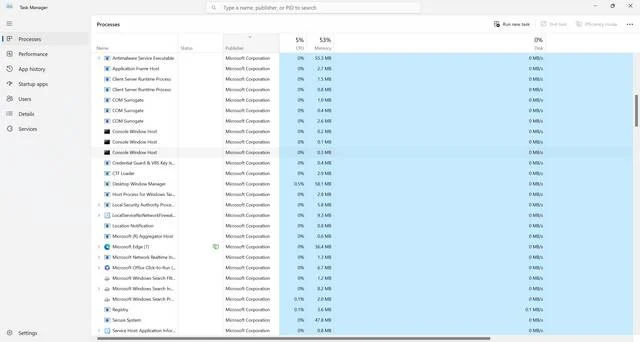
When you open the Task Manager on your Windows computer, you may notice a process called “Service Host: Remote Procedure Call (RPC)” running in the background. This process is an essential part of the Windows operating system and plays a crucial role in facilitating communication between different programs and services.
What is the Remote Procedure Call (RPC) Process?
The Remote Procedure Call (RPC) is a protocol that allows a program on one computer to execute code on a remote system. It enables different processes to communicate with each other over a network, even if they are running on different machines or operating systems.
In the context of the Windows operating system, the Service Host: Remote Procedure Call (RPC) process acts as a host for various services that rely on RPC for inter-process communication. These services include essential system components like the Windows Management Instrumentation (WMI), Distributed Transaction Coordinator (DTC), and Event Log service.
Why is the Service Host: Remote Procedure Call (RPC) Process Running?
The Service Host: Remote Procedure Call (RPC) process is always running in the background because it is responsible for handling communication between different services and processes on your computer. It ensures that essential system functions can interact with each other seamlessly.
Here are some reasons why the Service Host: Remote Procedure Call (RPC) process may be running:
- System Services: The RPC process hosts various system services that rely on inter-process communication. These services are necessary for the proper functioning of your computer.
- Network Communication: RPC enables communication between different computers on a network. If you are connected to a network, the RPC process will be active to facilitate this communication.
- Third-Party Applications: Some third-party applications and services also utilize RPC for communication purposes. If you have such applications installed, the RPC process may be running to support their functionality.
Is the Service Host: Remote Procedure Call (RPC) Process Safe?
The Service Host: Remote Procedure Call (RPC) process is a legitimate system process and is generally safe. However, like any other system process, it can be exploited by malware or malicious programs to gain unauthorized access to your computer.
If you notice any unusual behavior or suspect that your computer may be infected with malware, it is recommended to scan your system using reliable antivirus software. One such software is Malwarebytes Free, which can help detect and remove malware effectively.
How to Identify Malicious Processes Disguised as RPC?
While the Service Host: Remote Procedure Call (RPC) process itself is not malicious, it is essential to be cautious of any processes that attempt to disguise themselves as RPC. Here are some tips to identify potentially malicious processes:
- Check the File Location: The legitimate RPC process is located in the “C:WindowsSystem32” folder. If you find a process with a similar name in a different location, it may be a sign of malware.
- Verify the Digital Signature: Right-click on the process in the Task Manager and select “Properties.” Go to the “Digital Signatures” tab and verify if the signature is from a trusted source. Malicious processes often lack valid digital signatures.
- Monitor Resource Usage: If a process named RPC is consuming an unusually high amount of system resources or causing system instability, it may be a malicious process.
Conclusion
The Service Host: Remote Procedure Call (RPC) process is an integral part of the Windows operating system, responsible for facilitating communication between different services and processes. It ensures the smooth functioning of essential system components and enables network communication.
While the RPC process itself is safe, it is crucial to remain vigilant and identify any potentially malicious processes that attempt to disguise themselves as RPC. Regularly scanning your system with reliable antivirus software, such as Malwarebytes Free, can help detect and remove any malware that may be present.
By understanding the role of the Service Host: Remote Procedure Call (RPC) process and taking necessary precautions, you can ensure the security and stability of your Windows computer.

Join the discussion
0 commentsShare your experience or ask a question about this article.
Discussion
Start the conversation
Have a question or something useful to share? Add the first comment.