

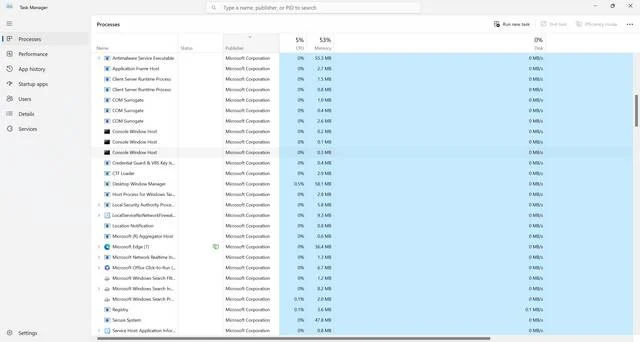
When you open the Task Manager on your Windows computer, you may notice a process called “Service Host: Windows Defender Antivirus Service” running in the background. This process is a crucial component of Windows Defender, the built-in antivirus software provided by Microsoft. In this article, we will explore why this process is running in Task Manager, its importance, and how it contributes to the overall security of your system.
What is Service Host: Windows Defender Antivirus Service?
Service Host: Windows Defender Antivirus Service is a background process that runs as part of Windows Defender, the default antivirus and antimalware solution provided by Microsoft. It is responsible for monitoring and protecting your system against various types of threats, including viruses, malware, spyware, and other malicious software.
Windows Defender Antivirus Service constantly scans your computer’s files, programs, and processes in real-time to detect and remove any potential threats. It uses a combination of signature-based scanning, behavior monitoring, and machine learning algorithms to identify and block malicious activities.
Why is it running in Task Manager?
When you see the “Service Host: Windows Defender Antivirus Service” process running in Task Manager, it indicates that Windows Defender is actively protecting your system. The process itself is a container that hosts multiple Windows services, including the Windows Defender Antivirus Service.
Windows Defender Antivirus Service runs as a separate process to ensure that it operates independently and does not interfere with other system processes. By running in its own process, it can efficiently utilize system resources and provide real-time protection without impacting the overall performance of your computer.
The Importance of Windows Defender Antivirus Service
Windows Defender Antivirus Service plays a crucial role in safeguarding your computer against various security threats. Here are some key reasons why it is important:
- Real-time Protection: The service continuously monitors your system for any suspicious activities and provides real-time protection against malware and other threats. It can quickly detect and block malicious files or processes before they can cause harm to your computer.
- Automatic Updates: Windows Defender Antivirus Service regularly updates its virus definitions and detection algorithms to stay up-to-date with the latest threats. This ensures that your system is protected against newly emerging malware and other malicious software.
- Integration with Windows: As a built-in component of Windows, Windows Defender Antivirus Service seamlessly integrates with the operating system. It works in harmony with other security features and provides a comprehensive defense against various types of threats.
- Minimal Resource Usage: Windows Defender Antivirus Service is designed to have minimal impact on system resources. It utilizes efficient scanning techniques and optimizes resource allocation to ensure that your computer’s performance remains unaffected while providing robust protection.
How to Manage Windows Defender Antivirus Service
While Windows Defender Antivirus Service is essential for maintaining the security of your system, you may occasionally need to manage its settings or perform specific actions. Here are some common tasks related to managing Windows Defender:
- Scanning for Threats: Regularly scanning your system for viruses and malware is crucial. You can initiate a scan using the Windows Security app or by right-clicking on a file, folder, or drive and selecting “Scan with Windows Defender.”
- Updating Virus Definitions: Windows Defender Antivirus Service automatically updates its virus definitions, but you can also manually check for updates. Open the Windows Security app, go to “Virus & threat protection,” and click on “Check for updates.”
- Customizing Settings: You can customize various settings of Windows Defender, such as scheduled scans, exclusions, and notifications. Open the Windows Security app, go to “Virus & threat protection,” and click on “Manage settings.”
If you suspect that your system may be infected with malware or other malicious software, it is recommended to perform a thorough scan using reliable antivirus software. Malwarebytes Free is a popular choice for detecting and removing malware effectively.
Conclusion
Service Host: Windows Defender Antivirus Service is an integral part of Windows Defender, providing real-time protection against various security threats. Its presence in Task Manager indicates that your system is actively being safeguarded. Understanding the importance of this process and knowing how to manage Windows Defender settings can help ensure the security and performance of your computer. Regularly scanning your system and keeping Windows Defender up-to-date are essential practices to maintain a secure computing environment.

Join the discussion
0 commentsShare your experience or ask a question about this article.
Discussion
Start the conversation
Have a question or something useful to share? Add the first comment.