

Weight loss gummies and keto gummies claiming to be endorsed by Shark Tank have become extremely popular online lately. Brands like Keto Bites advertise their products using fake celebrity endorsements and reviews, luring customers into buying ineffective and potentially dangerous supplements.
This article will expose the truth behind these shark tank weight loss gummies scams, explaining how they work and how to avoid falling victim. We’ll also provide tips on what to do if you have already purchased these fraudulent products.
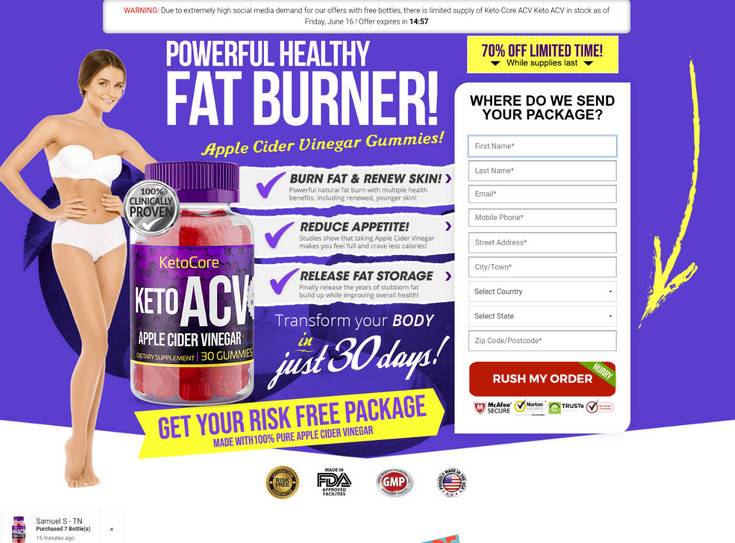
Overview of the Scam
The Shark Tank weight loss gummies scam works like this:
- Scammers create a fake brand of weight loss gummies, usually with “keto” in the name. Keto Bites is one example.
- They design a website and label that makes it look like the gummies were endorsed on Shark Tank and invested in by the Sharks.
- To promote the product, they use fake celebrity endorsements and fake reviews to convince people the gummies were featured on Shark Tank.
- When customers Google the product, they find these misleading promotions and believe the scammers’ claims.
- After purchase, customers find the gummies don’t work and realize it’s a scam. But it’s too late – the scammers have already made their money.
Scam ads for “Shark Tank” CBD and keto gummies often appear in Google searches, on Facebook, Instagram, and sketchy websites. The ads link to fake news articles hosted on scam sites.
To trick victims, scammers copy the page designs of major publishers like ABC, Fox, People, Time, etc. They use fake quotes and photos of the Sharks endorsing gummies. The articles appear seeded throughout the site to seem real.
Some specific examples of fake scam pages include “Shark Tank CBD Gummies – [Brand]” on an ABC News-copycat site, and “[Celebrity] Keto Gummy Bears Reviews” hosted on a Fox News-lookalike page.
The key thing to understand is that no weight loss gummy product has ever been endorsed or invested in on Shark Tank. The show has never featured weight loss gummies at all. Any claims otherwise are completely fabricated.
How the Scam Works
The Shark Tank weight loss gummies scam is quite sophisticated in how it deceives customers:
Fake Branding and Websites
The scammers create professional-looking websites and product labels that closely mimic the Shark Tank branding. This makes the gummies appear credible and endorsed by the show. Phrases like “As seen on Shark Tank” help perpetuate the deception.
Fake Celebrity Endorsements
Scam websites feature fake quotes from Sharks like Mark Cuban, Kevin O’Leary, Lori Greiner, and Daymond John. The Sharks allegedly provide glowing reviews of the gummies’ weight loss powers, convincing customers the product is legitimate. But these are completely made up.
Fake Customer Reviews
You’ll see countless reviews on scam sites from people who claim they lost huge amounts of weight using keto diet gummies after seeing them on Shark Tank. These reviews are completely fabricated and often accompanied by fake before-and-after photos.
Fake Clinical Studies
To further legitimize their products, scammers will cite made-up “clinical studies” that prove the gummies’ effectiveness for weight loss. These studies don’t exist; there’s no evidence weight loss gummies work.
Aggressive Sales Tactics
Fake limited-time discounts, countdown timers, and claims of “only few bottles left” pressure customers to purchase without doing thorough research. This allows the scammers to make quick sales before people figure out it’s a scam.
How to Spot This Scam
While shark tank weight loss gummies scams can look convincing, there are some clear warning signs:
- Claims of being “featured on Shark Tank.” No weight loss gummies have ever actually been on the show.
- Too-good-to-be-true claims like “Lose 50 lbs in 1 month!” No supplement can deliver these types of unrealistic results.
- Fake celebrity endorsements using quotes that appear nowhere else online except the scam site.
- Reviews that seem overly enthusiastic and generic. Real customer reviews are usually more balanced.
- Misspelled words, grammatical errors, and other signs of a sloppy, quickly-made website. Legitimate brands put more effort into polish.
- Aggressive upselling, limited-time discounts, and other sales pressure tactics.
The best way to verify if a weight loss product was actually on Shark Tank is to search the episode summaries on Wikipedia. You can also search the Shark Tank subreddit (/r/sharktank), where fans thoroughly discuss episodes and products featured. If there’s no mention of the product anywhere except the scam site itself, then it’s fake.
What to Do if You Fell Victim to This Scam
If you already ordered shark tank weight loss gummies and later realized it was a scam, take the following steps:
- Stop taking the gummies immediately. Discontinue use, as they could be unsafe.
- Contact your credit card company or bank. Report the charges as fraudulent. Many card issuers will reverse the charges and issue a new card.
- Report the scam. File complaints with the FTC and BBB to help warn others. Also leave negative reviews detailing the scam.
- Research the company. Look up the website owner and try contacting them demanding a refund. If they’re unresponsive, file a complaint with the Attorney General.
- Consult your doctor. Tell them about the gummies you took so they can check for any potential medical issues caused by ingesting an unregulated product.
- Spread awareness. The more people who know about these shark tank keto gummies scams, the less victims there will be. Share this article to help others avoid being swindled.
Conclusion: Steer Clear of Shark Tank Weight Loss Gummy Scams
No weight loss gummy product has ever really been featured on Shark Tank. Any claims that a keto diet pill or supplement was endorsed by the Sharks or invested in by them is a complete fabrication.
These shark tank weight loss gummies scams operate by deceiving customers with fake websites, celebrity endorsements, reviews, and clinical studies. Their aggressive sales tactics are designed to get people to buy before doing proper research.
Always thoroughly fact check any weight loss product claiming it appeared on Shark Tank. And understand that no gummy supplement can produce miraculous results or healthy long-term weight loss. Maintaining skepticism and caution is the best way to avoid these scams.
Frequently Asked Questions
Did the Sharks really invest in weight loss gummies on Shark Tank?
No. There are no weight loss gummies that actually received an investment from any of the Sharks. Any claims about them investing in a keto gummy product are false.
What are some examples of shark tank weight loss gummy scams?
Some fake brands that have used Shark Tank illegitimately to promote their gummies include Keto Bites, Shark Tank Keto Gummies, PureFit Keto, Rapid Tone Keto, and True Keto. All scams.
Could I lose weight by taking these fake shark tank gummies?
You might lose some weight in the short term by taking weight loss gummies, but this would likely be only water weight, not body fat. For sustained weight loss, you need a calorie deficit and lifestyle changes – no supplement alone can deliver significant permanent results. The gummies themselves likely have minimal efficacy.
Are there any legit weight loss products featured on Shark Tank?
Yes, a few – but no gummies. Legit products that received investments include Raspberry ketones, Garcinia Cambogia extract, Alpha Lean 7. But note that these still aren’t magic bullets for weight loss either and have limited clinical evidence. There are no shortcuts!
What should I do if I already bought shark tank weight loss gummies?
Stop taking them immediately, as they may be dangerous. Contact your credit card company to dispute the charges as fraudulent. File complaints with the FTC and BBB to warn others, and leave negative reviews about the scam online to help prevent more victims. See a doctor if you have any concerns about possible side effects.

Join the discussion
0 commentsShare your experience or ask a question about this article.
Discussion
Start the conversation
Have a question or something useful to share? Add the first comment.