

Could the key to easy, rapid weight loss really be as simple as eating chocolate?
Online ads for “Slimming Chocolate” certainly make it sound that way. Dramatic before-and-after images show belly fat melting away, as doctors in lab coats endorse chocolate’s incredible fat-burning powers.
It all seems too good to be true…because it is.
The tantalizing promise taps into the fantasy of indulging while dropping pounds. But take a bite, and you’ll find only bitterness from the letdown of false hopes and deception.
This in-depth report unwraps the lies to reveal what’s really inside Slimming Chocolate. You’ll discover how exaggerated claims and manipulative funnels hide a troubling truth. One that leaves a bad taste for anyone desperate enough to believe chocolate could be an effortless cure for stubborn body fat.
By the end, you’ll understand the calculated scam beneath the sweet facade. And more importantly, how to protect yourself from buying into the empty calories of fake weight loss promises.
So read on to learn the harsh reality about Slimming Chocolate before taking a bite you’ll regret…
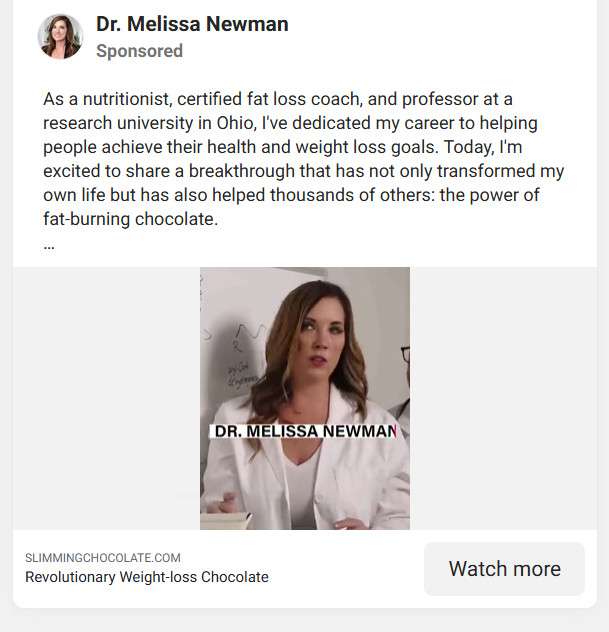
Scam Overview: How Fake Chocolate Claims Target Desperation
Weight loss is a frustrating battle for many. And shady marketers are all too eager to capitalize on that desperation. Enter ads for magical “Slimming Chocolate” promising dramatic results from simply indulging your sweet tooth.
The premise preys on unrealistic hopes and lacks scientific merit. But convincing images and fake testimonials create an enticing illusion. In reality, no chocolate-fueled quick-fix can replace proper nutrition and exercise. As the saying goes, “If it seems too good to be true, it probably is.”
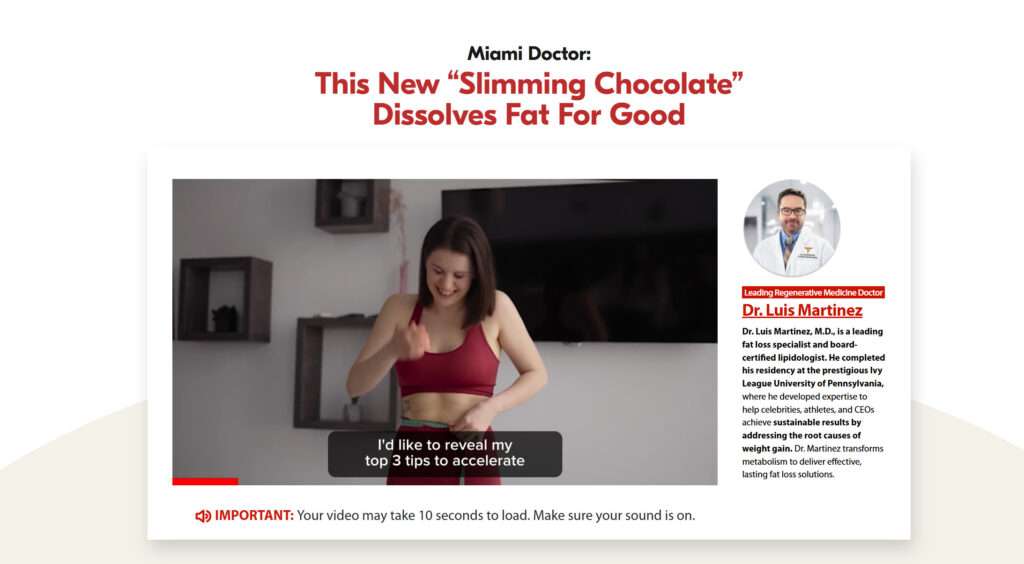
Here are the red flags that indicate slimming chocolate is a ploy:
- Outlandish Claims. Ads tout extreme weight loss without any lifestyle changes. But no studies support these exaggerations.
- No Transparency. The chocolate’s origins, ingredients and manufacturing details are never disclosed.
- Fake Experts & Reviews. Phony doctors and testimonials give glowing endorsements without proof or credentials.
- Hard Upsells. Click the ads and you’ll get pressured into recurring deliveries of unproven products.
The chocolate itself likely contains minimal cocoa at best. And any weight loss observed stems from dietary changes spurred by hype alone. The real motivation is snagging credit card information and continually charging victims.
How the Scam Unfolds
The deceptive slimming chocolate funnel masters emotional manipulation. Here’s an inside look at how the ploy ensnares consumers:
Casting the Bait
- Sympathy Ploy: Stories of struggling single moms or images of overweight individuals grab attention.
- Urgent Tone: Phrases like “weird trick” or “scientists baffled” imply readers need to act fast.
- Link Bait: Curiosity-piquing headlines promising effortless weight loss lure clicks.
Reeling You In
- Video Sales Pitch: A lengthy infomercial by a fake “expert” touts chocolate’s benefits using convincing statistics.
- Pseudoscience Explanations: Jargon-filled descriptions pretend to explain chocolate’s magical fat-burning mechanism.
- Social Proof: Fake celebrity endorsements, testimonials and doctor recommendations reinforce the claims.
- Scarcity Tactics: Countdown timers and limited stock warnings pressure quick purchases.
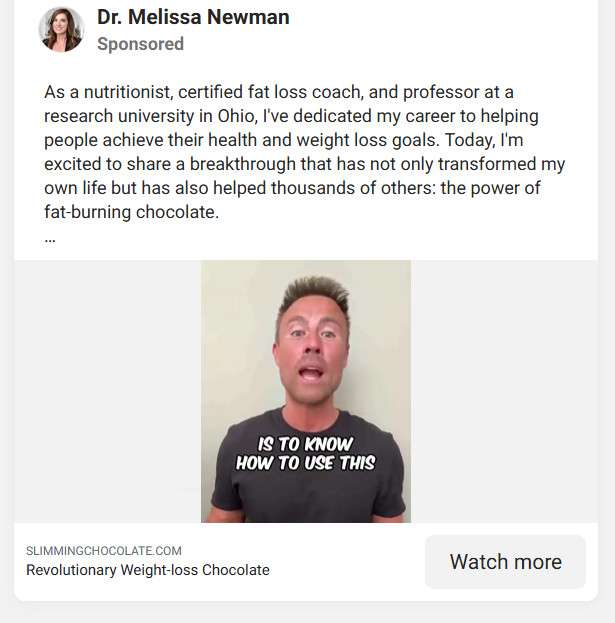
Hooking You
- Trial Offer: Providing credit card information gains access to discounted chocolate “while supplies last.”
- Hidden Terms: Fine print exposes recurring shipments every month and convoluted cancellation policies.
- Upsells: Additional products get tacked onto orders, inflating costs even further.
- Auto-Renewal: Victims find it extremely difficult to halt recurring charges draining their accounts monthly.
The elaborate funnel plays psychological games to achieve one goal: securing your payment information. Every other element aims to overcome skepticism so you hand over your money willingly. But the promised benefits never materialize.
What To Do If You’ve Been Scammed
If you discover monthly slimming chocolate charges after taking the bait, immediately take these steps:
- Alert Your Credit Card Company: Report the charges as fraudulent and request a chargeback refund. Cancel any recurring billings.
- Monitor Statements: Watch for other unusual activity and disputed transactions that may indicate stolen payment info.
- Call the Merchant: Demand an immediate refund and cancellation of all orders and subscriptions. Document every interaction.
- Dispute Online: Initiate complaints with the BBB, FTC and review sites regarding the deceptive billing practices.
- Warn Others: Share your experience on social media and consumer sites so less people fall for the false promises.
- Improve Security: Change account passwords and implement credit monitoring to protect against potential identity theft.
With persistence, you can halt the unwanted charges and warn others not to trust shady weight loss chocolate advertisements. Let your lesson deter their sweet lies from claiming more victims.
Frequently Asked Questions About Slimming Chocolate Scams
1. What are slimming chocolate scams?
Slimming chocolate scams refer to deceptive online advertisements that promise dramatic weight loss results simply by eating chocolate regularly. They often feature fake experts and use manipulated imagery to give the illusion that chocolate can burn fat. In reality, the claims are unsupported, aiming to secure sales and credit card details from desperate dieters.
2. What types of claims do the ads make about slimming chocolate?
Some exaggerated claims include:
- Losing up to 30 lbs in a few weeks from chocolate alone
- Fat melting away by triggering fat-burning hormones
- Eliminating stubborn belly or thigh fat that no diet or exercise could shed
- Fitting into old jeans without any other lifestyle change
- Chocolate being more effective than diet pills or surgery
3. Why are the claims made in slimming chocolate ads untrue?
No clinical studies show that chocolate triggers significant weight loss. At best, small amounts of cocoa may provide nominal benefits. But exaggerated claims capitalize on wishful thinking and lack scientific proof. The described benefits stem from dietary changes made in anticipation, not chocolate itself.
4. What are the risks of buying into slimming chocolate scams?
Risks include recurring credit card charges you didn’t agree to, identity theft from stolen payment information, and wasting money on ineffective products. The ads obtain your financial details under false pretenses. Many people also report difficulty cancelling orders.
5. How can you identify slimming chocolate scams?
Red flags include unrealistic before/after photos, fake doctor recommendations, hard upsells, limited time offers pressuring impulse buys, and no clear manufacturer details. Legitimate products will be transparent about ingredients, origins, and health substantiation.
6. What should you do if you already ordered slimming chocolate?
If you see unexpected charges, notify your credit card company immediately and dispute them. Monitor statements closely for other fraudulent charges. Be prepared for an uphill battle getting refunds and cancelling recurring orders. Check credit reports and consider reporting the ads if fraud occurred.
7. How can you avoid getting scammed in the future?
Maintain skepticism about dramatic weight loss claims, especially those tied to chocolate. Beware of fake testimonials, limited time offers, and hidden subscription charges in the fine print. Research the company thoroughly first and confirm fair billing policies before providing any payment information.
8. What is the bottom line on slimming chocolate scams?
No chocolate product alone will cause significant fat loss. The ads prey on desperation, making false promises to access financial information and continually bill victims. Weight loss requires balanced nutrition and exercise over time, not chocolate bars. Always verify claims and transparency before buying – it’s likely too good to be true.
The Bottom Line: Eating Chocolate Won’t Make You Skinny
In summary, supposed “slimming chocolate” uses manipulative marketing to swindle desperate dieters seeking an easy solution. But no evidence supports chocolate as a magic bullet for weight loss. A healthy, sustainable lifestyle remains the only proven path to shedding pounds long-term.
Be wary of outlandish claims about eating chocolate, especially when:
- Benefits seem exaggerated or unrealistic
- Products have unclear origins and ingredients
- Testimonials seem staged or paid promotions
- You get pressured to provide payment information
Remember that no single food holds the key to transformative weight loss on its own. Maintain skepticism in the face of emotional marketing tactics. And focus on implementing healthy habits rather than trusting chocolatey quick fixes.
With realistic expectations and dedication to nutrition and fitness, you can achieve weight goals safely, effectively and permanently. Just don’t take the bait when ads promise effortless slimming from chocolate. behind the sweet lies lurks only disappointment and financial risk – never the dream of fast, easy fat loss.
This article is for informational purposes only and should not be relied upon for financial or business decisions. We identify potential scams using research, user experiences, and expert analysis. However, all claims should be independently verified. Mistakes may occur, and legitimate products could be flagged. We strive for accuracy but make no warranties regarding the completeness or reliability of the information.

If you are the owner of the website or product in question and wish to offer clarifications regarding your business or website, please reach out to us via our Contact form.

Join the discussion
0 commentsShare your experience or ask a question about this article.
Discussion
Start the conversation
Have a question or something useful to share? Add the first comment.