

Email scams that spread malware through attachments are a common threat facing many organizations and individuals today. One such scam to emerge recently is the “Stainless Steel Tank” email scam. This scam involves emails pretending to come from a company offering stainless steel tank products or construction services. The email contains an infected attachment that installs malware if opened.
This malicious scam demonstrates how cybercriminals exploit business relationships and supply chain communications to distribute malware to unsuspecting recipients. Understanding how this scam works and how to identify it can help defend against costly malware infections.

An Overview of the Stainless Steel Tank Email Scam
The Stainless Steel Tank scam starts with an email that pretends to come from a real stainless steel manufacturing and construction company. The message claims to contain information about an invoice, project specifications, or shipment details related to stainless steel tanks.
The attached file is given an innocent name like “StainlessTankSpecs.zip” or “ShippingSchedule.rar” to seem related to the steel tank business described in the email. But if the compressed attachment is extracted, it contains malware executables or infected files.
Once opened, the malware payload covertly installs on the victim’s computer or network. It may download additional malware or open a backdoor for the attackers. The malware deployment allows cybercriminals to steal data, compromise systems, deploy ransomware, or conduct other criminal activities.
The embedded malware often evades antivirus software through sophisticated obfuscation techniques. Victims with security scanners may see the initial attachment flagged, but the malware slips through once extracted from the compressed archive. This catches many organizations off guard after trusting emails from what appears to be a known supplier.
While simple on the surface, the multiple deception steps make the Stainless Steel Tank scam notoriously effective at delivering malware, as seen in its widespread distribution. Understanding the detailed inner workings of this scam illuminates what makes it so deceptive and dangerous.
How the Stainless Steel Tank Scam Works
The Stainless Steel Tank scam leverages multiple phases of social engineering and malware delivery to successfully compromise targets. Here’s an in-depth look at how it unfolds:
Phase 1: Target Identification
The first step for the cybercriminals is identifying who to target with the scam email. Companies in construction, engineering, manufacturing, architecture, and related industries get targeted given their frequent use of stainless steel tanks and materials.
The scammers gather business email addresses from company websites, public directories, leaked databases, and corporate communications. Email names may also get spoofed to impersonate real executives if sender names are known.
Phase 2: Perform Company Research
Next, the scammers thoroughly research the target company by gathering names, projects, products, partners, and associated terminology. This allows them to craft tailored emails referencing real stainless steel tanks or construction projects at the victim organization.
Press releases, project announcements, supplier listings, and social media profiles provide intel the scammers leverage to fabricate authentic-looking scenarios in their scam messages.
Phase 3: Craft Deceptive Email Content
With background research completed, the scammers create emails related to legitimate stainless steel tank orders, shipments, specifications, purchasing departments, and supply chain workflows.
Email content, subject lines, attachments names, sender identities, and signatures are carefully composed to convincingly impersonate a known steel tank vendor.
Phase 4: Attachment Infects Targets
The emails come loaded with an attachment containing malware inside a compressed ZIP, RAR or 7z file. Extracting the attachment runs executable malware files that install on the target’s system via system exploits or user consent.
Advanced malware evades antivirus scans using encoded payloads, polymorphic code, or anti-analysis tools to disable security inspection. Targets see the expected document content, but malicious actions run in the background.
Phase 5: Leverage Infected Systems
Once embedded in the target network, the malware allows unfettered remote access to the scammers. Data exfiltration, lateral movement, deployment of ransomware, and system manipulation occurs out of sight.
Backdoors and C2 implants are created to allow ongoing access. Targets remain unaware as data gets stolen or additional payloads deployed across the network.
Phase 6: Cover Tracks
To prevent detection, the scammers delete any original phishing emails or malware attachments. Logs get wiped, and remote access is obfuscated to obscure indicators of compromise from IT teams.
Without traces back to initial infection vectors, the scammers can operate freely using their malware foothold to meet cybercrime goals.
Executed thoroughly, the Stainless Steel Tank scam gives scammers the means to breach target networks, avoid detection, and maintain access required for extensive criminal monetization.
What to Do if You Are Targeted by the Stainless Steel Tank Scam
If you receive an unexpected email claiming to contain stainless steel tank details, invoices, or other attachments, use extreme caution. Here are the steps to take:
1. Check Sender Details Carefully
Even if seemingly from a vendor, verify that the sender email, domain, and company details all match previous correspondence. Impersonation is common.
2. Inspect Message Content Closely
Read through the entire email looking for language quirks, spelling errors, or other signs not consistent with a business partner’s usual communications.
3. Avoid Opening Attachments
Regardless of claims made in the email, do not open attached zip files, documents, or other payloads without verifying legitimacy first.
4. Confirm Through Alternate Channels
Reach out directly to the purported sender via phone or other verified contact points to inquire about the attachment and confirm they sent it.
5. Scan with Antivirus Tools
If you must open the attachment, be sure to scan it with up-to-date antivirus software first to check for malware. But caution is still needed.
6. Inspect Extracted Contents
If opening a compressed attachment after scanning, carefully inspect any extracted files before opening further. Malware often hides in secondary inner files.
7. Report Suspicious Email
Alert cybersecurity staff within your organization about any questionable attachments claiming to be from vendors or partners. Reporting helps prevent infection.
With awareness of tactics used in the Stainless Steel Tank scam, individuals can take proactive steps to halt the malware threat before it compromises systems and data.
How to Recover from the Stainless Steel Tank Malware
If you fear your system has been infected via the stainless steel tank email scam, prompt mitigation steps are key:
1. Isolate the Infected System
Disconnect the compromised computer from any networks right away to prevent malware from spreading. Turn off Wi-Fi and unplug ethernet cables.
2. Reset Passwords
Immediately change passwords for all systems and accounts accessed from the infected device. Use devices not linked to the compromised one when resetting.
3. Scan All Connected Devices
Thoroughly scan any systems or devices that were connected to the same network as the malware-infected machine for signs of infection.
4. Wipe and Reinstall the Infected Device
Backup important files securely, then wipe the infected device fully and reinstall the operating system from scratch to clear the malware.
5. Notify Your IT Security Team
Report the suspected malware infection to your IT security staff or managed service provider for assistance with remediation.
6. Assess Damage Done
Work with IT staff to determine the scope of the breach, if any data was exfiltrated, and which systems need remediation before coming back online.
7. Bolster Defenses
Update antivirus software, implement stronger email security filtering, provide updated staff phishing training, and deploy network monitoring tools to prevent repeat infections.
With swift action after infection and enhanced security going forward, organizations can contain and recover from malware deployed via scam emails like the stainless steel tank threat.
Is Your Device Infected? Run a Free Malware Scan
Slow performance, constant pop-ups, or strange behavior? These are classic signs of a malware infection. The fastest way to find out is to scan your device with Malwarebytes Free — one of the most trusted malware removal tools available.
The free version detects and removes the most common threats, including:
- Adware — the cause of those annoying pop-ups
- Browser hijackers — unwanted redirects and changed homepages
- Trojans and spyware — hidden programs stealing your data
- Potentially unwanted programs (PUPs) — software you never asked for
👉 Select your device below — Windows, Mac, or Android — then follow the simple steps to download Malwarebytes, scan your system, and remove any threats it finds. The scan usually takes 5 to 20 minutes.
Run a Malware Scan with Malwarebytes for Windows
Malwarebytes is one of the most popular and trusted anti-malware tools for Windows — and it’s completely free for removing infections. It catches threats that many antivirus programs miss, including adware, browser hijackers, and trojans. Follow the steps below to scan and clean your PC in just a few minutes.
Download Malwarebytes
Click the button below to download the latest version of Malwarebytes for Windows from the official source. The free version is all you need — it will scan your computer and remove adware, browser hijackers, and other malicious software at no cost.
Download MalwarebytesOfficial installer for Windows 11 and 10. Your download starts right away.Want real-time protection? See Malwarebytes Premium Malwarebytes Free for WindowsScans and removes malware at no cost
-
Install Malwarebytes
When the download finishes, open your Downloads folder and double-click the MBSetup file. If Windows shows a User Account Control pop-up, click “Yes” to allow the installation.
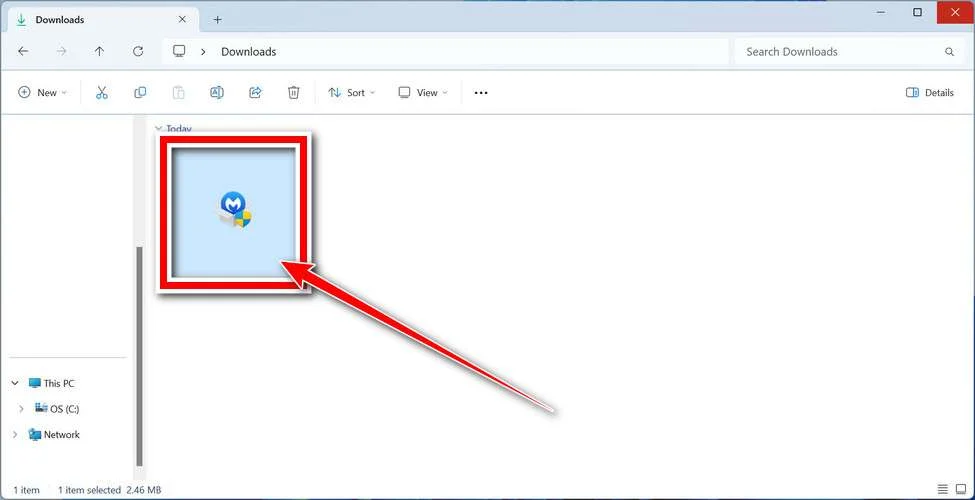
Follow the On-Screen Prompts to Install Malwarebytes
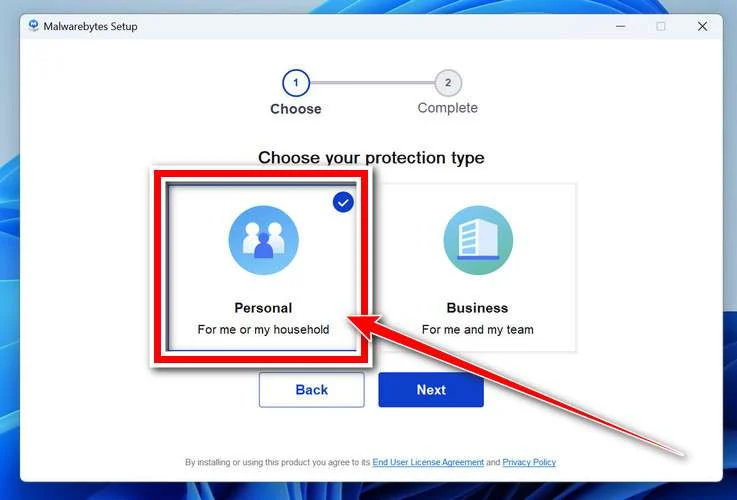
The setup wizard will walk you through a few quick screens:
-
Choose where you’re installing the program — “Personal Computer” or “Work Computer” — then click Next.
-
Malwarebytes will now install on your device. This usually takes under a minute.

-
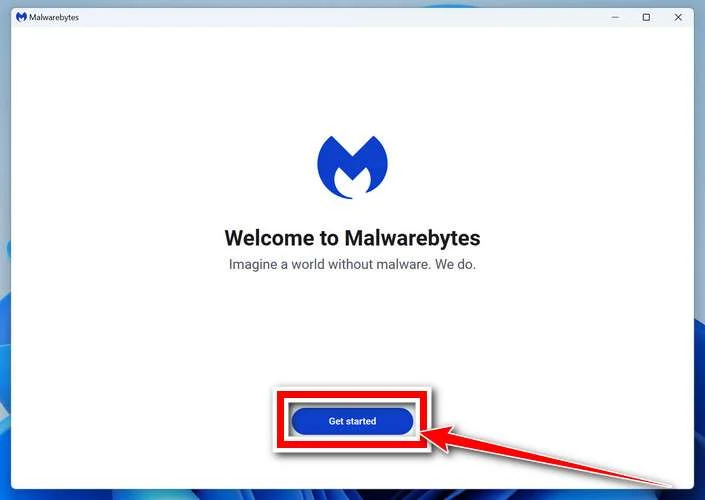
When installation is complete, the “Welcome to Malwarebytes” screen will open automatically.
-
On the final screen, click Open Malwarebytes to launch the program.

-
Enable “Scan for Rootkits”
Before scanning, turn on rootkit detection so Malwarebytes can find even the most hidden threats. Click the Settings gear icon on the left side of the screen.
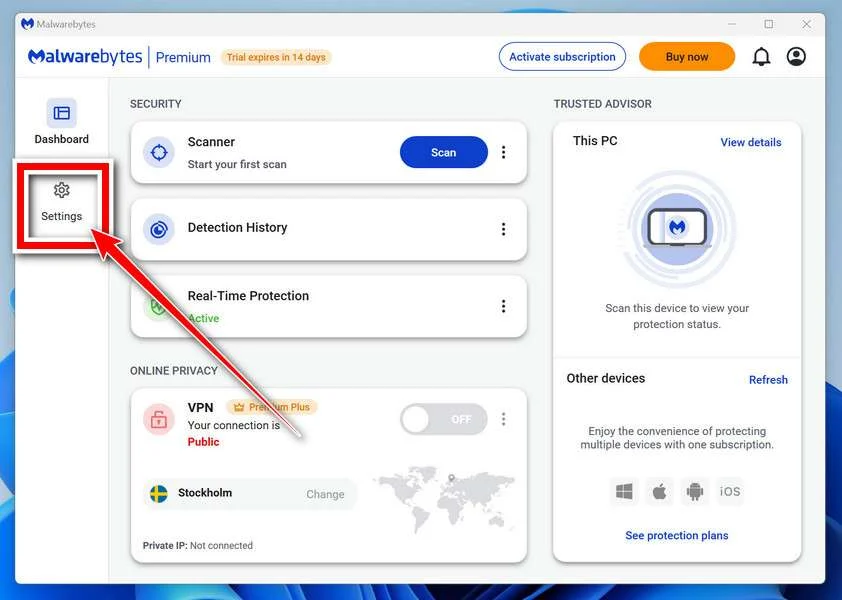
In the settings menu, find “Scan for rootkits” and click the toggle so it turns blue.

Done? Click “Dashboard” in the left pane to return to the main screen.
Start the Scan
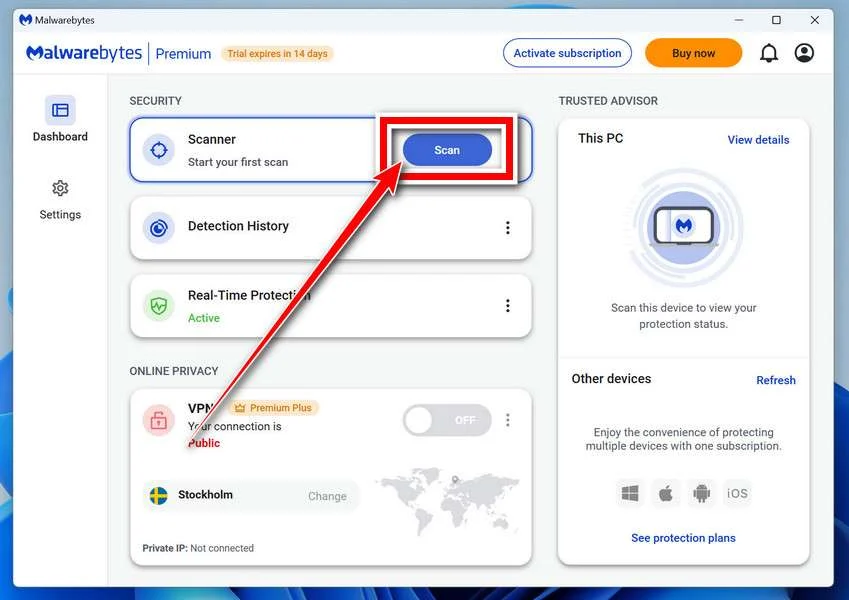
Click the blue Scan button. Malwarebytes will automatically update its virus database and start checking your computer for malware.
-
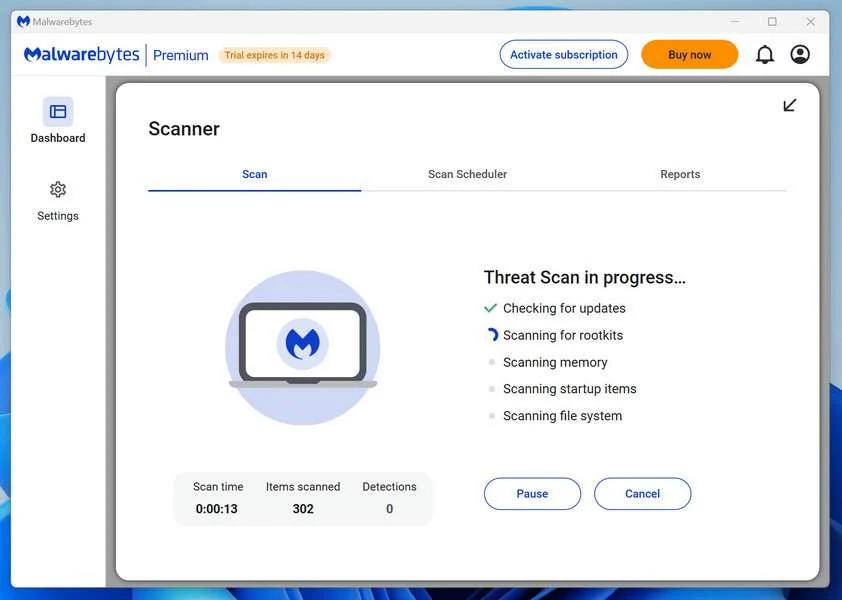
Wait for the Scan to Finish
The scan checks your entire system for browser hijackers and other malicious programs, so it can take 5 to 20 minutes depending on your computer. Feel free to do something else — just check back occasionally to see the progress.
-
Quarantine the Detected Threats
When the scan is done, you’ll see a list of everything Malwarebytes found — malware, adware, and potentially unwanted programs. Click the “Quarantine” button to remove all of them at once.
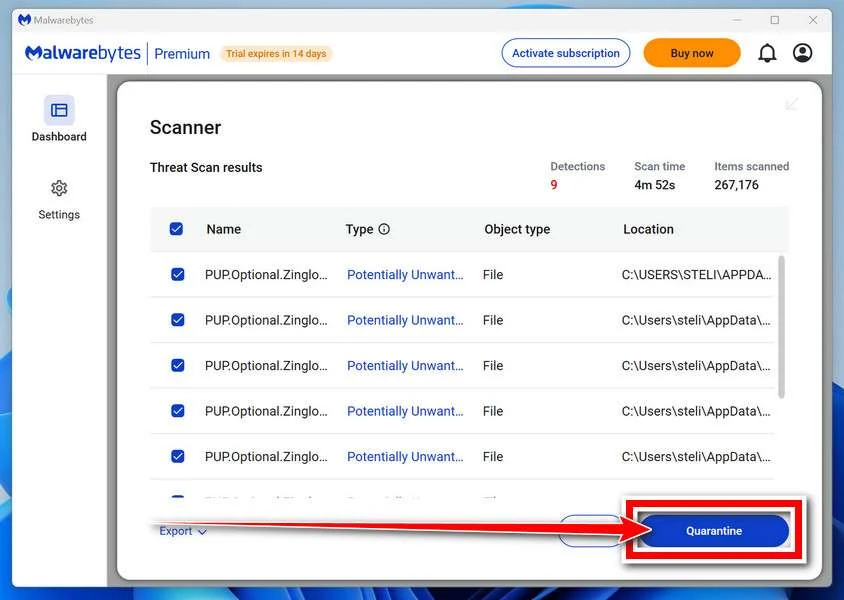
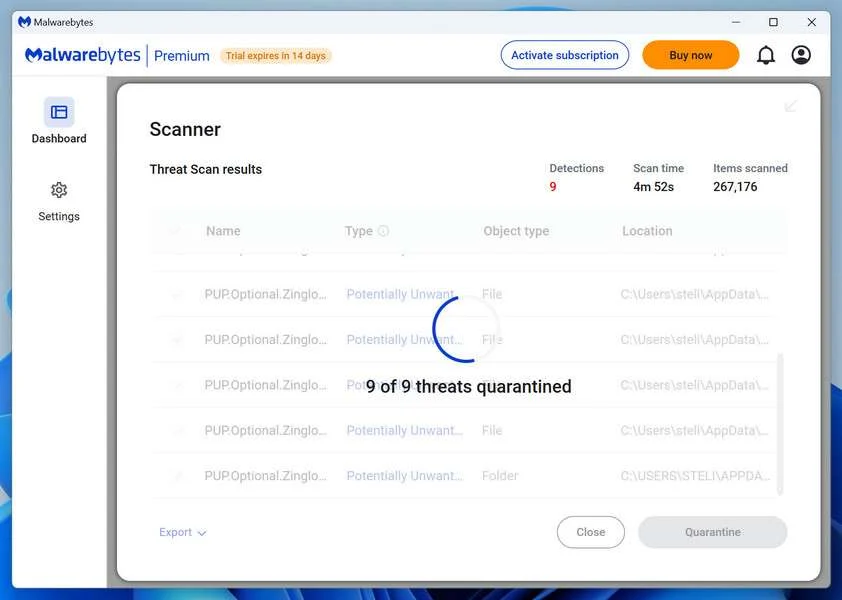
Malwarebytes will now remove the malicious files and registry entries and move them safely into quarantine.
-
Restart Your Computer
Some threats can only be fully removed after a reboot. If Malwarebytes asks you to restart, click Yes. Once you’re logged back in, Malwarebytes has finished removing the threats it found.
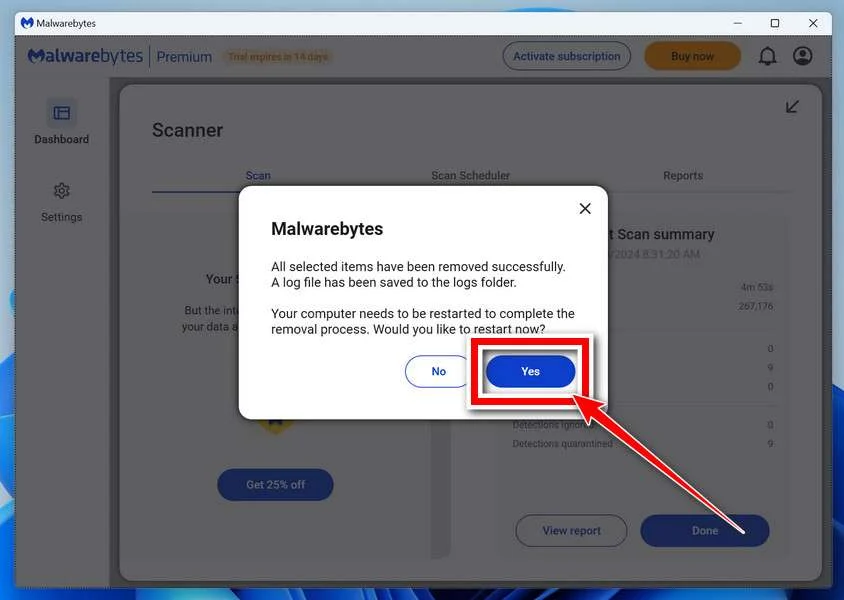
That’s it — your Windows PC is now clean of trojans, adware, and other malware, and should be back to running smoothly.
If you are still having problems with your computer after completing these instructions, then please follow one of the steps:
- Run a computer scan with ESET Online Scanner
- Ask for help in our Windows Malware Removal Help & Support forum.
Run a Malware Scan with Malwarebytes for Mac
Malwarebytes for Mac is a free on-demand scanner that removes the malware other security software tends to miss — adware, browser hijackers, and unwanted programs included. Cleaning an infected Mac with Malwarebytes has always been completely free, and it’s our go-to recommendation. Follow the steps below to scan and clean your Mac in just a few minutes.
-
Download Malwarebytes for Mac
Click the button below to download the latest version of Malwarebytes for Mac.
Download MalwarebytesOfficial installer for macOS. Your download starts right away.Want real-time protection? See Malwarebytes PremiumMalwarebytes Free for MacScans and removes malware at no cost -
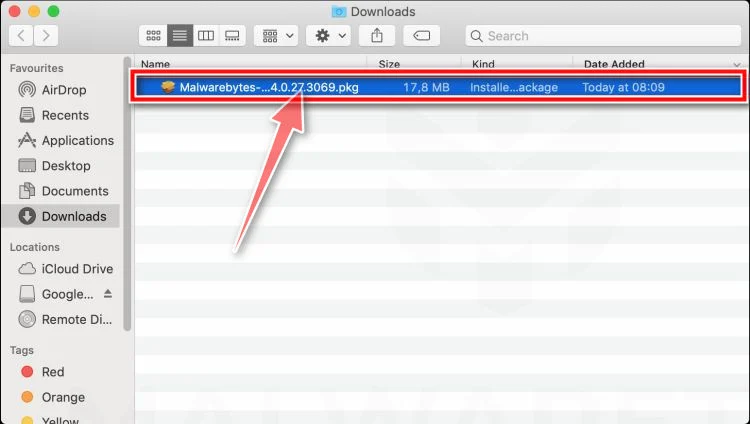
Open the Malwarebytes setup file
When the download finishes, open your Downloads folder and double-click the setup file to begin the installation.
-
Follow the On-Screen Prompts to Install Malwarebytes
The Malwarebytes for Mac Installer will guide you through a few quick screens. Click “Continue” and keep following the prompts until the installation completes.
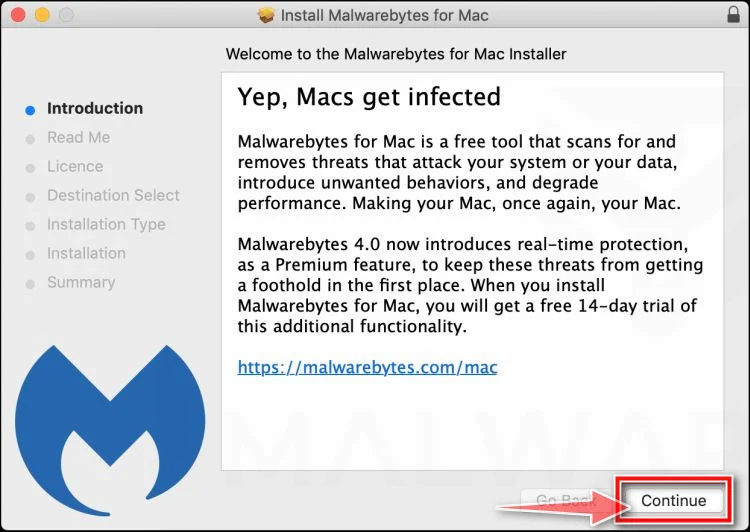
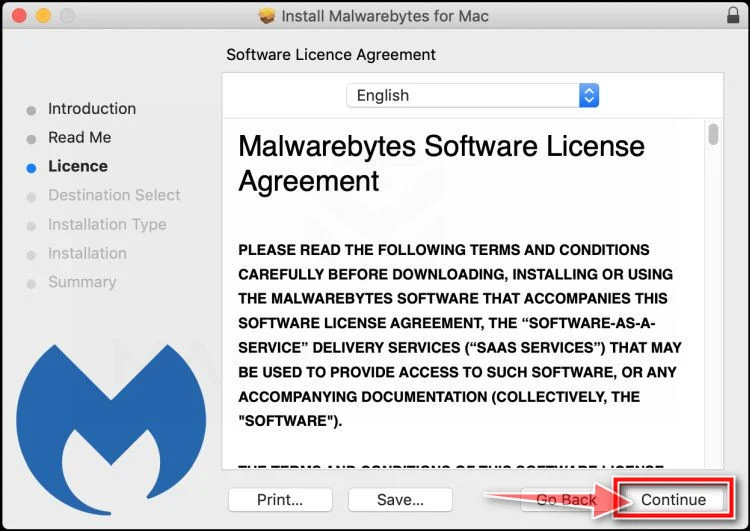
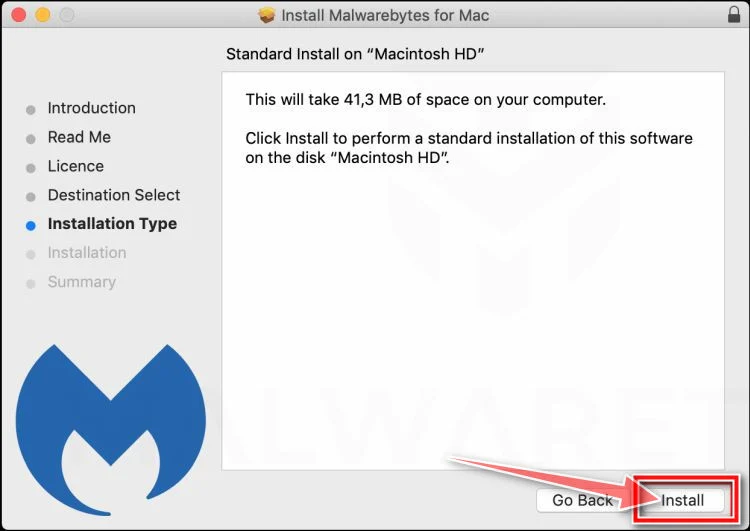
When the installation is complete, Malwarebytes opens to the Welcome to Malwarebytes screen. Click “Get started“.
-
Select “Personal Computer” or “Work Computer”
Malwarebytes will ask what type of computer you’re installing it on. Click either Personal Computer or Work Computer, whichever applies.
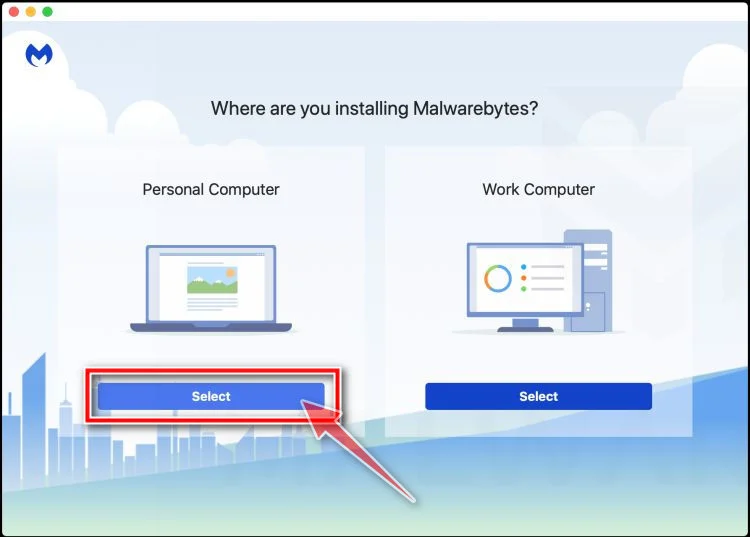
-
Start the Scan
Click the “Scan” button. Malwarebytes will automatically update its detection database and begin checking your Mac for malware.
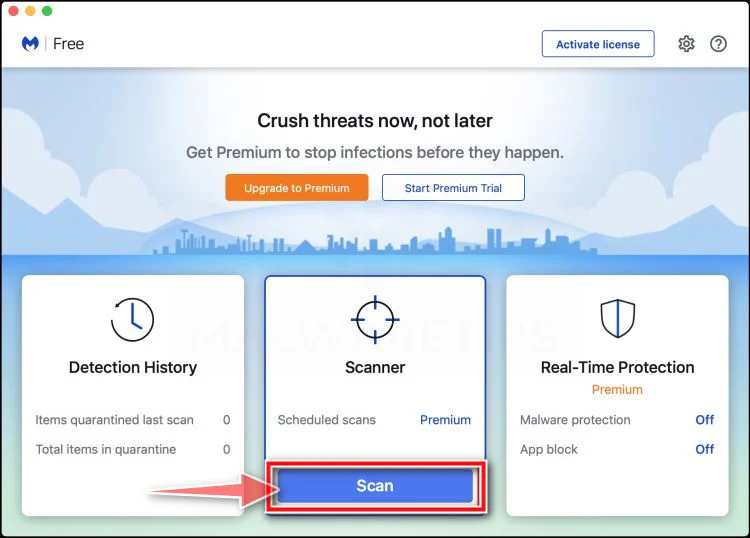
-
Wait for the Scan to Finish
Malwarebytes will scan your Mac for adware, browser hijackers, and other malicious programs. This can take a few minutes, so feel free to do something else — just check back occasionally to see the progress.
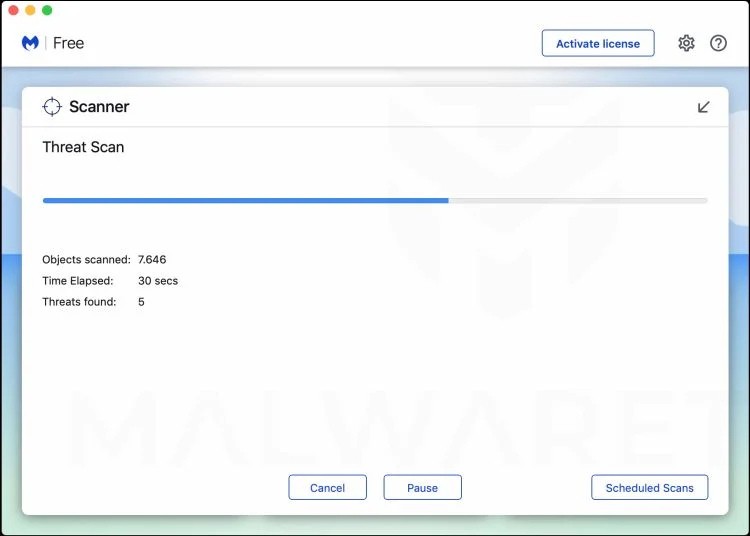
-
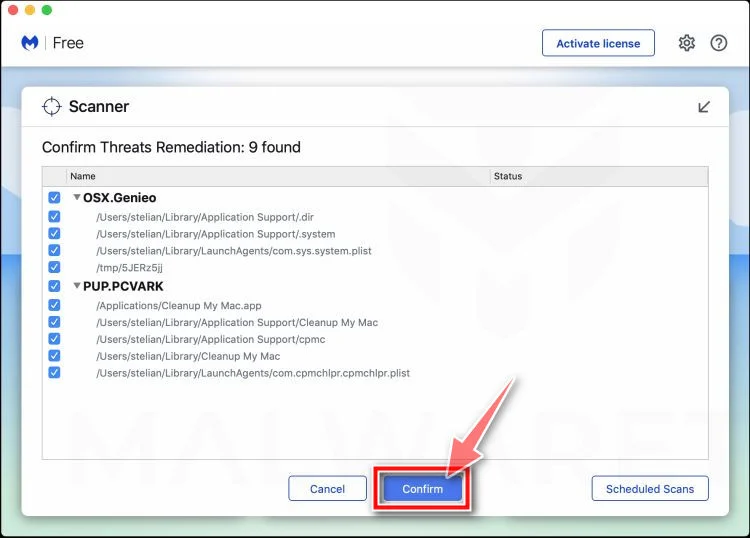
Quarantine the Detected Threats
When the scan is done, you’ll see a list of everything Malwarebytes found. Click the “Quarantine” button to remove all the threats at once.
-
Restart Your Mac
Malwarebytes will now remove all the malicious files it found. Some threats can only be fully removed after a reboot — if Malwarebytes asks you to restart, allow it. Once you’re logged back in, your Mac is clean.
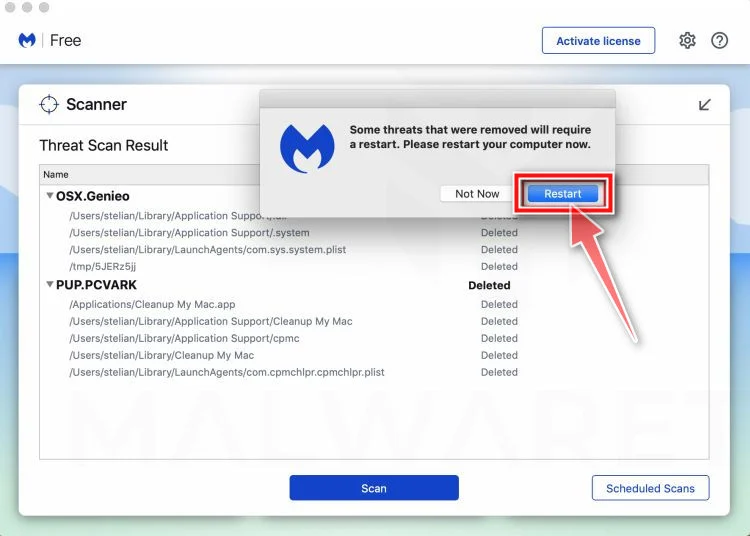
That’s it — your Mac is now free of adware, rogue browser extensions, and other potentially harmful software.
If you are still experiencing problems while trying to remove a malicious program from your computer, please ask for help in our Mac Malware Removal Help & Support forum.
Run a Malware Scan with Malwarebytes for Android
Malwarebytes for Android automatically detects and removes dangerous threats like malware and ransomware so you don’t have to worry about your most-used device being compromised. Aggressive detection of adware and potentially unwanted programs keeps your Android phone or tablet running smooth.
-
Download Malwarebytes for Android.
You can download Malwarebytes for Android by clicking the link below.
Get Malwarebytes for AndroidOpens Google Play in a new tab.Want real-time protection? See Malwarebytes Premium for AndroidMalwarebytes for AndroidScans your phone and removes malware at no cost -
Install Malwarebytes for Android on your phone.
In the Google Play Store, tap “Install” to install Malwarebytes for Android on your device.

When the installation process has finished, tap “Open” to begin using Malwarebytes for Android. You can also open Malwarebytes by tapping on its icon in your phone menu or home screen.

-
Follow the on-screen prompts to complete the setup process
When Malwarebytes will open, you will see the Malwarebytes Setup Wizard which will guide you through a series of permissions and other setup options.
This is the first of two screens that explain the difference between the Premium and Free versions. Swipe this screen to continue.
Tap on “Got it” to proceed to the next step.
Malwarebytes for Android will now ask for a set of permissions that are required to scan your device and protect it from malware. Tap on “Give permission” to continue.
Tap on “Allow” to permit Malwarebytes to access the files on your phone.
-
Update database and run a scan with Malwarebytes for Android
You will now be prompted to update the Malwarebytes database and run a full system scan.

Click on “Update database” to update the Malwarebytes for Android definitions to the latest version, then click on “Run full scan” to perform a system scan.

-
Wait for the Malwarebytes scan to complete.
Malwarebytes will now start scanning your phone for adware and other malicious apps. This process can take a few minutes, so we suggest you do something else and periodically check on the status of the scan to see when it is finished.

-
Click on “Remove Selected”.
When the scan has been completed, you will be presented with a screen showing the malware infections that Malwarebytes for Android has detected. To remove the malicious apps that Malwarebytes has found, tap on the “Remove Selected” button.

-
Restart your phone.
Malwarebytes for Android will now remove all the malicious apps that it has found. To complete the malware removal process, Malwarebytes may ask you to restart your device.
That’s it — your Android phone is now clean — no more malicious apps, adware, or browser redirects.
If you are still having problems with your phone after completing these instructions, then please follow one of the steps:
- Restore your phone to factory settings by going to Settings > General management > Reset > Factory data reset.
- Ask for help in our Mobile Malware Removal Help & Support forum.
Stay Protected: Block Ads and Malicious Sites
Now that your device is clean, keep it that way. Most infections start with a malicious ad or a fake download button — so blocking them at the source is your best defense.
We recommend AdGuard, which blocks malicious ads, phishing pages, and dangerous redirects before they can reach you.
👉 Download AdGuard and browse safely
Frequently Asked Questions About the Stainless Steel Tank Email Scam
What is the Stainless Steel Tank email scam?
This scam sends emails pretending to be from stainless steel tank suppliers. The emails contain malware attachments disguised as project files, invoices, etc. related to steel tanks.
What is the goal of this scam?
The goal is to infect targets with malware using the guise of a realistic business email regarding steel tank orders, shipments, or construction projects.
How does the malware get installed?
Compressed attachments contain hidden malware files. Recipients who extract the attachments inadvertently install the malware thinking they’ll see shipment data or other steel tank details.
What happens once the malware is installed?
The malware allows remote access for scammers to steal data, spread infections further, deploy ransomware, and damage systems undetected.
How do I spot this scam in my inbox?
Watch for attachments with names related to steel tanks from senders you don’t recognize. Even known senders may be spoofed.
Is it safe to open attachments if my antivirus doesn’t flag them initially?
No, the malware often evades antivirus scans by hiding encrypted code inside attachments. Only open after confirming legitimacy through other means.
What should I do if the sender seems legitimate?
Verify with the supposed sender directly over the phone or other channel before opening attachments you weren’t expecting from them.
What are signs an email is part of this scam?
Incorrect company names, logos, or sender addresses, urgent requests, typos, and personalizations like “Dear customer” indicate likely scams.
How can companies defend against this malware threat?
Block suspicious senders, scan all attachments, train staff to recognize phishing, require secondary confirmation before opening attachments, and filter emails for malware links.
What should I do if I opened an attachment associated with this scam?
Isolate any affected systems immediately and change all account passwords accessed from infected devices. Wipe devices fully and scan connected systems for malware.
Conclusion
The Stainless Steel Tank scam offers timely lessons about modern malware distribution tactics. Cybercriminals adapt social engineering and technical tools to find new vectors past security measures through vendors, suppliers, and partners.
By scrutinizing unexpected emails, avoiding unverified attachments, and reporting suspicious messages, individuals and businesses can proactively stop malware infections before they occur. Safety begins with education on the creative phishing techniques attackers employ within scam emails.
With malware campaigns like the stainless steel tank scam likely to persist, maintaining vigilance against phishing and constantly updating defenses is critical. Being aware of the methods used in this scam better equips organizations to catch and prevent the next wave of highly-targeted malware operations.

Join the discussion
0 commentsShare your experience or ask a question about this article.
Discussion
Start the conversation
Have a question or something useful to share? Add the first comment.