

SugarReset appears in promotions aimed at people tired of thinking about blood sugar every day. A few drops can sound much easier than another difficult adjustment.
But a supplement purchase should begin with a clear answer to a basic question: what, exactly, are you buying?
Overview
The SugarReset link sells a different named product
The supplied SugarReset Facebook page directs visitors through bestfitmart.com. Its ordering route ends at a Sugar Defender purchase page, not a SugarReset checkout.
The target is sugardefender24.com, with referral information identifying SugarReset in the link. That tracking label does not make the bottle for sale SugarReset.
This is a product-identity problem before it becomes a payment problem. Anyone following the promotion needs an explanation of the change before agreeing to an order.
The ingredient stories are not interchangeable
The Facebook promotion, a separately branded SugarReset website, and the Sugar Defender destination present different ingredient selections. They should not be treated as one consistent formula.
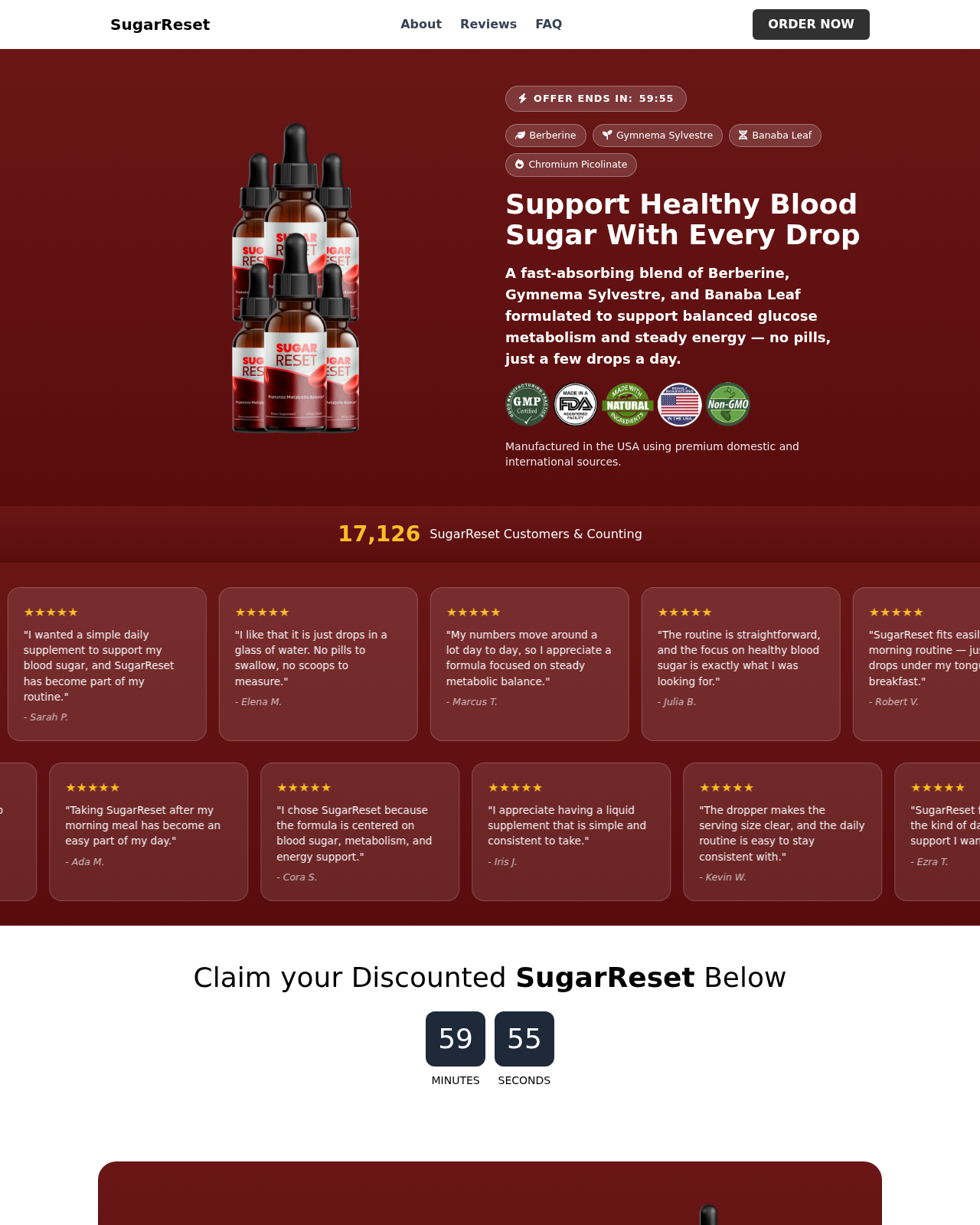
The named SugarReset page highlights berberine, gymnema, banaba, and chromium. The Sugar Defender destination lists eight ingredients, including guarana, maca, and eleuthero.
For a shopper, the important differences are:
- The advertised name changes before the order.
- The ingredient presentation changes with the destination.
- Package savings favor several bottles bought together.
- The target’s refund policy excludes sale items.
- The target says payment is one-time, not an automatic refill.
The money-back promise needs a direct answer
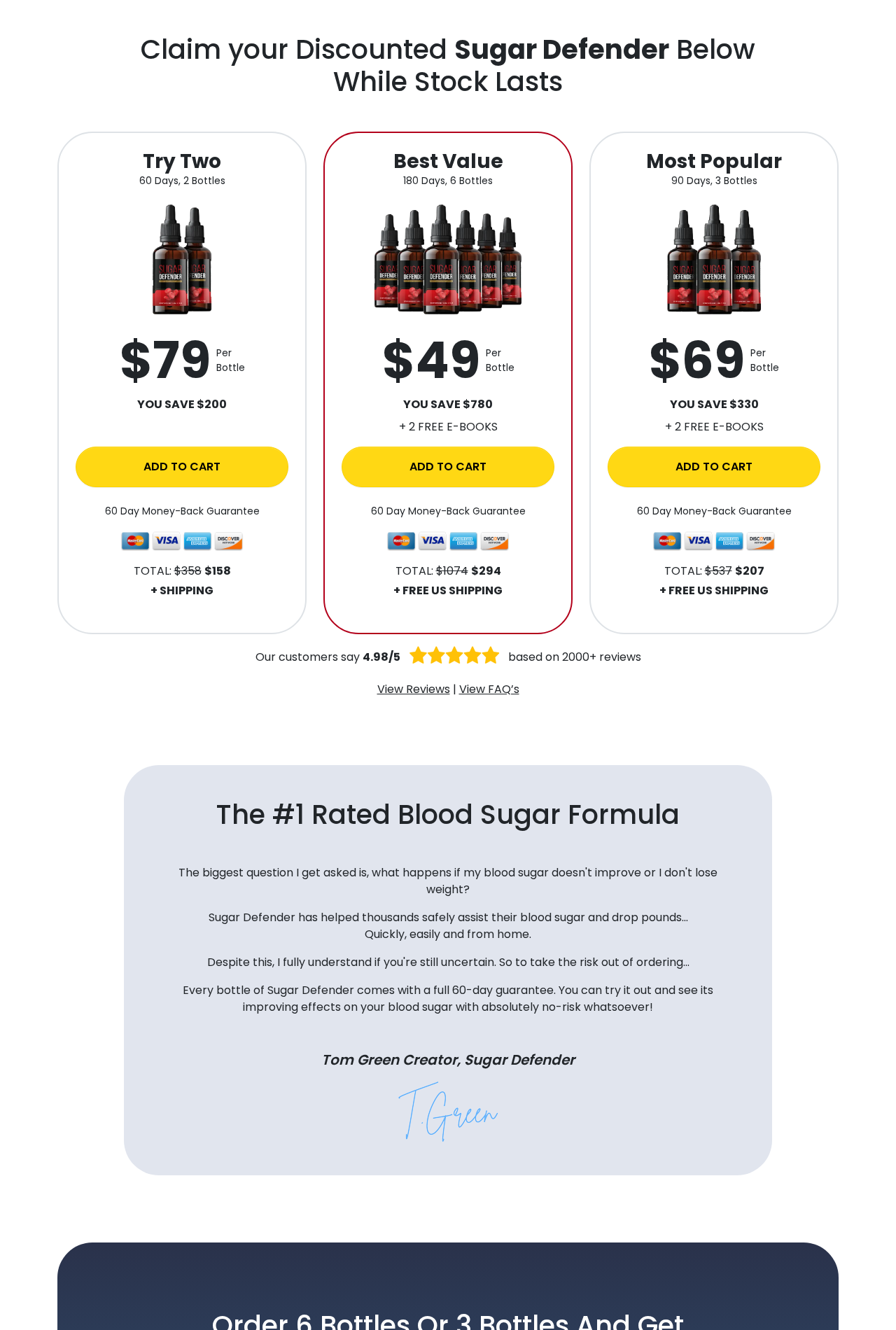
Sugar Defender displays a 60-day guarantee alongside discounted package offers. Its return policy says sale items are not refundable.
A buyer should not discover that exclusion only after paying. The seller needs to explain whether the advertised bundle is eligible for the guarantee.
Do not purchase through this unexplained SugarReset-to-Sugar Defender route. The product substitution and refund wording make the offer unsuitable to recommend.
Why the Name Change Matters More Than the Bottle Design
People often research a supplement by its name. They read about ingredients, compare reviews, and decide whether the product might fit their circumstances.
That work becomes less useful when the order link changes the product without explaining why. A similar bottle shape cannot carry over the original formula or evidence.
A dropper bottle is a packaging format, not a clinical identity. Two liquids can have completely different ingredients, concentrations, precautions, and manufacturing responsibilities.
The SugarReset Facebook ingredient promotion names six ingredients. The separately named SugarReset page displays four, while the Sugar Defender target presents eight.
Some ingredients overlap, but overlap is not equivalence. A product containing gymnema and chromium is not automatically the same as every other supplement containing them.
The amount, extract, serving size, and remaining ingredients influence what is being evaluated. Without those details, comparing marketing lists can create false confidence.
Do not use reviews of one named formula to validate another. The seller should provide the complete panel for the bottle actually listed in the final order.
If it cannot explain the substitution, keep the purchase unfinished. That is a reasonable response to a broken product trail, not excessive caution.
How the SugarReset Sales Route Works
Step 1: A blood-sugar promotion catches attention
The supplied Facebook page uses SugarReset branding and points readers toward an ordering link. Its promotional ingredient image makes the supplement feel specific and recognizable.
The image’s presentation does not verify the complete formula, individual doses, or manufacturing origin. Readable packaging should be available before the purchase, not only after delivery.
The page’s generic location and limited visible purchase history do not authenticate the seller. Facebook hosting supplies a platform, not a medical or commercial endorsement.
Keep the claim that influenced you, especially if it suggested changes to medication or blood-sugar management. Such claims need stronger support than customer stories.
Step 2: The intermediary forwards the shopper
The order link goes through bestfitmart.com/sugar-reset-buy/. The final destination offers Sugar Defender, with SugarReset appearing in referral tracking.
A referral label records the source of a click. It does not establish a manufacturing relationship or mean the destination product is an authorized SugarReset replacement.
Compare the full destination address and bottle name. Do not continue merely because the target discusses the same health concern as the starting advertisement.
An acceptable product substitution would be disclosed clearly. The customer should knowingly choose the replacement, rather than discover it while reviewing a charge afterward.
Step 3: Per-bottle prices lead toward larger packages
The Sugar Defender destination displays six bottles for $294 and three for $207. Two bottles cost $158 before shipping.
The six-pack’s $49 figure is a unit price. It does not describe a $49 purchase of one bottle.
Package savings can be legitimate, but the complete charge needs equal attention. Decide whether you want the quantity before treating the lower unit price as a bargain.
No unauthorized increase from one bottle to six was established in this investigation. The displayed packages show options, not proof that the seller changes a completed order.
Step 4: The guarantee appears reassuring
A 60-day guarantee can reduce a shopper’s hesitation about trying an unfamiliar supplement. That impression depends on which orders and bottles actually qualify.
The target’s return page excludes sale items. Because the offer emphasizes savings, the exclusion creates a question that needs answering before payment.
Is the bundle treated as a sale item, or does the specific advertised guarantee override that general condition? Obtain a written response attached to the offer.
Do not assume the most favorable interpretation will be applied later. A guarantee should resolve uncertainty, not require a customer to argue about conflicting pages.
Step 5: Return authorization adds another deadline
The policy measures 60 days from purchase and requires an approved return authorization. After authorization, returned goods must be sent within 14 days.
Customer-paid postage creates another cost. The return address is 19655 East 35th Drive, Suite 100, Aurora, Colorado 80011.
A request for authorization is not necessarily an approved return. Keep asking for the written approval, reference number, and dispatch deadline if the first response is incomplete.
The instructions warn against returning goods to the manufacturer. That distinction confirms why a parcel destination should not automatically be called the manufacturing address.
The return page also contains unrelated provisions about books and recorded media. Those template remnants weaken confidence that the rules were written carefully for this supplement.
SugarReset Promotion, Sugar Defender Seller, and Return Checks
The referrer and the seller need separate identities
A SugarReset Facebook page, bestfitmart.com referral, and Sugar Defender merchant are different parts of the journey. The order receipt should identify the party accepting payment.
Ask who is responsible if the advertised product differs from the one delivered. A promoter’s involvement does not relieve the merchant of explaining its own transaction.
A manufacturer, reseller, and affiliate may each have a legitimate role. The problem is leaving those roles unclear when the product name changes.
Do not treat a Facebook page name as the legal company. Use the seller identified in the actual agreement and confirmation when making a cancellation request.
The Aurora location is for returns
The target policy supplies an Aurora return address and tells customers not to send items to the manufacturer. Use that address only with the required authorization.
That wording does not identify where the liquid was produced or bottled. A returns warehouse can process parcels for products made elsewhere.
The supplied pages do not establish Chinese origin for this order. Shipping routes and factory details would be needed to make that claim responsibly.
Keep the parcel label if a product arrives. It may provide useful shipping information, but an overseas return destination still needs to be distinguished from manufacturing origin.
Use the target’s support, not an unrelated product contact
Sugar Defender’s contact page publishes +1 866-994-8188 and support@sugardefender.com. It lists extended support hours for questions about its product.
Those are published contact details, not tested evidence that a refund request will be answered. No calls or messages were sent to the seller.
For a disputed order, provide its number, purchase date, and product name. Ask the representative to clarify the sale-item exclusion rather than repeat a general guarantee.
Request confirmation in writing. A phone conversation that leaves no record is less useful if you later need to show what was promised.
A complete label matters more than a promotional ingredient list
Obtain the Supplement Facts panel for Sugar Defender if that is the bottle being sold. Do not substitute the panel or ingredient list of a SugarReset-branded page.
Compare serving amount, warnings, allergens, distributor, and lot information. Pictures of herbs do not establish the amount contained in each serving.
Quality testing should identify the finished product and lot. A generic certificate or manufacturing badge cannot authenticate every bottle using a similar marketing name.
No contamination test was conducted here. The current warning concerns an unclear sales identity, inconsistent ingredient presentations, and a potentially limiting refund rule.
Blood-Sugar Marketing Must Not Replace Treatment
The word reset can suggest that a complicated health problem has a simple, reversible switch. Blood-sugar care cannot be judged from that marketing idea.
NCCIH’s diabetes supplement guidance describes limited evidence and warns against replacing effective treatment with unproven products.
An ingredient may have preliminary research without proving that this bottle improves diabetes outcomes. Trials can use different doses, preparations, and combinations.
A testimonial about reducing medication is especially unsuitable as advice for another person. Treatment adjustments belong with the clinician overseeing that person’s condition.
If you use insulin or other glucose-lowering medicine, show the actual label to your healthcare team. They can assess suitability and possible interactions.
Do not stop prescribed care because a webpage promises natural support. A refund dispute can be inconvenient; delaying necessary medical care can be far more consequential.
What to Do If You Ordered Through SugarReset
-
Find the final product name. Read the receipt and order summary rather than relying on the initial Facebook advertisement.
If Sugar Defender appears, save both brand names and the redirect route. Explain the substitution when asking the merchant to cancel an unintended purchase.
-
Record the guarantee and exclusion together. Keep copies of the 60-day promise, package discount, and return policy’s sale-item restriction.
Ask whether your specific discounted order qualifies. Include the transaction number so the answer cannot be mistaken for a response about a different offer.
-
Act within the purchase-date window. The policy starts its 60 days when you buy, not when you finish trying the liquid.
Request authorization early and note the separate 14-day return period following approval. Keep every timestamp if support delays its response.
-
Follow authorized return instructions. Confirm the Aurora recipient, required reference number, eligible bottles, and whether original shipping is included in the proposed refund.
Retain the tracking receipt and delivery record. A different SugarReset website’s address is not an authorized destination for this transaction.
-
Review any later billing individually. The inspected contact information says a one-time payment with no future payments required.
If another charge appears, ask for its authorization record and request cancellation of any unwanted continuity arrangement. A recurring charge needs its own explanation.
-
Take unresolved misleading-sales problems to the payment provider. Submit the brand change, conflicting refund wording, receipt, and attempted resolution.
Ask about the available dispute category and deadline. State whether the issue is misdescription, refund refusal, nonarrival, or unauthorized billing instead of blending them together.
-
Keep diabetes management with your clinician. If you used the drops, supply the actual bottle label and explain any symptoms or glucose changes.
Continue prescribed treatment unless your healthcare professional changes it. Obtain prompt medical help for concerning symptoms rather than seeking instructions from a sales representative.
-
Report the specific promotion when appropriate. A platform report can identify the unexplained product substitution or a misleading medical claim.
Keep a copy before reporting, because the post may disappear. Reporting helps document the advertisement but does not itself cancel an order or recover payment.
Frequently Asked Questions
Where does the supplied SugarReset ordering link go?
It passes through bestfitmart.com and reaches a Sugar Defender order page. SugarReset remains in referral tracking, but Sugar Defender is the destination product.
Are SugarReset and Sugar Defender equivalent formulas?
The inspected ingredient presentations differ. Shared health claims or a few overlapping ingredients do not establish identical doses, manufacturing, safety, or effectiveness.
Why is the sale-item exclusion important?
The offer emphasizes discounted bundles while its policy excludes sale items. The seller needs to confirm whether the advertised guarantee covers those exact discounted orders.
When does the refund deadline start?
The target’s policy uses 60 days from purchase and adds a 14-day return period after authorization. Waiting until delivery or prolonged use can reduce your options.
Was a SugarReset refill subscription demonstrated?
No recurring agreement was established through this route. The Sugar Defender contact page says one-time payment. Investigate any unexpected later charge using your own records.
Can these drops replace diabetes medication?
Do not replace prescribed treatment with this advertisement’s supplement. Discuss the actual product with the clinician responsible for your diabetes care before considering it.
The Bottom Line
Do not order through this SugarReset promotion. It substitutes Sugar Defender without a clear explanation, and the discounted offer sits beside a sale-item refund exclusion.
If you paid, request cancellation or written guarantee eligibility promptly, preserve the redirect and policies, and escalate an unresolved transaction dispute with those records.








