


Your phone lights up with a message from a number you don’t know. It contains your first name and a question mark. Nothing else.
You can probably think of three people it might be. The annoying part is that the message gives you no way to tell which one.
Overview
Your name is a clue, not a credential
An unknown number that texts your name hasn’t proved it belongs to someone you know. It’s shown you one piece of information, and nothing about how it got it.
That distinction matters because a correct name can make an unfamiliar message feel like a personal one. It turns the absence of context into something you want to fix.
There may be an ordinary explanation. Someone might have changed phones, copied a number incorrectly, or tried to reach a person with the same name.
There’s also a documented reason to be careful.
The FTC warns that some unexpected texts are designed to start a conversation, even when the initial message doesn’t ask for money or contain a link.
What one message can’t tell you
A text that says only your name doesn’t reveal whether the sender intended to reach you. It doesn’t reveal who controls the number or where that person is.
It doesn’t show whether someone intends to ask for money or steal a login. Those possibilities don’t follow from a question mark.
The useful question is not whether you can prove a scam immediately. It’s whether you can deal with the interruption without exposing anything you didn’t mean to share.
Decide whether you have another way to check
If the text makes you think of a particular person, contact that person using a number or thread you already trust. There’s no need to answer the new number first.
- Expecting a delivery? Read the order status in the app or confirmation you opened when you bought it.
- Expecting a medical call? Check the clinic’s own appointment message or use the contact details you already have.
- Think it’s a friend? Check through the thread you’ve used before, not a number they only just introduced.
- No obvious connection? Leave the message unanswered rather than guessing.
Why an Opening With No Link Is Worth Noticing
The request may be for your attention
A lot of scam advice starts with links, attachments, or payment demands. This opening has none of them, which can make it feel too harmless to worry about.
The immediate decision is simply whether to give an unverified sender your attention. Once you reply, the person on the other end has a conversation to build on.
Someone who won’t say who they are but keeps asking questions has given you a better reason to stop than the original greeting.
Your reply can supply the details the sender lacked
Saying your name is correct is one thing. Volunteering your employer, neighborhood, or the person you think you’re speaking with makes the exchange more useful to a stranger.
It happens naturally. If you’re wondering whether it’s a former colleague, the words you choose might reveal where you worked, who you knew, and why you’ve been expecting a call.
You can avoid that trap without being rude. Verify the person somewhere else instead of trying to get the unknown sender to guess the right details.
A familiar detail can come from many places
People share their names and phone numbers on different occasions. Contacts, old sign-up records, professional directories, and public posts can make the pair less private than it feels.
The text alone can’t tell you which explanation applies. Don’t pay someone to trace the number or assume a company leaked your data.
If you can see your phone number on a public profile you manage, decide whether it still belongs there. That’s a routine privacy decision, separate from identifying this sender.
The Next Message Is What Changes the Risk
A favor with a deadline
An unknown contact who suddenly needs you to cover a bill, buy a gift card, or send emergency cash deserves a separate identity check.
Find the person they’re claiming to be through a route you already use. If they aren’t reachable, try a family member or mutual contact you know.
Don’t let the sender decide whom you call. A second new number or an introduction made entirely inside the same conversation doesn’t settle the identity question.
If the request is genuine, ask the person you know to confirm it directly before you act.
An ordinary chat that turns into an investment pitch
Some unwanted text exchanges begin with casual conversation and only later turn toward a trading account, an investment opportunity, or a cryptocurrency deposit.
The friendliness isn’t independent evidence. Neither is an account balance displayed on a site the new contact picked or an apparent gain you can’t verify outside that site.
If a stranger you met through an unexpected text wants you to deposit money, stop. You don’t need to test whether the explanation gets better after a small transfer.
Something that claims to be from an account you use
A text might shift to a delivery or security story and tell you where to sign in. Take any request for a code seriously.
Open the service yourself. If there’s a real problem, check what the official account, app, or support team says without using the sender’s path.
The account provider’s instructions matter more than the message, even if the sender already knows your name and the brand of something you use.
Don’t Confuse a Normal Text With a Verified Identity
A local number tells you very little
Seeing your own area code might make the sender feel familiar. At most, it tells you how the number appears on the screen.
Numbers can change hands and people can sign up for new numbers. You don’t need to guess whether this one was spoofed to choose not to respond.
A reverse lookup might attach a name to a number, but it’s not proof of who sent one particular text. Don’t use it to confront or accuse the listed person.
A legitimate sender can leave you a way to verify
An appointment office generally has a published number. A school or employer normally has a contact route you can locate without relying on a new text.
In a personal case, a shared contact can help you check whether someone recently changed their number. Use what you already know rather than information volunteered by the sender.
If it seems like an ordinary first message from a person you were expecting to hear from, take that context into account. Still check any unusual request separately.
A code isn’t part of getting acquainted
Treat a sign-in or verification code as something for your own use. It’s not a way to show a stranger you’re a real person.
Even if you’re told the code came from a different service or was sent to your number by mistake, don’t forward or read it back.
Pay attention to the service named in the code message. If it concerns your account, use that service’s own security page to see whether anything happened.
Pick Your Response Based on What You Actually Did
If you only saw the message
You don’t need to turn one text into an evening of password resets. Leave it alone, block it if you want, and use the spam reporting option on your device.
If there’s a believable reason it might be a real contact, double-check through an existing channel. If that doesn’t turn anything up, there is no obligation to reply.
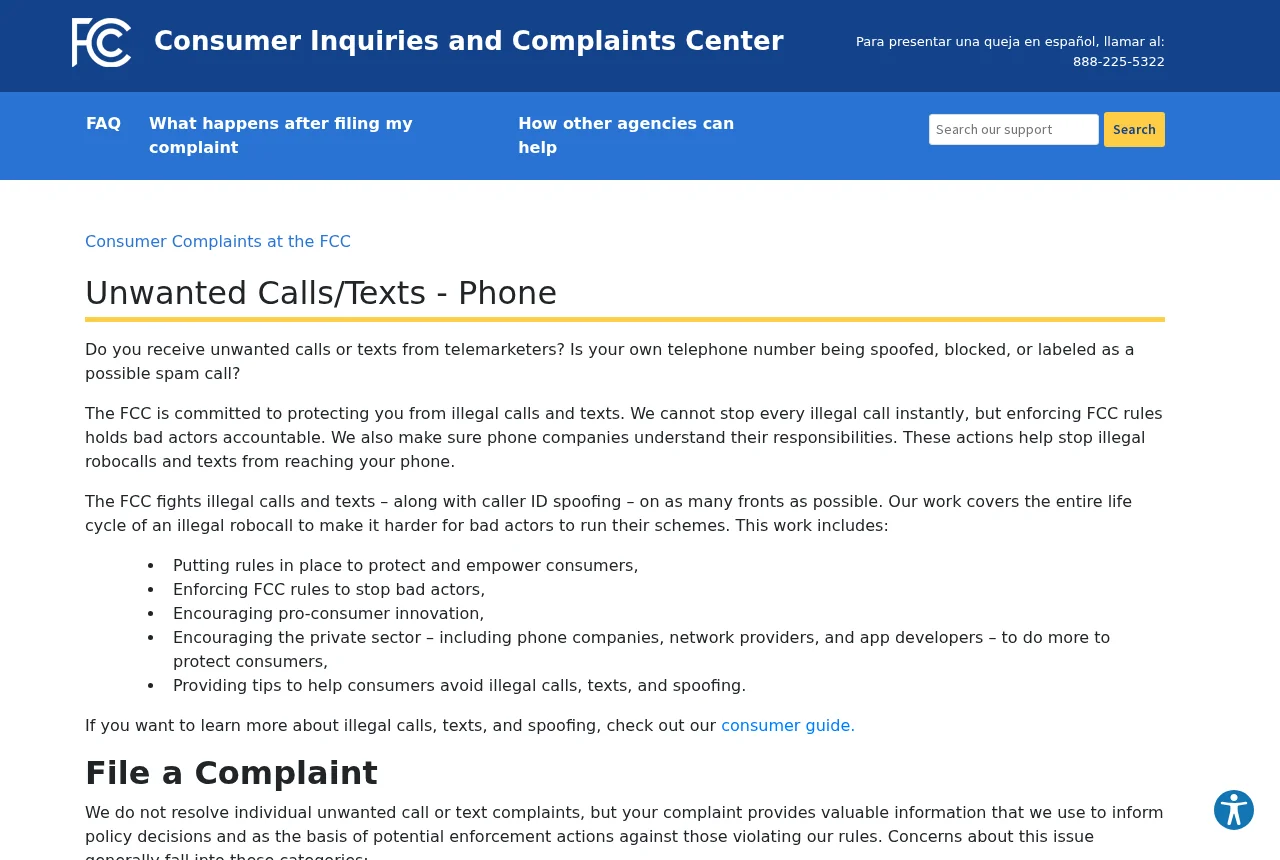
The FCC’s unwanted calls and texts page explains U.S. complaint options. Reporting puts the information in front of the agency; it doesn’t trace the sender for you.
If you said hello or asked who it was
You don’t have to keep talking because you already replied. A one-word response isn’t the same as giving the sender a password or access to your device.
Stop answering if the exchange is going nowhere or heading somewhere strange. Don’t send more personal details to undo the information in the first reply.
Save the short exchange if more messages follow. That gives you something concrete if you decide to report repeated contact rather than trying to remember exactly what was said.
If the next message triggered a bigger action
Be specific about what happened. Opening a page, typing a password, reading out a code, installing an app, and authorizing a payment are different events.
Write down what you remember before cleaning up the conversation. You’ll know which accounts or transactions need attention, and the people helping you won’t have to guess.
Do not re-open a dangerous link to reconstruct what happened. The timestamp, displayed number, and any legitimate alert from your account can be useful on their own.
Put the conversation in context before sharing it
It’s reasonable to show a family member the message if they may receive the same one. Tell them what you saw without claiming you know who sent it.
For example, a message with just a name is a reason to be watchful. A later request to move money is a specific warning you can describe.
Remove personal details if you’re putting a warning in a neighborhood group. There usually isn’t a reason to publish a stranger’s full number or your contact list.
On a family tablet, check whether someone else opened the thread. A message marked read may have been seen by another person using the device.
If a child replies, be clear they can tell you what happened without getting in trouble. Find out whether it was a greeting, a link, or a request.
If messages turn threatening or mention your location, keep the full exchange intact and seek appropriate local help. This is different from handling routine spam.
Someone asking you to prove yourself to them is different from someone telling you who they are. Don’t reverse that responsibility just because they used your name first.
What to Do If You Engaged With an Unknown Sender
-
End the conversation and keep the messages. Don’t argue, threaten, or ask how they found you.
Save the sender details and timestamps, then use your phone’s blocking and reporting tools.
-
Check a claimed identity directly. Start a separate conversation with the friend, company, or institution.
Use a contact you already have, not the new number or a link in the exchange.
-
Secure an account if you gave away a password or code. Reach the service on a trusted device.
Change an exposed password, review active sessions, and check whether recovery details changed.
If you reused that password, change it on the other services too. Use the provider’s recovery flow if your old sign-in no longer works.
-
Treat a download or remote access request separately. If you installed an app at the sender’s direction, stop using it.
Disconnect an active remote session and get help checking what the app could access.
Tell workplace IT if it happened on a managed device. Don’t remove evidence that IT asks you to preserve.
-
Call your bank or payment service if money moved. Use its official app or the number on the card. Explain what you authorized and what you didn’t.
Keep the receipt or transaction reference. If someone offers to recover it for a fee, don’t pay them.
- Report the text without forwarding it to friends. The FTC accepts U.S. fraud reports at ReportFraud. Describe what happened after the greeting, including any request for money or login details.
Frequently Asked Questions
Is a text with my name and a question mark always a scam?
No. There are plausible ordinary explanations. Without more context, leave the unknown number unanswered and contact the person you think it could be through an existing channel.
Can someone take over my phone because I replied?
A plain reply isn’t permission to log in or control your device. Sharing private credentials, following a download prompt, or allowing remote access changes the situation.
What if the sender replies with a photo of somebody I know?
A picture isn’t proof of identity. Photos can be copied or forwarded. Contact the person independently before acting on a request that involves access, private information, or money.
Does blocking the number stop other unknown texts?
It can stop that specific contact from appearing in your usual inbox. It doesn’t prevent someone from using another number, and it doesn’t replace reporting persistent harassment.
Should I reply STOP?
Use STOP when you know it’s a legitimate subscription that offers that option. An unsolicited personal greeting from a stranger isn’t the same as a marketing list you joined.
Is it worth saving a screenshot even if I didn’t pay anything?
It can be, particularly if the messages continue or someone impersonates a person you know. Keep it private and avoid sharing identifiers when warning other people.
The Bottom Line
If an unfamiliar number texts just your name, don’t reply to find out who it is. If someone comes to mind, reach them through a contact you already trust.
If you already said hello, stop there. Save what you have and take further action if you shared a password, installed something, or sent money.

Join the discussion
0 commentsShare your experience or ask a question about this article.
Discussion
Start the conversation
Have a question or something useful to share? Add the first comment.