

As one of the most iconic outdoor gear and apparel brands renowned for quality craftsmanship and lifetime warranties, The North Face has unfortunately become the latest target of sophisticated clearance sale scammers creating fake websites and social media ads promising extreme discounts on merchandise. This guide will break down exactly how this scam ensnares victims plus tips to avoid exploitation.
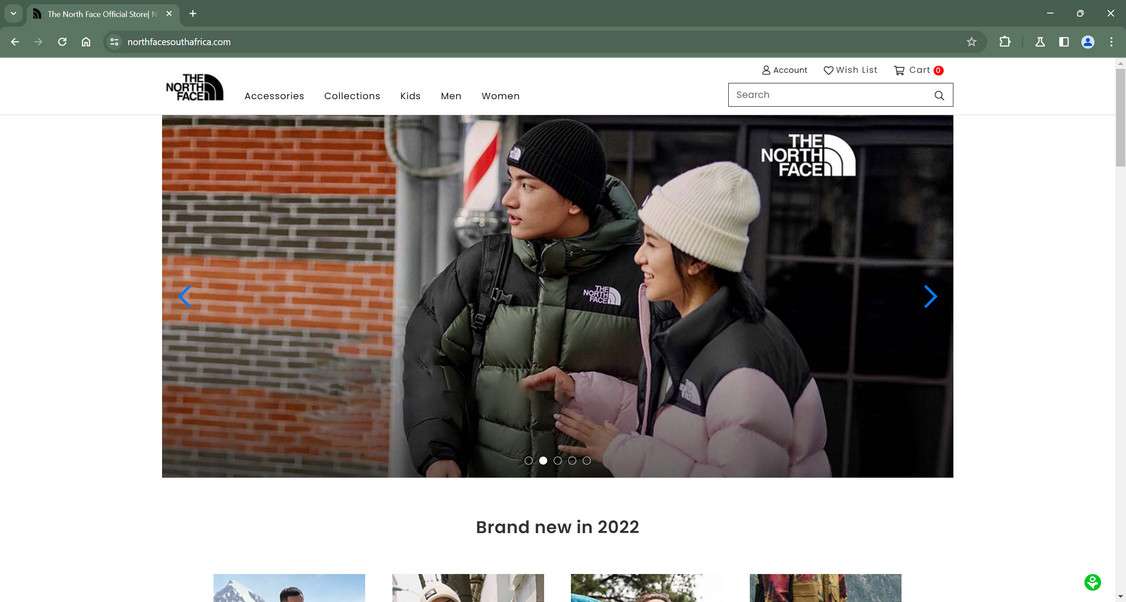
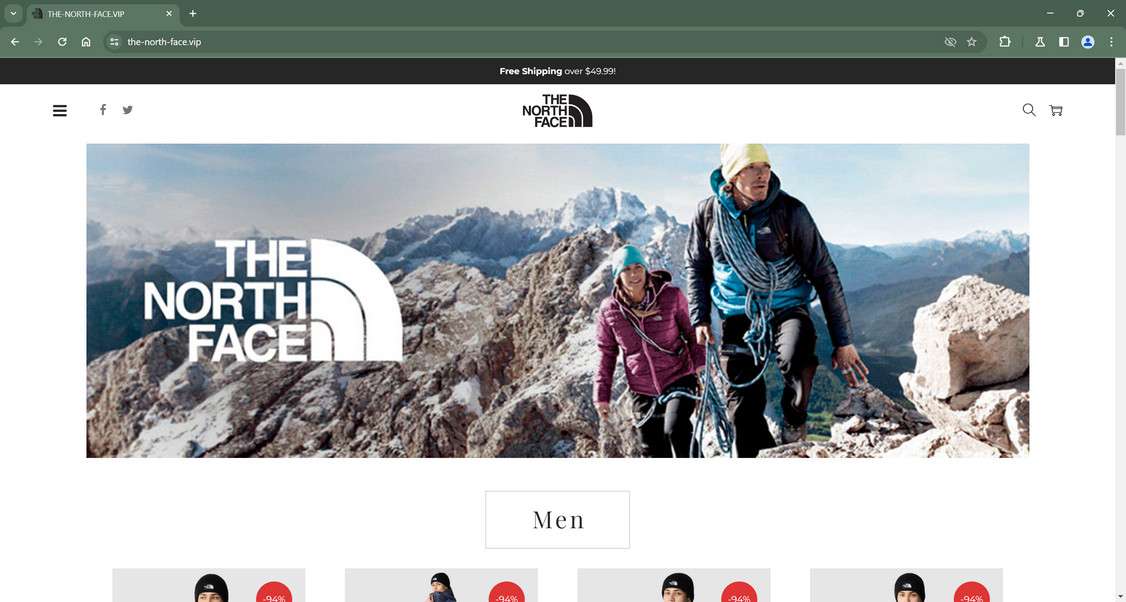
Overview of the Fake The North Face Clearance Sales Conning Shoppers
The innovative The North Face brand has been equipping outdoor explorers since 1966 by applying advanced R&D to highly technical ready-for-anything apparel and equipment. However, The North Face’s trusted reputation is now attracting elaborate clearance sale scams.
Highly-convincing fake The North Face websites engineered to precisely mimic TheNorthFace.com down to matching logos, product shots and web design are being heavily marketed through social media ads. They tout unrealistic limited-time blowout markdowns up to 90% off apparel to spark interest and website traffic.
Common Clearance Scam Warning Signs:
- Extreme 90%+ discounts too good to be true
- Suspicious URLs slightly differing from real sites
- Poor grammar, spelling errors and unprofessional site text
- Dysfunctional customer service phone numbers and addresses
When lured onto these deceptive clearance domain knockoffs instead of legitimate The North Face sites themselves, victims who place orders overwhelmingly report profound disappointment through:
- No items ever shipping after payments process
- Cheap knockoffs being delivered instead of real apparel
- Used, damaged or tampered goods arriving
- Completely wrong random items showing up that weren’t ordered
And adding insult to injury, users’ personal and financial data also gets stolen during checkout on these elaborate sham websites to enable additional identity theft downstream.
By understanding the cunning techniques these fake The North Face clearance scams deploy online, shoppers can sidestep their tricks and securely shop real websites.
Step-By-Step: How Users Get Scammed By Fake The North Face Blowouts
Successfully scamming shoppers using counterfeit The North Face online promotions requires coordinated planning and execution. Here is exactly how innocent victims get duped:
1. Scammers Engineer Fake “The North Face” Online Stores
Sophisticated scam artists architect intricately designed replica The North Face websites made to precisely imitate the outdoor brand’s real online shop.
While URL addresses appear legitimate initially, they actually utilize similarly named domains diverting away from real The North Face properties:
thenorthfaceonlinestore.online
thenorthfaceoutletshop.store
thenorthfacewebsaleretail.shop
The elaborate fake sites similarly use The North Face’s exact logo, product images, and familiar website navigation but differ just enough to control lookalike domain names apart from genuine sites.
2. Bogus The North Face Clearance Ads Promoted Via Social Media
Fraud ring operators then promote their network of sham The North Face domains using compelling social media ads highlighting deep discount messaging to lure traffic. These primarily leverage Facebook, Instagram and Snapchat for immense reach.
The ads run shocking headlines like “The North Face warehouse closing – up to 90% off clearance items!” Links then route through obscured URL shorteners masking the fraudulent destinations.
When social media users click on these advertisements, they get redirected to the sophisticated fake clearance stores instead of legitimate The North Face websites.
3. Shoppers See Outrageous Prices Slashed Over 90% Off
Upon landing on the convincing duplicate The North Face domains, visitors behold what appears as incredible clearance sales boasting extreme 90%+ reductions.
Genuine $120 North Face jackets all show insanely marked down to just $15 or $20 bucks – making high-performance outerwear seem virtually free compared to standard retail rates.
Such irrational price points are shown next to much higher regular The North Face pricing for authenticity. This further fools visitors into assuming the blowout deals are authorized limited-time fire sales.
4. Checkout Forms Steal Users’ Financial and Personal Data
As shoppers rush to checkout unbelievably priced carts full of deeply discounted North Face gear, mandatory order forms demand harvesting customers’ sensitive data including:
- Full legal names
- Home addresses
- Phone numbers
- Credit card numbers
- Security codes
- Expiration dates
This contact and payment intel then flows directly to sophisticated scammers rather than legitimately securing clearance apparel hauls.
5. No Orders Fulfilled or Terrible Products Received Instead
The moment of truth crashes down on duped shoppers awaiting clearance order deliveries that never arrive since:
- Purchases simply vanish after payments with no fulfillment
- Extremely poor quality knockoffs get shipped instead
- Used, damaged or clearly tampered goods arrive
- Random wrong products show up not ordered
Now victims are left lacking real merchandise while fraudsters possess both stolen money and sensitive personal data enabling additional identity theft downstream.
How to Spot fake The North Face Clearance Websites
While scam sites promote unbelievable markdowns in clearance sales, their shoddy designs give away their fraudulent nature once aware of their tactics.
Analyze Website URLs
Fake domains barely differ from the real TheNorthFace.com:
thenorthfaceclearance.online
thenorthfaceoutlets.shop
thenorthfacesale.store
Most are recently created in 2021-2022 based on domain age checks.
Review Contact Information
No physical addresses or phone numbers provided by sites – only dubious email addresses:
support@thenorthfaceonlinestore.com
contact@thenorthfaceoutletshop.store
Non-transparency indicates shady operations.
Assess Pricing Claims
Prices seem unbelievable compared to normal MSRPs, like jackets discounted from $89 down to just $5.
Scrutinize Slogans and Branding
Copied slogans and trademarked logos used liberally throughout scam pages:
- “50% off clearance sale!”
- “Limited time free shipping”
But inspect branding closely for subtle imperfections exposing fakery.
Staying observant for these common fake signals makes avoiding clearance sale scams achievable when bargain hunting online.
How to Spot Fake North Face Ads on Social Media
Fraudulent North Face ads on popular platforms frequently employ unbelievable “90% off” slogans and enticing phrases like “Blowout sale!” to manipulate shoppers. But their repeatable patterns expose bogus natures.
Outrageous Facebook Ad Savings Are Dubious Ploys
Watch for Facebook ads boasting:
- “Clearance sale – today only!”
- “Entire store 90% off for final countdown!”
Other red flags include sponsored tags, odd links and disabled comments. Cross-checking helps identify falsified Facebook ads.
Instagram Ad Messaging Preys On Bargain Shopper FOMO
Scam Instagram ads touting:
- “Final hours – Up to 95% off everything!”
- “Today only – Don’t miss once in a lifetime deals!”
Be skeptical of engagement inconsistencies, redirects elsewhere and urgency cues. Understanding behaviors reveals Instagram fakes.
TikTok Video Tactics Pressure Immediate Action
Video ads with:
- “Warehouse closing down – clearance shopping frenzy!”
- “Hurry, flash deals disappearing fast ⬇️”
Signals like impersonations, irrelevant b-rolls, external site promotions and silenced feedback expose TikTok video ad scams.
Scammers manipulate discounts, sales events and enticing slogans frequently. But awareness of repeatable suspicious patterns empowers social media users to outsmart clearance cons.
What To Do If Scammed By a Fake North Face Blowout
If you unfortunately fell for a deceitful fake North Face clearance promotion online, immediately take these steps to mitigate damages:
Report Fraudulent Transactions: Contact your credit card provider used on scam sites ASAP. Request charges get reversed for any illegal purchases. Explain deceptive circumstances and failed delivery.
Initiate Credit Reports Freezing: Freeze reports at Equifax, Experian and Transunion stopping criminals opening new accounts under your identity with stolen information.
Monitor Financial Account Activity: Watch statements routinely for fraudulent charges indicating potential identity theft after being scammed. Notify institutions immediately regarding any suspicious transactions.
Report Fake Websites: Submit details on scam websites encountered to the FBI’s IC3 Complaint Center and FTC’s reporting page to combat retail cons.
Getting tricked by online shopping scams feels terrible. But responding swiftly helps restrict damages while preventing additional buyer deception through account protections and crime reporting.
Frequently Asked Questions About Counterfeit The North Face Clearance Sales
Concerned about fraudulent The North Face clearance sales conning online shoppers? This FAQ addresses common questions about identifying and avoiding this outdoor apparel and gear scam.
1. Are the The North Face 90% off clearance sales on Facebook legitimate?
Unfortunately most are completely fake. Scam ads actually route traffic to elaborate duplicate websites stealing personal/financial data instead of driving real sales. Always verify URLs match TheNorthFace.com before engaging clearance ads.
2. What are signs of a fraudulent The North Face clearance website?
Warning signs include non-North Face URLs, recent domain registrations, subtle branding issues in logos/fonts, unprofessional errors in site text, mismatching images and no working customer service contacts.
3. What happens if you order from a counterfeit North Face clearance domain?
Most likely your order disappears entirely post-payment and nothing ever ships. In other cases, victims received flimsy knockoffs, used goods or random products unrelated to original orders. Plus all submitted personal data gets stolen enabling future identity fraud.
4. Can you get money back if scammed by a fake website?
If you paid with a credit card, file a fraud complaint immediately requesting reversal of charges. Unfortunately debit cards provide less protection, making reimbursement less likely.
5. How can I avoid North Face clearance sale scams moving forward?
Carefully verify site legitimacy and URLs before providing payment information or checkout. Official North Face domains must match their real website address precisely. Additionally realize unbelievable discounts like 90% off are always fraudulent.
6. Will my identity get stolen from ordering on counterfeit sites?
Possibly – we strongly advise placing fraud alerts on credit reports, monitoring accounts routinely and securing credentials if exploited by clearance scams. Stolen financial information enables various identity theft ploys when obtained by fraudsters.
7. Where should I report fake North Face websites?
To prevent ongoing victimization, report fraudulent sites and sellers to the FBI’s IC3 complaint center and FTC’s reporting page. Include all website and order details.
Stay vigilant of unbelievable North Face social media and website sales. Fakers aggressively exploit the famous outdoor brand’s reputation.
The Bottom Line – Verify Before Providing Data to North Face Blowout Claims
As The North Face retains immense popularity for quality outdoor apparel relied on by explorers and athletes worldwide, their iconic branding remains an alluring target for clearance sale scammers seeking to deceive eager deal hunters through elaborate fakes. But being an informed consumer who verifies legitimacy remains the best self-defense.
Carefully check URLs match The North Face’s real domain while watching for other common scam warnings covered here before assuming authenticity. And never submit personal/financial data without thoroughly vetting sites first, even if branding appears officially affiliated on the surface initially.
Stay vigilant for common online shopping scam indicators to make avoiding clearance sale tricks much easier – especially prominent brands like The North Face that scammers aggressively target. Always think twice when unbelievable deals arise unexpectedly.

Join the discussion
0 commentsShare your experience or ask a question about this article.
Community experiences
Did this happen to you?
Your experience could help someone recognize the same scam. Submit a private report for our team to review.
I experienced this tooReports are reviewed before publication. Sharing publicly is always your choice.
Discussion
Start the conversation
Have a question or something useful to share? Add the first comment.