

Chronic pain can make daily life feel unbearable. Whether it’s back pain, knee pain, arthritis, or neurological issues like neuropathy, living with constant discomfort often seems inescapable. For those struggling, the promise of a quick fix through devices like ThermaLight360 Pain Relief and Slimming Belt can be tempting. But is this infrared and red light therapy belt a miracle cure or just slick marketing?
This in-depth review will analyze ThermaLight360’s claims, features, and marketing tactics to determine if it’s a legitimate pain relief solution or an ineffective scam preying on those in pain. We’ll break down:
- How infrared and red light therapy work and their proven benefits
- ThermaLight360’s specific claims about pain relief and weight loss
- Warning signs that indicate shady marketing and lack of transparency
- User complaints and problems with the device
- Key factors to evaluate if a “miracle cure” product could be a scam
Read on for the full scoop so you can make an informed decision before spending your hard-earned money.
How Does Infrared and Red Light Therapy Work?
First, let’s understand the basic science behind infrared and red light therapies. Both have been studied and used in medical settings to deliver specific health benefits.
Infrared light is on the invisible, longer wavelength end of the light spectrum. It can penetrate deep into skin and soft tissue. Infrared exposure creates heat, which leads to:
- Increased blood flow
- Reduced muscle spasms and stiffness
- Increased cellular energy
Numerous studies confirm the positive effects of infrared light therapy for muscle and joint pain relief.
Red light is visible light with wavelengths ranging from 600-700nm. Red light penetrates skin and tissue more shallowly than infrared light. But it also has proven benefits like:
- Increased cellular energy and blood circulation
- Reduced inflammation and joint swelling
- Accelerated healing of wounds and injuries
Red light therapy shows promise for treatment of arthritis, back pain, sore muscles, even neurological pain.
How ThermaLight360 Uses These Therapies
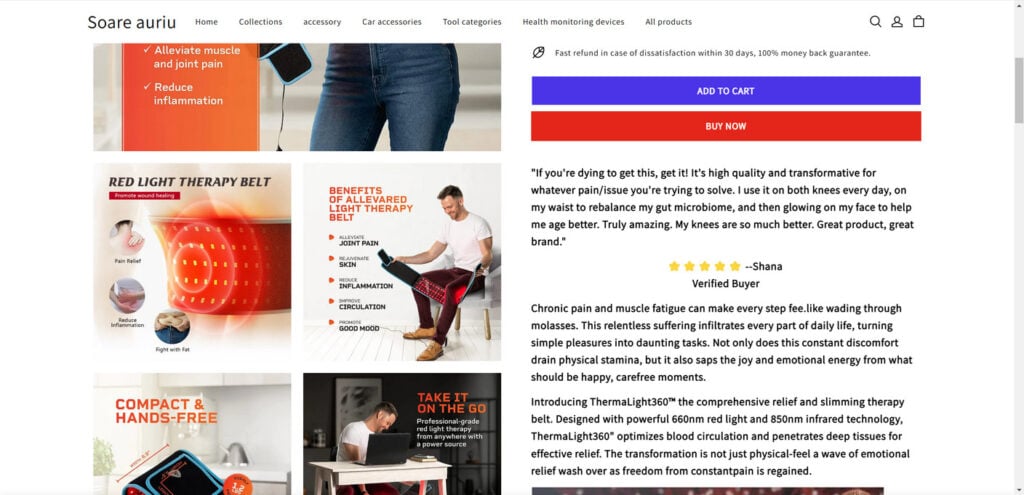
The ThermaLight360 belt uses both infrared (850nm) and red (660nm) wave lengths. It claims these will work together to reduce inflammation, accelerate healing, block pain signals, and energize cells.
In theory, a device using proven infrared and red light therapies could offer real relief for chronic pain. But how exactly does the ThermaLight360 belt deliver on its big promises? Let’s dig into its specific claims.
ThermaLight360’s Claims: What Does This Belt Actually Do?
The ThermaLight360 Pain Relief and Slimming Belt marketing materials make some huge claims about pain relief, recovery, and other benefits users will experience. For example:
- Treats chronic back, knee, neck, joint, and arthritis pain
- Reduces inflammation
- Blocks pain signals
- Accelerates injury recovery
- Restores range of motion
- Minimizes need for medications
- Reverses nerve damage
- Stimulates weight loss
These are very bold claims for one single device! Treating such a wide range of conditions – from joint pain to neuropathy to weight loss – seems unlikely. Especially when these issues have complex, multi-factorial causes.
So what evidence do we have that ThermaLight360 can deliver such incredible results? Let’s analyze a few key claims in more detail.
Claim: Relieves chronic back, knee, and joint pain
Plausible, but limited evidence. Studies do support red light therapy for temporary and minor pain relief. However, chronic pain is complex with many possible causes. It’s improbable a belt alone would resolve serious underlying conditions.
Claim: Minimizes need for medications
Unproven. No research shows red light therapy can replace or reduce medications. Effective chronic pain management typically involves multiple modalities.
Claim: Reverses nerve damage and neuropathy
Dubious. No evidence exists showing red or infrared light reverses permanent nerve damage like neuropathy. Light therapy shows promise for some nerve-related conditions but requires specialized medical devices.
Claim: Stimulates weight loss
Unlikely. A belt cannot directly lead to weight loss without dietary changes. Red light may improve cell metabolism but any minor impact this could have on weight would be negligible.
The Verdict: While infrared and red light therapy have proven benefits, ThermaLight360 makes exaggerated claims not backed by scientific evidence. Legitimate questions remain about its ability to treat serious medical conditions through a wearable belt.
Evaluating the Marketing: Red Flags of a Potential Scam
As we dig into the ThermaLight360 Pain Relief and Slimming Belt marketing, several concerning indicators emerge suggesting exaggerated claims and shady tactics.
No company transparency
The website and materials contain no information about the company behind ThermaLight360. No address, customer service contact, or leadership team details. This lack of transparency is a major red flag.
Unsubstantiated testimonials
ThermaLight360 claims over 10,000 satisfied customers. But testimonials lack key details to verify if they’re real. No last names or purchase dates. And all have a similar miraculous tone that sounds scripted.
Aggressive sales tactics
The website warns of low stock and pushes limited time discounted pricing. Combined with emotional language about living pain-free, this creates a false urgency to buy now before you “miss out.”
No medical oversight
There are no doctor testimonials or medical advisory board attached to ThermaLight360. Most legitimate medical devices undergo rigorous testing and doctor evaluations.
No return policy
Nowhere does the company outline a return policy or money-back guarantee. You would be unable to get a refund if the belt does not work.
Consumer complaint trends
Online consumer complaints reveal similar issues around lack of pain relief, faulty devices, and inability to get a refund. Many report the company was unresponsive to requests.
Price inflation
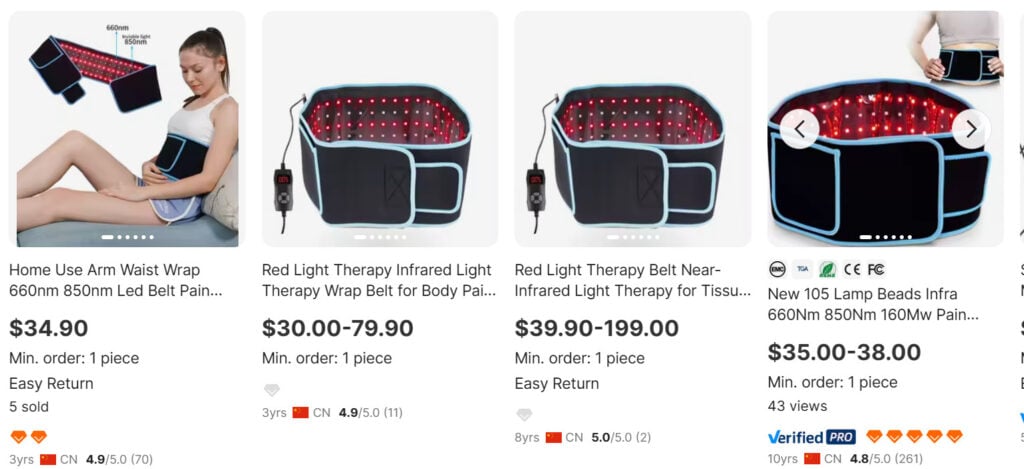
ThermaLight360 costs up to $100, despite no evidence it contains technology more advanced than cheaper light therapy devices. The price appears inflated and not tied to value.
What Customers Are Saying About Their Experiences
Based on online customer reviews, ThermaLight360 fails to deliver the life-changing relief promised. Common complaints include:
- Belt shut off and stopped working shortly after arrival
- No change in level of pain, even after daily use for a month
- Company refused to issue refunds on defective devices
- Caused skin irritation or rashes due to cheap materials
- Uncomfortable to wear for long periods
- No customer service response to problems
Positive reviews are scarce from verifiable buyers. And most describe only minor or temporary relief, not elimination of severe chronic pain.
For the high cost, many felt the belt provided no added benefit over cheaper red light therapy devices.
Warning Signs of a “Miracle Cure” Scam
ThermaLight360 Pain Relief and Slimming Belt exhibits many characteristics of a health product scam. When evaluating if a miracle cure product could be a scam, watch for these key warning signs:
➡️ Claims to treat a wide range of unrelated conditions
➡️ Emotional promises of life-changing results
➡️ Vague claims backed by limited scientific proof
➡️ No doctor testimonials or clinical data
➡️ Aggressive sales tactics and pressure to buy
➡️ No indication of who owns or sells the product
➡️ Few verifiable customer reviews and testimonials
➡️ No return policy or satisfaction guarantee
➡️ Higher cost than similar products
➡️ Consumer complaints of ineffective product
If a product displays these red flags, proceed with extreme caution before buying. Reputable companies will be transparent about their practices, clinical evidence, and customer service policies.
What to Do If You Buy ThermaLight360 Pain Relief and Slimming Belt
If you did purchase ThermaLight360 and found it to be ineffective, all is not lost. Here are some tips on what to do next:
- Call your credit card company. Report the issue and request to dispute the charge for a refund. Provide copies of complaints and evidence the product did not work as advertised.
- Report complaints to the FTC and BBB to warn others of potential fraud. The more claims that are logged, the more likely authorities will take action.
- Leave online reviews detailing your experience to inform others. This can prevent someone else from falling for the same scam.
- Seek a legitimate second opinion from your doctor. Discuss alternative pain management options that are clinically-proven.
- Avoid “miracle cure” claims in the future and watch for the red flag warning signs outlined above. Consulting your doctor before buying is the best way to avoid scams.
The Bottom Line: Should You Buy ThermaLight360 Pain Relief and Slimming Belt?
Based on the lack of transparency, exaggerated claims, ineffective user experiences and other warning signs, ThermaLight360 shows many indications of being a scam.
While infrared and red light therapy show promise for certain conditions, ThermaLight360 makes unsupported claims about pain relief and medical benefits. There is no credible evidence this specific belt device can treat chronic pain, neuropathy, or other complex conditions as advertised.
The lack of transparency around the company, lack of medical oversight, and flood of negative customer reviews are very concerning. The exaggerated marketing claims appears aimed at exploiting those suffering in pain to make sales.
At the very least, proceed with extreme caution before purchasing ThermaLight360. Consult with your doctor first about proven medical therapies and pain management options.
For those struggling with chronic pain, we understand the desire for a simple, fast solution. However, lasting relief requires customized treatment plans, lifestyle changes, and often a combination of therapies. There are no magic cures or quick fixes when it comes to complex medical conditions.
Approach products that sound too good to be true with healthy skepticism. Especially when a company uses emotional appeals and pressure sales tactics with no clinical proof. Your hard-earned money is better spent on treatments verified by medical professionals, not impulse purchases that fail to get results.
We hope this unbiased review of ThermaLight360 provides the facts needed to make an informed decision. Stay empowered against scams promoting medical misinformation. With the right guidance, those living with pain can find real solutions and start reclaiming their lives.
This article is for informational purposes only and should not be relied upon for financial or business decisions. We identify potential scams using research, user experiences, and expert analysis. However, all claims should be independently verified. Mistakes may occur, and legitimate products could be flagged. We strive for accuracy but make no warranties regarding the completeness or reliability of the information.

If you are the owner of the website or product in question and wish to offer clarifications regarding your business or website, please reach out to us via our Contact form.

Join the discussion
0 commentsShare your experience or ask a question about this article.
Discussion
Start the conversation
Have a question or something useful to share? Add the first comment.