

ThinkPad Power Manager is a software utility developed by Lenovo specifically for their ThinkPad line of laptops. It is designed to provide users with greater control over their laptop’s power settings, allowing them to optimize performance, extend battery life, and manage power consumption. In this article, we will explore what ThinkPad Power Manager is, its features and benefits, and whether or not you should consider removing it from your device.
What is ThinkPad Power Manager?
ThinkPad Power Manager is a software application that comes pre-installed on Lenovo ThinkPad laptops. It provides users with a range of power management options and settings to optimize their laptop’s performance and battery life. The software allows users to customize power profiles, adjust screen brightness, manage sleep and hibernation settings, and monitor power usage.
ThinkPad Power Manager offers several key features:
- Power Plan Customization: Users can create and customize power plans based on their specific needs. This allows them to balance performance and power consumption according to their preferences.
- Battery Health Management: The software includes features to help users extend the lifespan of their laptop’s battery. It provides options to limit battery charging to a certain percentage, preventing overcharging and reducing wear on the battery.
- Power Usage Monitoring: ThinkPad Power Manager allows users to monitor their laptop’s power usage in real-time. This can help identify power-hungry applications and optimize power settings accordingly.
- Power Bridge Technology: Some ThinkPad models come with dual batteries, and the Power Manager software enables users to manage and switch between the two batteries seamlessly.
Should I Remove ThinkPad Power Manager?
While ThinkPad Power Manager offers a range of useful features, there may be instances where you might consider removing it from your device. Here are a few scenarios where removing ThinkPad Power Manager could be beneficial:
1. Limited Power Management Needs
If you primarily use your ThinkPad laptop in a fixed location where power outlets are readily available, and you don’t require extensive power management customization, you may not need ThinkPad Power Manager. Windows operating systems already provide basic power management options that may be sufficient for your needs.
2. Performance Optimization
In some cases, removing ThinkPad Power Manager can help improve system performance. The software runs in the background and consumes system resources. If you are experiencing performance issues or want to free up system resources, removing the Power Manager may be a viable option.
3. Compatibility Issues
In rare cases, ThinkPad Power Manager may conflict with other software or drivers on your system, leading to compatibility issues. If you encounter any problems or conflicts related to power management, removing the Power Manager could help resolve them.
4. Battery Life Optimization
If you are primarily concerned with maximizing your laptop’s battery life, removing ThinkPad Power Manager may not be necessary. The software offers features like battery health management and power usage monitoring, which can help extend battery life and optimize power consumption.
Ultimately, the decision to remove ThinkPad Power Manager depends on your specific needs and preferences. If you find that the software is not providing any significant benefits or is causing issues on your system, you may consider removing it.
How to Remove ThinkPad Power Manager
If you have decided to remove ThinkPad Power Manager from your ThinkPad laptop, there are a few methods you can use:
1. Uninstall via Control Panel
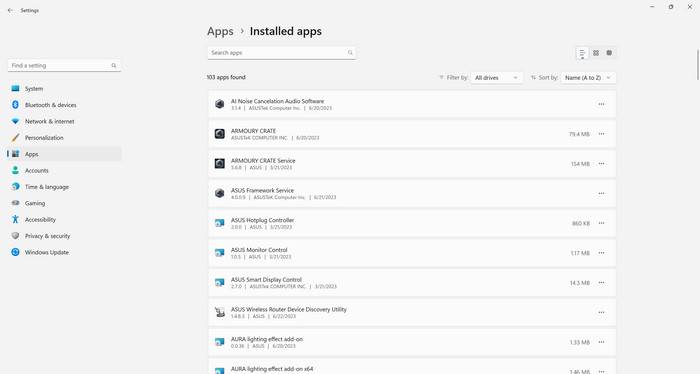
The most straightforward method is to uninstall the software through the Control Panel on your Windows device. Here’s how:
- Open the Control Panel by searching for it in the Windows search bar.
- Click on “Programs” or “Programs and Features” (depending on your Windows version).
- Locate “ThinkPad Power Manager” in the list of installed programs.
- Click on it and select “Uninstall” or “Remove.”
- Follow the on-screen prompts to complete the uninstallation process.
2. Use Uninstall Tools
If you prefer a more thorough removal process, you can use uninstall tools like Revo Uninstaller Free. These tools can help remove any leftover files or registry entries associated with the software, ensuring a complete uninstallation.
Conclusion
ThinkPad Power Manager is a powerful utility that offers users greater control over their ThinkPad laptop’s power settings. It provides features for power plan customization, battery health management, power usage monitoring, and more. However, there may be instances where removing ThinkPad Power Manager is beneficial, such as limited power management needs or performance optimization.
If you decide to remove ThinkPad Power Manager, you can do so through the Control Panel or by using uninstall tools like Revo Uninstaller Free. Remember to consider your specific needs and preferences before making a decision.

Join the discussion
0 commentsShare your experience or ask a question about this article.
Discussion
Start the conversation
Have a question or something useful to share? Add the first comment.