

When it comes to computer security, users often find themselves faced with the dilemma of whether to keep or remove certain software or features. One such feature that often raises questions is the ThinkVantage Active Protection System (APS) found on Lenovo ThinkPad laptops. In this article, we will explore what the ThinkVantage APS is, how it works, and whether or not you should consider removing it from your device.
What is ThinkVantage Active Protection System?
The ThinkVantage Active Protection System (APS) is a hardware-based technology developed by Lenovo specifically for their ThinkPad line of laptops. It is designed to protect the laptop’s hard drive from damage caused by sudden movements or drops. The APS utilizes an accelerometer to detect any sudden changes in the laptop’s orientation and quickly responds by parking the hard drive’s read/write heads to prevent them from crashing into the spinning platters.
ThinkVantage APS is an additional layer of protection that works alongside the laptop’s built-in shock-mounted hard drive and other security features. It aims to minimize the risk of data loss and hardware damage in case of accidental drops or impacts.
How Does ThinkVantage Active Protection System Work?
The ThinkVantage APS relies on a built-in accelerometer that continuously monitors the laptop’s movements and orientation. When it detects a sudden movement or change in position, it sends a signal to the APS software, which then instructs the hard drive to park its read/write heads. This action prevents the heads from making contact with the spinning platters, reducing the risk of data loss or physical damage to the drive.
The APS software also provides users with a graphical interface that allows them to customize the sensitivity of the system and adjust other settings according to their preferences. This level of customization ensures that the APS can adapt to different usage scenarios and environments.
Should I Remove ThinkVantage Active Protection System?
Now that we understand what the ThinkVantage Active Protection System is and how it works, the question remains: should you remove it from your Lenovo ThinkPad laptop?
The answer depends on your specific needs and usage patterns. Here are some factors to consider:
1. Protection Against Accidental Drops
If you frequently use your laptop in environments where accidental drops or impacts are likely, such as during travel or in a busy workplace, the ThinkVantage APS can provide an additional layer of protection for your hard drive. Removing it may increase the risk of data loss or hardware damage in such scenarios.
2. Performance Impact
While the ThinkVantage APS is designed to work seamlessly in the background, it does utilize system resources to monitor the laptop’s movements. In some cases, this may result in a slight performance impact, especially on older or lower-end laptops. If you prioritize performance over the added protection, you may consider removing the APS.
3. Compatibility with Other Security Software
Before removing the ThinkVantage APS, it is important to ensure that it does not conflict with any other security software or features you have installed on your laptop. Some antivirus or disk encryption software may rely on the APS to function properly. Check with the software vendors or consult the user manuals to determine if there are any compatibility issues.
4. Personal Preference
Ultimately, the decision to remove or keep the ThinkVantage APS comes down to personal preference. If you feel that the added protection outweighs any potential drawbacks, it is recommended to keep the APS enabled. However, if you find that it does not align with your specific needs or if you prefer to rely on other security measures, you can consider removing it.
How to Remove ThinkVantage Active Protection System?
If you have decided to remove the ThinkVantage APS from your Lenovo ThinkPad laptop, there are a few methods you can use:
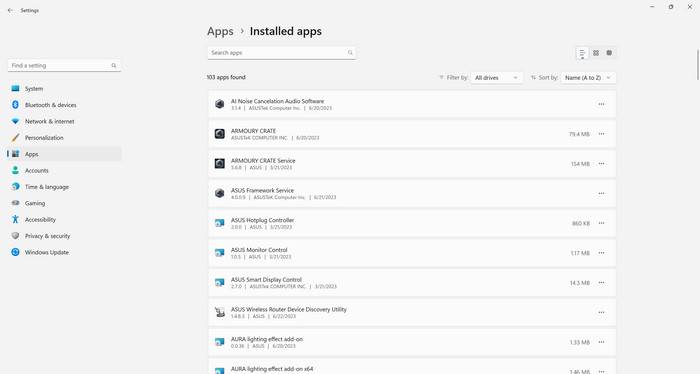
- Uninstalling through the Control Panel: You can remove the APS software by going to the Control Panel, selecting “Programs and Features,” locating the ThinkVantage Active Protection System, and choosing to uninstall it.
- Using a third-party uninstaller: Third-party uninstaller tools, such as Revo Uninstaller Free, can help ensure a complete removal of the APS and any associated files or registry entries.
It is important to note that removing the ThinkVantage APS will disable the active protection feature, and your laptop’s hard drive will no longer have the same level of protection against sudden movements or drops. Consider this before proceeding with the removal.
Conclusion
The ThinkVantage Active Protection System is a hardware-based technology developed by Lenovo to protect the hard drives of their ThinkPad laptops from damage caused by sudden movements or drops. While it provides an additional layer of protection, the decision to remove it depends on your specific needs and preferences.
If you frequently use your laptop in environments where accidental drops are likely, keeping the ThinkVantage APS enabled can help minimize the risk of data loss or hardware damage. However, if you prioritize performance or prefer to rely on other security measures, removing the APS may be a viable option.
Before removing the ThinkVantage APS, ensure compatibility with other security software and consider using a third-party uninstaller tool for a complete removal. Ultimately, the choice is yours, and it is important to weigh the benefits and drawbacks before making a decision.

Join the discussion
0 commentsShare your experience or ask a question about this article.
Discussion
Start the conversation
Have a question or something useful to share? Add the first comment.